





The Secret Within the Fiber
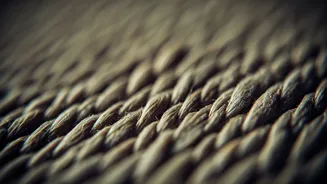
At first touch, some new hemp garments can feel sturdy, perhaps even a bit crisp. This isn't a flaw; it's a sign of its incredible strength. Hemp fibers, derived from the stalk of the Cannabis sativa plant, are some of the longest and most durable in the natural
world. Unlike cotton fibers, which are short and can break or pill over time, hemp fibers are long and resilient. Think of it like comparing a short, brittle twig to a long, flexible branch. This inherent strength means hemp clothing doesn't just last; it evolves. It has been used for centuries to make durable goods like rope and sails, a testament to its robust nature.
The Science of Softness
The magic of hemp lies in how it responds to use. Every time you wash and wear a hemp garment, a remarkable transformation occurs. The friction and water work to relax the long fibers, breaking them in rather than breaking them down. This process is similar to breaking in a sturdy pair of leather shoes; the initial stiffness gives way to a comfortable, custom fit. With each wash cycle, the fabric sheds its initial rigidity and becomes progressively softer and more pliable, moulding to your body without losing its structural integrity. This unique quality means that your favorite hemp T-shirt could feel even better in its fifth year than it did in its first.
A Natural Air Conditioner
Hemp’s benefits extend far beyond its evolving softness. The fibers have a hollow core, a structural feature that makes the fabric exceptionally breathable. This allows air to circulate freely, which helps regulate your body temperature by keeping you cool on hot days. But it’s not just about airflow. Hemp is also highly effective at wicking moisture away from your skin. It can absorb a significant amount of moisture without feeling damp, then releases it into the air. This process has a cooling effect and prevents the clammy feeling that other fabrics, like cotton, can cause in humid weather. Many also appreciate that its antimicrobial properties help keep odors at bay.
Hemp vs. The Competition
When placed alongside cotton, one of the most common natural fibers, hemp’s advantages become even clearer. Cotton is known for its initial softness, but its shorter fibers are prone to breaking down with repeated washing, leading to thinning, holes, and pilling. Hemp, on the other hand, is estimated to be up to three times stronger than cotton. It holds its shape, resists stretching, and becomes more comfortable over time. From an environmental perspective, hemp cultivation typically requires significantly less water and land than cotton and can often be grown without pesticides, making it a more sustainable choice for the eco-conscious consumer.
How to Care for Your Comfort
To make the most of hemp’s unique properties, a little care goes a long way. While the fabric is tough, gentle treatment will help it soften beautifully. Wash your hemp items in cool or warm water with a mild, earth-friendly detergent. It is best to avoid harsh chemicals, bleach, and fabric softeners, as these can damage the natural fibers or coat them, reducing their breathability. You can tumble dry on a low heat setting, which can even help accelerate the softening process, but line drying is also a great option as hemp dries quickly. If you notice any creasing, ironing the garment while it’s still slightly damp will easily smooth it out.