






The Magical Glow: What is Bioluminescence?
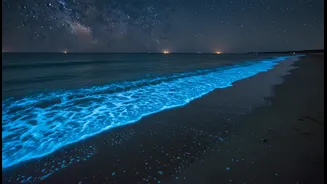
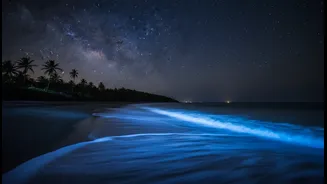
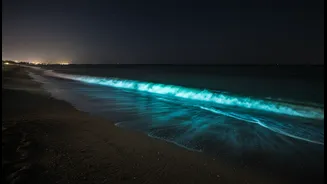
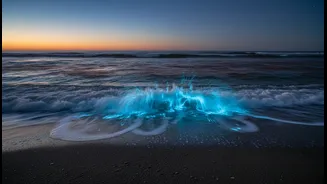
The enchanting light show you see in the waves is called bioluminescence. It's a chemical reaction created by living organisms, most commonly a type of plankton called dinoflagellates. In India, this phenomenon, often called 'neelathamara' or sea sparkle,
has been witnessed along the coasts of Maharashtra, Karnataka, and the Andaman Islands. When the water is disturbed by waves, a boat, or even your hand, these tiny organisms flash a brilliant blue-green light. This flash is thought to be a defence mechanism, startling predators. Generally, the dinoflagellates responsible for this beautiful glow, like Noctiluca scintillans, are considered non-toxic to humans, though they can sometimes cause minor skin irritation in very dense blooms.
The Dangerous Impostor: Toxic Algal Blooms
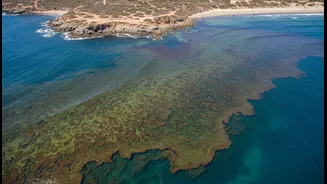
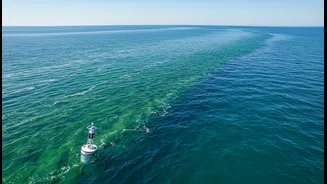
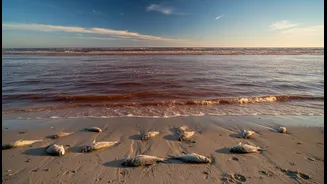
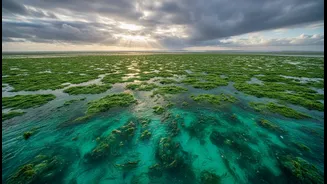
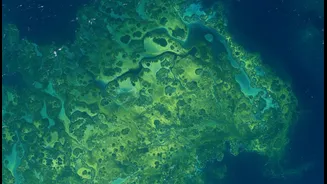
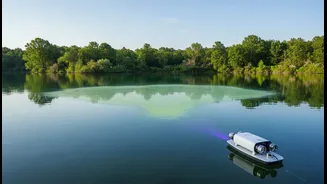
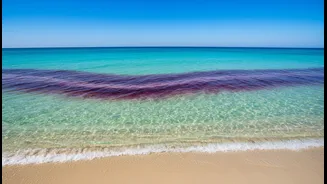
Harmful Algal Blooms (HABs), often referred to as 'red tides', are a different story. These occur when certain other types of algae grow out of control. While some red tides are caused by the very same dinoflagellates that create the blue glow at night, other blooms are made of algae that produce potent toxins. These toxins can be dangerous to marine life, causing mass fish kills. They can also be harmful to humans, leading to respiratory problems from sea spray, skin irritation, or even severe illness if contaminated seafood is consumed. It’s crucial to remember that not all blooms that discolour the water are toxic, but caution is always the best approach.
Look at the Colour and Time of Day
This is the most reliable way to tell them apart. True bioluminescence is a light emitted in the water. It appears as flashes of electric blue or green and is only visible in the dark. The darker the night, the more brilliant the glow appears. In contrast, a harmful algal bloom is a discolouration of the water itself, visible during the day. The water might look like it's been stained red, brown, yellow, or a murky green, sometimes resembling spilled paint or thick scum on the surface. So, if you see an eerie blue glow in the waves at night, it's likely bioluminescence. If you see discoloured, scummy water during the day, you should be wary.
Trust Your Senses: The Smell Test
Your nose can also provide important clues. The water during a bioluminescent event typically has a normal, fresh sea smell. A Harmful Algal Bloom, on the other hand, can often produce a foul odour, especially as the algae begin to die and decay. The smell is often described as similar to rotten eggs or decaying plants. If the air by the water has a noticeably unpleasant or sewage-like smell, it's a strong indicator that you might be dealing with a potentially toxic bloom and should keep your distance.
Observe the Surrounding Environment
Take a look at the local wildlife for warning signs. A healthy bioluminescent event will have a normal, thriving ecosystem around it. Conversely, a major red flag for a toxic algal bloom is the presence of dead or distressed marine life. If you see dead fish washed up on the shore, birds that seem sick or are having seizures, or a general lack of healthy marine activity, it is a powerful warning sign. These toxins work their way up the food chain, affecting everything from small fish to the birds and mammals that eat them. In these situations, it is critical to keep yourself, children, and pets out of the water.