





Decoding Zone 2 Training
First, let's break down the jargon. Zone 2 training simply refers to exercising at a light, steady intensity, typically around 60-70% of your maximum heart rate. This is often called your aerobic or endurance base zone. Think of it as a 'conversational
pace'; you're working, but you should be able to hold a full conversation without gasping for air. If you can sing, you're going too easy. If you can only manage one-word answers, you're pushing too hard into a higher zone. Many active people accidentally spend their time in a moderate-to-hard 'grey zone', which is too intense for building a proper aerobic base but not hard enough for high-intensity gains, leading to plateaus and burnout. Zone 2 is the sweet spot for building a foundation with minimal fatigue.
The Science of Smarter Recovery
This is where it gets interesting for anyone who feels perpetually sore from their workouts. High-intensity exercise is great, but it creates metabolic byproducts and muscle breakdown. Zone 2 training acts as a powerful form of active recovery. The steady, low-intensity effort increases blood flow to your muscles, helping to flush out metabolic waste and deliver the nutrients needed for repair. The magic happens at a cellular level. Zone 2 training stimulates the growth and efficiency of your mitochondria—the powerhouses of your cells. More efficient mitochondria are better at clearing lactate, a substance that contributes to fatigue during intense efforts. This means you can handle harder workouts when you do them and bounce back faster afterwards. It gives you more than it takes, improving your overall fitness without adding significant stress to your body.
Why the Rower Is Your Best Friend
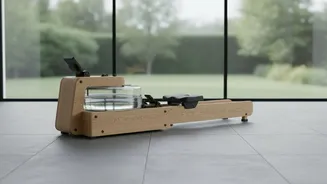
While you can do Zone 2 training with any cardio, the rowing machine is a particularly effective tool, especially for urban gym members. Firstly, it’s a full-body workout. A single rowing stroke engages around 85% of your muscles, working your legs, core, and upper body simultaneously. This makes it incredibly efficient. Secondly, it's low-impact. Unlike running, rowing puts minimal stress on your joints, making it an ideal choice for a recovery day when your body is already feeling the strain from lifting or high-impact classes. This reduces the risk of overuse injuries that can come from too much high-intensity work. The smooth, controlled nature of rowing also allows you to easily maintain the consistent heart rate required for a true Zone 2 session.
Your Zone 2 Rowing Blueprint
Ready to try it? Here’s a simple plan. First, estimate your maximum heart rate (MHR) with the basic formula: 220 minus your age. Your Zone 2 range is 60-70% of that number. For example, a 30-year-old has an estimated MHR of 190, making their Zone 2 range about 114-133 beats per minute. A heart rate monitor is the best way to track this. Aim for two to three Zone 2 sessions per week. Start with sessions of 30-45 minutes and gradually increase the duration as your fitness improves. Don't focus on speed or power. The goal is to keep your heart rate steady within the zone. It will feel surprisingly easy, and that's the point. This low-intensity work builds your aerobic engine, allowing you to go harder and recover faster during the intense workouts you love.