





When The Shine Fades
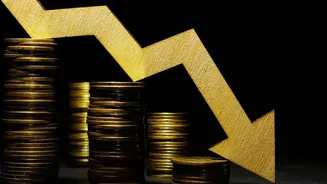
Gold is often considered a reliable hedge against economic turmoil, but its price is not a one-way street. While it has delivered impressive long-term gains, the journey has included significant and prolonged downturns. Investors who bought gold at its peak
in early 1980 had to wait years just to break even as prices slid for much of the decade. A similar story unfolded after 2011, when gold entered a multi-year bear market, falling by 28% in 2013 alone. The data reveals a clear pattern: gold has fallen in price in roughly one out of every three years since the 1970s. These periods of negative returns are not blips on the radar; they are a fundamental part of gold's investment profile.
The Interest Rate Headwind
One of the most powerful forces working against the price of gold is rising interest rates. Gold has a key disadvantage compared to other assets like bonds or even savings accounts: it pays no income. When central banks raise interest rates to fight inflation, these income-generating investments become much more attractive. Investors are drawn to the guaranteed returns offered by government bonds, leading them to sell non-yielding assets like gold. This 'opportunity cost' — the potential income you miss out on by holding gold — becomes a major headwind for the precious metal. The aggressive rate hikes by the US Federal Reserve in the early 1980s are a classic example, credited with ending a massive gold bull market and ushering in a long period of poor performance.
A Strong Dollar Dulls The Glimmer
Because gold is priced in US dollars on the global market, the strength of the dollar has a direct, inverse impact on its price. When the dollar strengthens against other currencies, it takes fewer dollars to buy an ounce of gold, causing its price to fall. For international investors, a stronger dollar makes gold more expensive in their local currency, which can dampen demand. This dynamic often works in tandem with interest rates. Higher US interest rates tend to attract foreign capital, strengthening the dollar and creating a double-barreled challenge for gold prices. It's a key reason why a hawkish US Federal Reserve is often bad news for gold investors worldwide.
Rethinking Gold's Role In Your Portfolio
Given these realities, does gold still deserve a place in a modern investment portfolio? The answer is yes, but its role needs to be properly understood. Gold is not a reliable engine for rapid growth, and it is not a perfect hedge against every economic condition. Its true value lies in its potential for diversification. Gold's price often moves independently of stocks and bonds. During certain crises, like the 2008 financial crisis or the COVID-19 pandemic, gold has performed well when other assets have faltered. Financial advisors often suggest a modest allocation to gold, typically 5% to 10% of a portfolio, not to chase high returns but to provide a cushion during periods of extreme market stress. This approach treats gold as a form of financial insurance rather than a primary tool for wealth creation.