



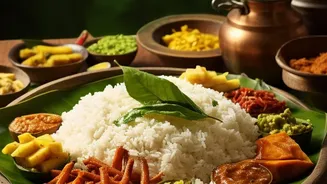
The Foundation of Fasting
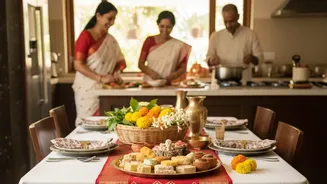
The heart of Navratri cooking lies in its 'Sattvic' ingredients, believed to purify the body and mind. Regular grains like wheat and rice are set aside, making way for alternatives like kuttu ka atta (buckwheat flour), singhare ka atta (water chestnut
flour), and rajgira ka atta (amaranth flour). Barnyard millet, known as 'samak ke chawal', becomes the go-to substitute for rice. The ubiquitous table salt is replaced by sendha namak (rock salt), an unprocessed and pure alternative considered acceptable for fasting. Spices are kept minimal, with staples like cumin, black pepper, and green chillies adding flavour without being overpowering. These ingredients form the simple, wholesome pantry from which a surprising variety of dishes emerge.
Hearty Meals for Sustained Energy
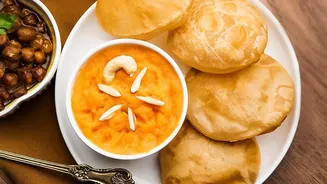
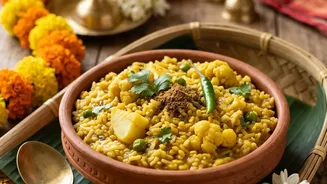
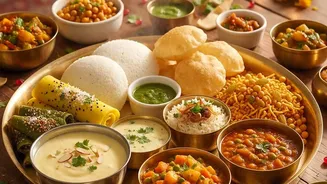
Fasting doesn't mean forgoing filling meals. Sabudana Khichdi is a beloved staple, offering a boost of carbohydrates to keep energy levels high. This dish, made from soaked tapioca pearls, is best when the pearls are soft and separate, not sticky. The secret is in the soaking—just enough water for the pearls to absorb without becoming mushy. It's typically sautéed in ghee with cumin seeds, peanuts, and boiled potatoes. Another classic combination is Kuttu ki Puri served with a simple Aloo ki Sabzi. The puris are made from buckwheat flour, often bound with mashed potatoes to create a soft dough, and then fried until they puff up. The accompanying potato curry is prepared without onion or garlic, using tomatoes and simple spices to create a satisfying and flavourful gravy.
Snacks, Sweets, and Staying Hydrated
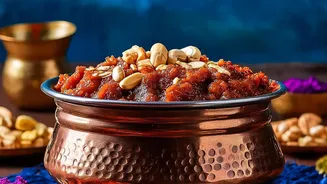
For midday hunger or a light bite, the options are plentiful. Roasted makhana (fox nuts) are a popular choice, simply tossed in a little ghee with a sprinkle of rock salt and black pepper. Fruit chaat, a mix of seasonal fruits like apples, bananas, and pomegranates, offers a refreshing and naturally sweet snack. For those with a sweet tooth, desserts are an integral part of the festive fare. Families often prepare kheer from ingredients like makhana, sabudana, or lauki (bottle gourd), simmering them in milk until thick and creamy. It's also crucial to stay hydrated. Beyond water, fresh fruit juices, buttermilk (chaas), and lassi are commonly consumed to maintain balance and energy throughout the day.
Modern Twists on Timeless Traditions
While traditional recipes remain at the core of Navratri, modern kitchens are seeing creative adaptations. Health-conscious families are using air fryers to make crispy sabudana vadas and puris with minimal oil. Others are experimenting with non-traditional but vrat-friendly ingredients, making dishes like sweet potato tikkis or samak rice dosas. Smoothies made with fasting-approved fruits, yogurt, and a handful of nuts are becoming a popular way to have a quick, nutritious, and filling meal. These innovations don't replace the classics but exist alongside them, reflecting how contemporary families honour age-old customs while embracing convenience and modern health preferences, ensuring the spirit of the festival thrives in every generation.