




The Real Cost of Packet Chaos
Leaving open packets of snacks, grains, and spices to chance is more than just a messy habit. It’s a direct drain on your household budget and a significant contributor to food waste. In India, a substantial amount of food is wasted at the consumer level
every year, and poorly stored items are a major culprit. When a packet of namkeen or a bag of flour is not sealed properly, it is exposed to air and moisture. This leads to staleness, loss of flavour, and potential pest infestations. The result? You throw away food that was perfectly good, and you end up buying replacements sooner than needed. This cycle of waste impacts not only your wallet but also adds to the environmental burden of food production and disposal.
Your Reset Toolkit: Beyond Just Clips
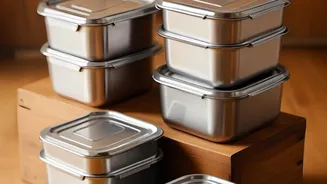
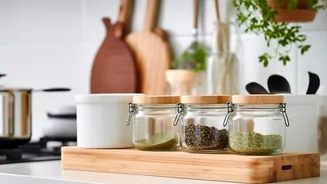
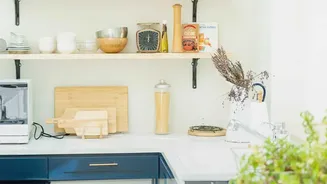
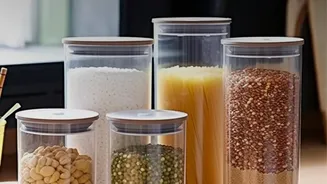
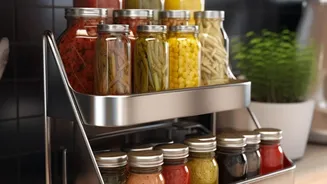
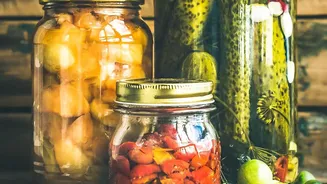
While a few binder clips are a start, a truly effective system requires a more thoughtful approach. The goal is to create an environment where every item is visible, accessible, and protected. Start by investing in a set of clear, airtight containers. Seeing the contents at a glance prevents you from buying duplicates and makes it easy to spot what’s running low. These don't have to be expensive; you can repurpose clean glass jars from jams or pickles for a budget-friendly and sustainable option. Consider using baskets or bins to group similar items together. For example, have one basket for all open snack packets and another for baking supplies. This 'zoning' strategy stops smaller packets from getting lost at the back of a deep cabinet.
The Art of Decanting
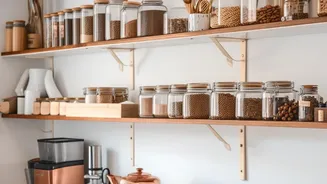
Decanting—the act of transferring food from its original packaging into dedicated storage containers—is a cornerstone of an organised pantry. While it may seem like an extra step, the benefits are immense. Commercial packaging is often bulky and irregularly shaped, taking up valuable shelf space. By moving items like rice, dals, sugar, and spices into uniform, stackable containers, you can dramatically increase your storage capacity. More importantly, airtight containers provide far better protection against humidity and pests, which is crucial in the Indian climate. This preserves the freshness and extends the shelf life of your staples, ensuring that your food tastes better and lasts longer. Don't forget to add labels with the product name and date of purchase.
Implement a 'Use-Me-First' System
One of the best ways to combat waste from open packets is to adopt a 'First-In, First-Out' (FIFO) principle. This simply means using up older items before opening new ones. A simple way to implement this is to create a dedicated 'Use-Me-First' basket in your pantry or on your countertop. Any time you open a new packet of biscuits, chips, or a carton of juice, the previous, partially used one goes into this basket. This makes it the default choice for anyone looking for a quick snack. It prevents the accumulation of multiple open packets of the same item and ensures that nothing gets stale or forgotten. Encouraging family members to check this basket first is a simple behavioural change that can lead to significant savings and less waste.
The 15-Minute Weekly Reset
Consistency is key. Dedicate just 15 minutes once a week—perhaps on a Sunday evening—to reset your kitchen. Start by gathering any open packets scattered around the kitchen and pantry. Quickly check for freshness and decide what needs to be used up soon. Transfer contents from flimsy bags into your airtight containers. For packets that are almost empty, consolidate them or move them to your 'Use-Me-First' basket. Wipe down the shelves where packets may have spilled. Finally, make a quick note of staples that are running low to add to your next grocery list. This short, regular routine prevents clutter from building up, keeps your inventory in check, and transforms your kitchen into a consistently calm and functional space.