






What Exactly Is Ambali?
Before it was a trending hashtag, Ambali was a nourishing staple for farmers in states like Karnataka, Andhra Pradesh, and Telangana. Traditionally, it’s a light, porridge-like drink made by cooking finger millet (ragi) flour with water. The mixture is then
left to ferment, usually overnight, which gives it a distinctive, mildly tangy and earthy flavour. This fermentation process is the key to its magic. Served cool, often with buttermilk, salt, and simple spices, it has long been cherished as a way to hydrate, energise, and beat the intense summer heat. While ragi is the most common base, similar fermented drinks are also made with rice water, known as Neeragaram or Kanjika.
An Ancient Secret to Gut Health
Long before probiotics became a wellness buzzword, drinks like Ambali were quietly supporting gut health in Indian households. The natural fermentation process encourages the growth of beneficial bacteria, which are essential for healthy digestion and a strong immune system. Finger millet itself is a nutritional powerhouse, rich in calcium, iron, and dietary fibre. This combination makes Ambali a gut-friendly, cooling beverage that helps with hydration, aids digestion, and can help regulate blood sugar levels due to its low glycemic index. It delivers these benefits without processed sugars or additives, making it a naturally clean and functional food.
From Humble Staple to Cafe Star
So, how did a farmer's humble meal find its way onto the menus of trendy urban cafes? The shift is driven by a perfect storm of modern consumer desires. Today’s health-conscious city dwellers are actively seeking out natural, clean, and functional foods. There's a growing movement to reconnect with traditional Indian culinary wisdom and ingredients, rejecting overly processed alternatives. Chefs and cafe owners are tapping into this by reimagining heritage recipes for a new audience. Ambali fits perfectly into this narrative: it is gluten-free, plant-based, packed with probiotics, and deeply rooted in Indian culture. It tells a story of authenticity that resonates strongly with a generation tired of generic, mass-produced health fads.
The Modern Ambali Makeover
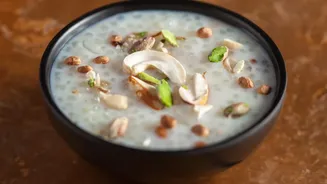
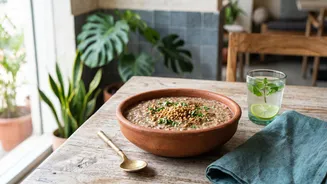
In the contemporary cafe setting, Ambali is shedding its rustic image for a more polished and Instagrammable persona. While specific cafes championing the drink are still emerging, the trend of modernising traditional foods provides a clear blueprint. Instead of a simple glass, modern Ambali is served in stylish terracotta bowls, mason jars, or sleek glassware. The flavour profiles are also getting an upgrade. Cafes are experimenting by blending it with fruits to create smoothie-like consistency, or adding superfood toppings like chia seeds, nuts, and fresh berries. The savoury version might get a gourmet twist with artisanal pickles, infused salts, or a tempering of exotic spices. The presentation is elevated, transforming a simple porridge into a visually appealing dish that looks as good as it tastes.
A Taste of Modern Tradition
The revival of Ambali is more than just a food trend; it's a celebration of culinary heritage. It represents a move towards appreciating the wisdom of our ancestors, who understood the power of simple, natural ingredients and processes like fermentation. By giving this ancient drink a contemporary platform, urban cafes are not only offering a genuinely healthy product but also helping to preserve a piece of India’s rich food culture. They are making tradition accessible and appealing to a new generation, ensuring that these timeless recipes continue to nourish and delight for years to come.