




The New (Old-Fashioned) Garden
What does it mean for gardening to go ‘back to its roots’? It’s a shift away from the post-Green Revolution mindset of high-yield, chemically-dependent hybrids. Instead, a growing number of urban and home gardeners are embracing practices that are gentler
on the earth and, many argue, better for our health. This movement champions the use of indigenous or heirloom seeds (desi beej), rejects synthetic fertilisers and pesticides in favour of natural alternatives, and prioritises soil health as the foundation of a thriving garden. It’s less about forcing nature to produce and more about partnering with it, using techniques that have been passed down through generations but were sidelined in the rush for commercial-scale productivity.
Why Now? A Craving for Authenticity
This revival isn’t just about nostalgia. It's a direct response to modern anxieties. Concerns over pesticide residue on store-bought produce are a major driver, pushing people to take control of their food sources. There’s also the undeniable difference in flavour. A home-grown tomato from an heirloom seed, ripened on the vine, has a depth and complexity that its supermarket counterpart often lacks. Beyond the plate, this trend is a powerful antidote to digital fatigue and urban disconnection. The simple, tactile act of tending to soil and plants offers a tangible connection to the natural world. It’s a meditative practice that slows down time and provides a sense of accomplishment that no screen can replicate. In essence, it’s about seeking authenticity in what we eat and how we live.
Heirloom Seeds: A Taste of History
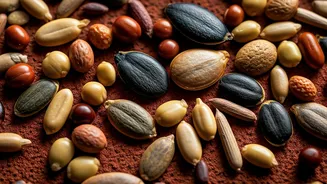
At the heart of this movement are heirloom seeds. Unlike modern hybrid seeds, which are bred for uniformity and transportability, heirlooms are open-pollinated varieties that have been saved and passed down for generations. Each seed tells a story—of a particular region, a specific climate, and a unique flavour profile. Think of the incredible diversity of brinjals in India, from the small green ones used in sambar to the large Bharta baingan. Heirloom seeds preserve this rich biodiversity. When you plant a desi seed, you are not just growing a vegetable; you are cultivating a piece of agricultural heritage. Gardeners are finding that these plants are often more resilient to local pests and climate conditions because they have adapted over centuries, reducing the need for chemical intervention.
Nourishing the Soil, Naturally
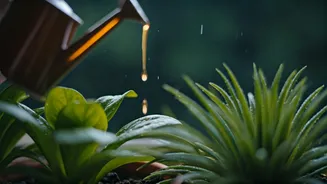
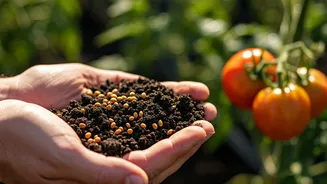
The old-school approach begins with the soil. Instead of quick-fix chemical fertilisers like NPK, the focus is on creating a living, breathing ecosystem. This starts with composting. Kitchen scraps, dry leaves, and garden waste are transformed into ‘black gold’—nutrient-rich compost that improves soil structure and feeds plants slowly and sustainably. Traditional fertilisers like aged cow dung manure (gobar), vermicompost (worm castings), and neem cake (the residue from neem oil extraction) are making a huge comeback. These natural inputs not only provide essential nutrients but also encourage beneficial microbial life in the soil. A healthy, living soil is the best defence against disease and produces stronger, more nutrient-dense plants.
Your Garden's Natural Guardians
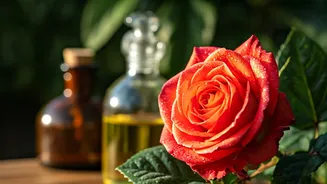
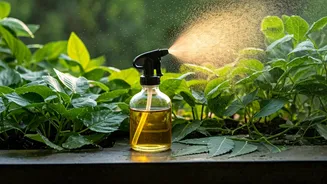
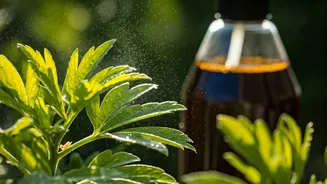
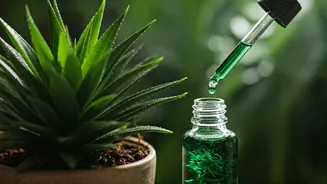
When it comes to pest control, the traditional toolkit is both effective and eco-friendly. The first line of defence is a simple spray made from neem oil, a powerful natural insecticide and fungicide that disrupts pests' life cycles without harming beneficial insects like bees and ladybugs. Another popular home remedy is a pungent spray made from crushed garlic and chillies. Beyond sprays, gardeners are rediscovering the art of companion planting. Planting marigolds (genda) among tomato and chilli plants helps repel nematodes and other pests. Growing aromatic herbs like mint, tulsi, and lemongrass can deter aphids and mosquitoes. This approach creates a balanced ecosystem where nature does most of the work for you, eliminating the need to douse your food in synthetic chemicals.