




How Compression Bags Create Space
Vacuum compression bags are essentially heavy-duty plastic pouches with an airtight seal and a valve. By removing all the air from inside, they dramatically reduce the volume of soft goods. This means bulky items like a fluffy beach towel, a couple of cover-ups,
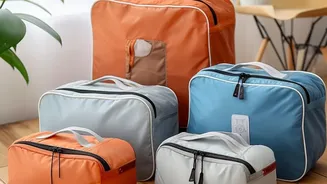
and a few "just in case" outfits can be flattened into a dense, compact panel. For a weekend trip where you want to avoid a checked bag, this space saving can be the difference between a single carry-on and a cumbersome suitcase. There are two main types: bags that require a small, often USB-powered pump or a household vacuum, and travel-specific bags that you simply roll up by hand to expel the air. For a short getaway, the roll-up versions are incredibly convenient and don't require packing an extra gadget.
Your Secret Weapon Against Humidity
A humid, salty environment poses a unique challenge. Dry clothes packed in a regular suitcase can absorb ambient moisture, feeling slightly damp upon arrival. The airtight seal of a compression bag provides a formidable barrier, protecting your fresh clothes from the humidity. This ensures that your evening dinner outfit feels crisp and dry, not like it has already spent a day near the ocean. The protection works both ways. After a day of swimming, you are left with wet swimsuits and damp towels. Storing them for the journey home can make everything else in your luggage smell musty. By placing these wet items in a separate compression bag, you can completely isolate them, protecting your dry, clean clothes. It's an effective way to manage laundry and prevent mildew on a short trip.
The Inevitable Wrinkle Question
While these bags are masters of space and protection, they are not without a drawback: wrinkles. The intense compression can leave clothes, especially those made from natural fibers like cotton and linen, heavily creased. This is a significant consideration for a beach vacation where linen shirts and cotton dresses are staples. However, you can mitigate this. Knits, synthetics, and spandex-blend fabrics tend to fare much better under compression. Carefully folding or rolling items before placing them in the bag can also help reduce sharp creases. A good strategy is to use the bags for items that are less prone to wrinkling, like towels, swimwear, workout gear, and casual t-shirts, while leaving more delicate or easily wrinkled items to be folded normally.
Best Practices for Beach Packing
To get the most out of compression bags for your beach weekend, pack strategically. Use the largest bags for your bulkiest items, like your beach towel and perhaps a light jacket for cool evenings. Use smaller bags to categorize other items, like tops or gym clothes. Don't overfill any single bag, as this can strain the zipper seal and lead to leaks. Remember that while you are reducing volume, the weight remains the same, so keep an eye on airline carry-on weight limits. It's also wise to pack one or two empty bags for the return journey. These will be perfect for quarantining damp swimsuits and any dirty laundry, keeping the rest of your suitcase fresh and organized. Finally, upon arrival, it is a good idea to remove items you know you'll want to wear from the bags to give them time for any wrinkles to relax.