






Why Your Gut Needs Extra Care
The monsoon season, while beautiful, creates the perfect storm for digestive issues. The increased humidity slows down our 'agni' or digestive fire, according to Ayurveda, making it harder to process heavy foods. From a modern scientific perspective,
the damp environment encourages the growth of bacteria and fungi on uncooked food, while waterborne pathogens become a greater risk. This combination can lead to infections, indigestion, bloating, and general discomfort. Your immune system is also working overtime to fight off common colds and fevers, and since a large part of your immunity is linked to your gut, supporting it becomes doubly important. This is why simply eating healthy isn't enough; you need to eat smart for the season.
The Core Principles of Gut-Safe Eating
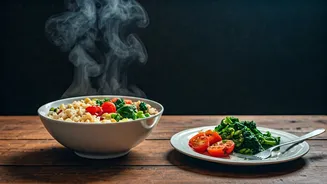
Gut-safe eating isn't about a restrictive diet. It’s a mindful approach focused on supporting your digestive system when it's most vulnerable. The central idea is to favour foods that are easy to digest, nourishing, and protective. This means choosing warm, freshly cooked meals over cold, raw ones. Think light soups and steamed vegetables instead of large, raw salads. Hydration is key, but opt for boiled or filtered water, and warm herbal infusions. Portion control also plays a role; eating smaller, more frequent meals can prevent your digestive system from being overloaded. Finally, hygiene is non-negotiable. Wash all vegetables and fruits thoroughly, especially if you plan to eat them raw (which should be done sparingly).
Foods to Embrace This Monsoon
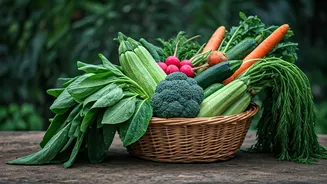
Building a monsoon-friendly plate is easy with India's rich bounty of spices and vegetables. Incorporate digestive aids like ginger, garlic, turmeric (haldi), and black pepper into your cooking. These spices have anti-inflammatory and antibacterial properties. Opt for easily digestible proteins like moong dal, which is light on the stomach. Seasonal vegetables like bottle gourd (lauki), ridge gourd (tori), and pumpkin are excellent choices as they are high in fibre and water content but easy to digest when cooked. For a probiotic boost to support healthy gut bacteria, turn to homemade dahi (yoghurt) and other fermented foods. A simple bowl of khichdi made with moong dal and rice, spiced with turmeric and ginger, is perhaps the ultimate gut-safe comfort food for this season.
What to Limit or Avoid
To keep your gut happy, it's wise to be cautious with certain foods. Leafy green vegetables like spinach and cabbage can be harder to clean and may harbour dirt and germs; if you do eat them, ensure they are blanched or cooked thoroughly. It's best to steer clear of raw salads and cut fruit from street vendors. Deep-fried, oily snacks like pakoras and samosas, while tempting in the rain, are heavy and can tax your digestive system. It's also a good idea to limit intake of very cold foods and drinks, as they can further slow down digestion. While street food is a huge part of our culture, the monsoon is the riskiest time for it. If you crave chaat, try making a hygienic version at home.
Simple Swaps for a Happy Gut
Adopting a gut-safe diet doesn't require a complete overhaul of your life. Small, simple swaps can make a big difference. Instead of a cold soda, sip on a warm tulsi or ginger tea. Instead of a heavy, cream-based curry, opt for a light, soupy dal or a vegetable stew. Choose steamed or roasted snacks over fried ones. Swapping a raw vegetable sandwich for one with a cooked vegetable filling can also be a simple but effective change. The goal is to reduce the load on your digestive system while maximizing nutrition, ensuring you can enjoy the magic of the monsoon without the misery of an upset stomach.