


The Dawn of a New Exploration Era
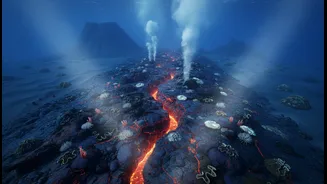
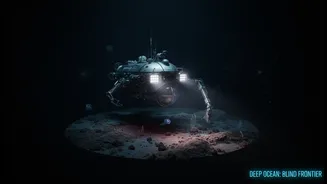
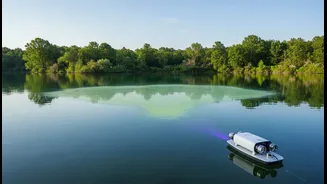
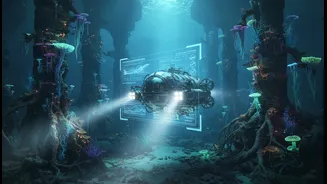
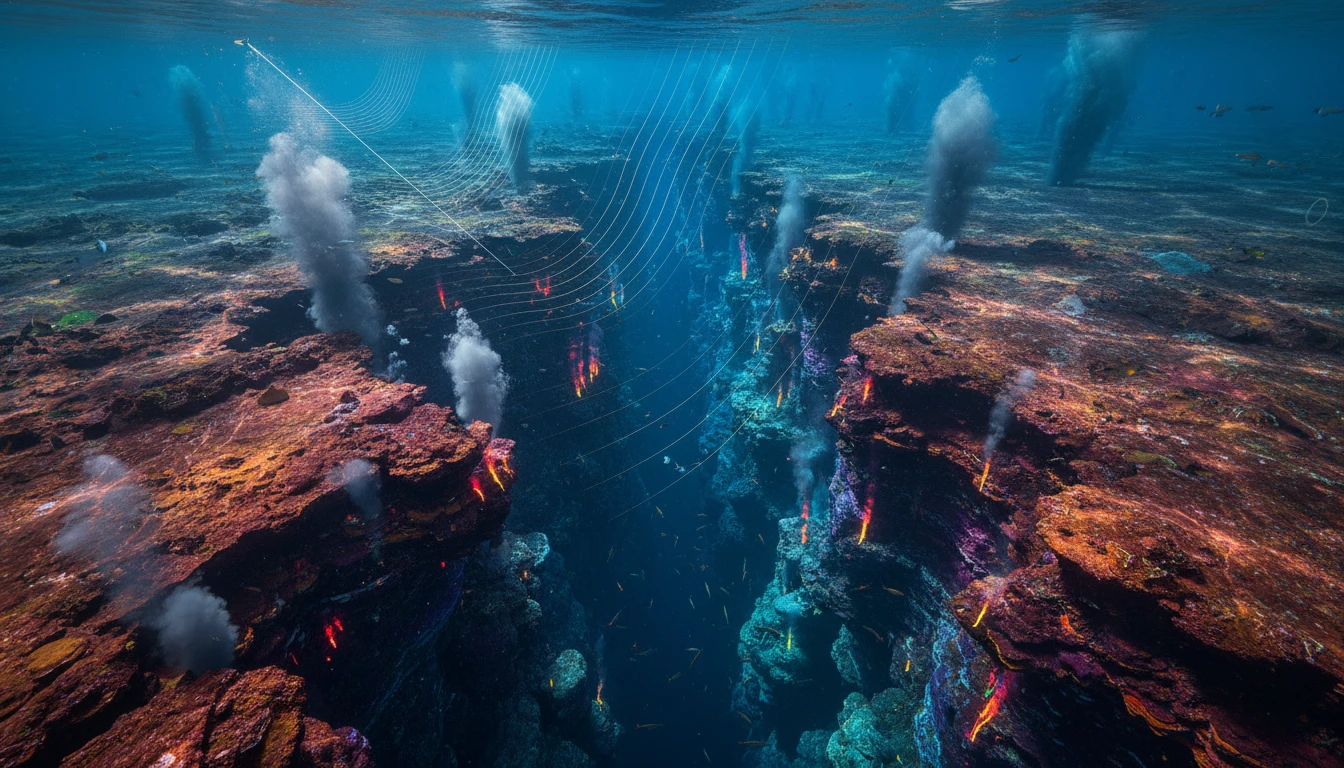
For decades, the deep ocean remained largely inaccessible, shrouded in darkness and immense pressure. Today, a technological revolution is underway. Fleets of autonomous underwater vehicles (AUVs) are now capable of operating for months at a time, diving
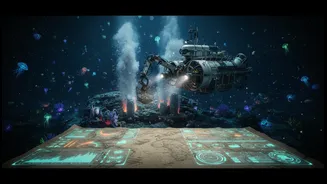
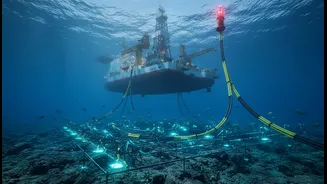
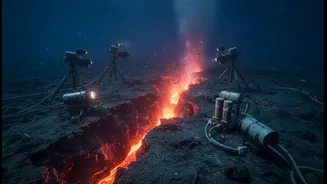
to depths previously unreachable. These robots, like those developed by the Monterey Bay Aquarium Research Institute, are equipped with an astonishing array of sensors. They employ advanced sonar to map the seabed in high resolution, use subsea LiDAR for creating 3D models of underwater structures, and even analyze environmental DNA (eDNA) to get a snapshot of local biodiversity without a single physical sample. This allows scientists to discover and monitor ecosystems with unprecedented detail, from tracking marine predators to visualizing the delicate structures of soft-bodied organisms. In India, institutes like the National Institute of Ocean Technology (NIOT) are developing lower-cost systems that can be deployed from fishing boats, democratizing data collection and expanding our reach into coastal waters.
The Irreplaceable Value of Looking Back
While these new tools provide breathtakingly detailed snapshots, their true scientific power is unlocked only when placed in context. That context comes from long-term ocean records—decades of patient, consistent observations that serve as our planet's baseline. These historical archives, some stretching back to ship logs from the 18th century, document the slow, epochal changes in our oceans. They are the foundation upon which our understanding of climate change is built, showing how the ocean has absorbed about 90% of the excess heat from global warming. Sustained observation programmes have been crucial for detecting trends in ocean temperature, salinity, and biogeochemistry, distinguishing long-term climate signals from natural, short-term variability. Without these records, a sudden marine heatwave or a shift in a fish population would be an isolated event, a mystery. With them, it becomes a data point in a much larger story.
Bridging the Data Divide for a Clearer Future
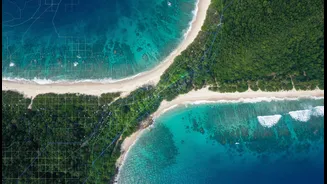
The most powerful insights emerge when the new and the old are combined. Connecting high-resolution data from a modern AUV with a 50-year temperature record for the same location transforms both datasets. The long-term record gives the new data its meaning, while the new data can help refine and fill gaps in the historical archive. This integrated approach is essential for tackling our most pressing challenges. For instance, understanding the full impact of climate change on the Indian Ocean's monsoon patterns, marine ecosystems, and coastal communities requires this synthesis. By pairing new robotic observations of ocean chemistry with historical data, scientists can build more accurate models to predict future changes, from the frequency of extreme weather events to the health of our fisheries.
The Challenges of True Integration
Despite the clear benefits, linking new and old data is not a simple task. It presents significant practical and institutional hurdles. Historical data is often stored in disparate, sometimes non-digital formats, requiring massive efforts to digitize, standardize, and quality-check the records. There are also inconsistencies in how data is collected and managed across different fields and agencies, which can make integration difficult. Furthermore, there is often a bias toward funding the collection of new data over the painstaking work of stewarding and integrating historical archives. Overcoming these challenges requires a concerted effort: creating interagency plans for data sharing, setting priorities for archiving historical information, and investing in the infrastructure and expertise needed to make these vital connections. Platforms like India's 'Digital Ocean' by INCOIS are a step in the right direction, aiming to create a one-stop solution for diverse oceanographic data.