






The Dark Side of Downpours
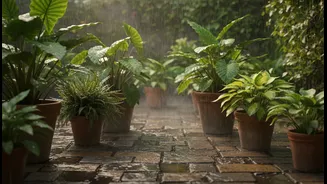
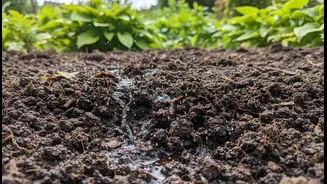
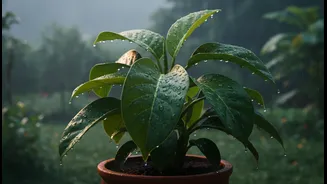
A good shower is a blessing for any garden, but prolonged, heavy rainfall, typical of the Indian monsoon, can spell trouble. The primary danger is waterlogged soil. When the ground is saturated, the air pockets that roots need to breathe are filled with
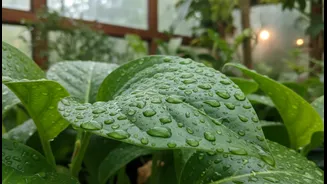
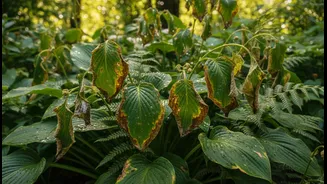
water. This lack of oxygen can lead to root rot, a condition where roots decay, become soft and mushy, and can no longer absorb water or nutrients. A plant with root rot may ironically look wilted, even when the soil is wet. Beyond the roots, constant moisture on leaves creates a perfect breeding ground for fungal diseases. Conditions like powdery mildew, leaf spot, and blight thrive in the warm, humid environment of the monsoon, causing spots, wilting, and decay on foliage. Heavy rain can also physically damage delicate plants and wash away essential nutrients from the soil.
Which Plants Are Most at Risk?
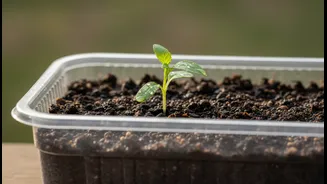
Not all plants suffer equally. Succulents and cacti, which are adapted to arid conditions, are extremely vulnerable to overwatering and will rot quickly in soggy soil. Vegetables like tomatoes and chillies are prone to fungal diseases like blight when their leaves stay wet. Plants with soft, fleshy leaves or dense foliage that traps moisture are also at high risk. Many ornamental flowers and newly planted seedlings with underdeveloped root systems can be easily overwhelmed by incessant rain. It's crucial to identify these vulnerable members of your garden, as they will need the most attention and protection during the wet season.
Simple, Low-Fuss Protection
Protecting your plants doesn't require elaborate or expensive setups. The simplest solution for potted plants is often just to move them. If you have a covered balcony, porch, or a spot under a wide eave, relocate your most vulnerable pots there during periods of heavy rain. For plants in the ground or larger pots, a makeshift shelter can work wonders. An old umbrella, a plastic sheet or tarp draped over a simple frame of stakes, or even overturned buckets for smaller plants can provide a temporary shield. The key is to keep the majority of the rain off the foliage and to prevent the soil from becoming completely saturated, while still allowing for air circulation.
The Foundation of Good Drainage
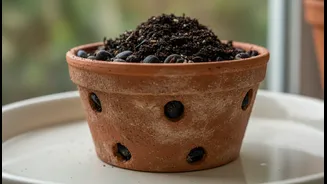
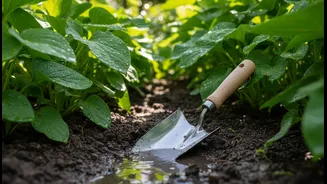
The best defense starts before the rain even falls. Ensuring your pots and garden beds have excellent drainage is non-negotiable. For potted plants, make sure the drainage holes are clear and not blocked. Elevating pots by placing them on bricks or pot feet allows water to escape freely and prevents them from sitting in a puddle. If your garden soil is heavy clay, amending it with organic matter like compost can improve its structure and drainage. For very problematic areas, creating raised beds can be a game-changer, lifting the root zone above the waterlogged ground.
Smart Care During the Monsoon
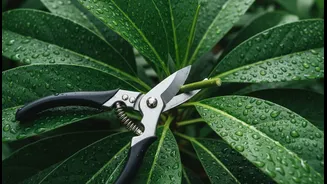
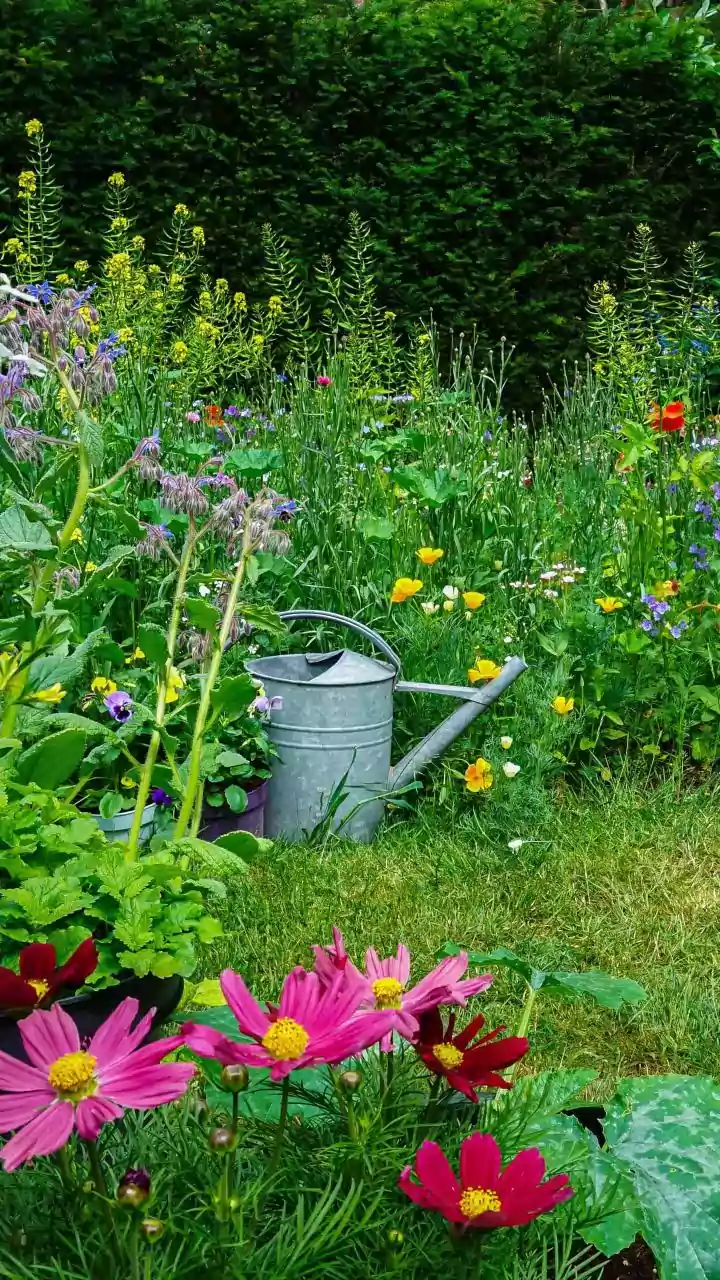
During the rainy season, put your watering can away. It’s essential to check the soil before even considering watering. Stick a finger an inch or two into the soil; if it feels damp, your plant does not need more water. Over-enthusiastic watering on top of rainfall is a fast track to root rot. Also, ease up on fertilizing. Heavy rains can wash away nutrients, but applying fertilizer to already stressed, waterlogged plants can cause further damage. Wait for a break in the weather. Finally, keep your garden tidy. Remove any fallen leaves, dead flowers, or debris, as this wet material can harbor pests and encourage fungal growth.