



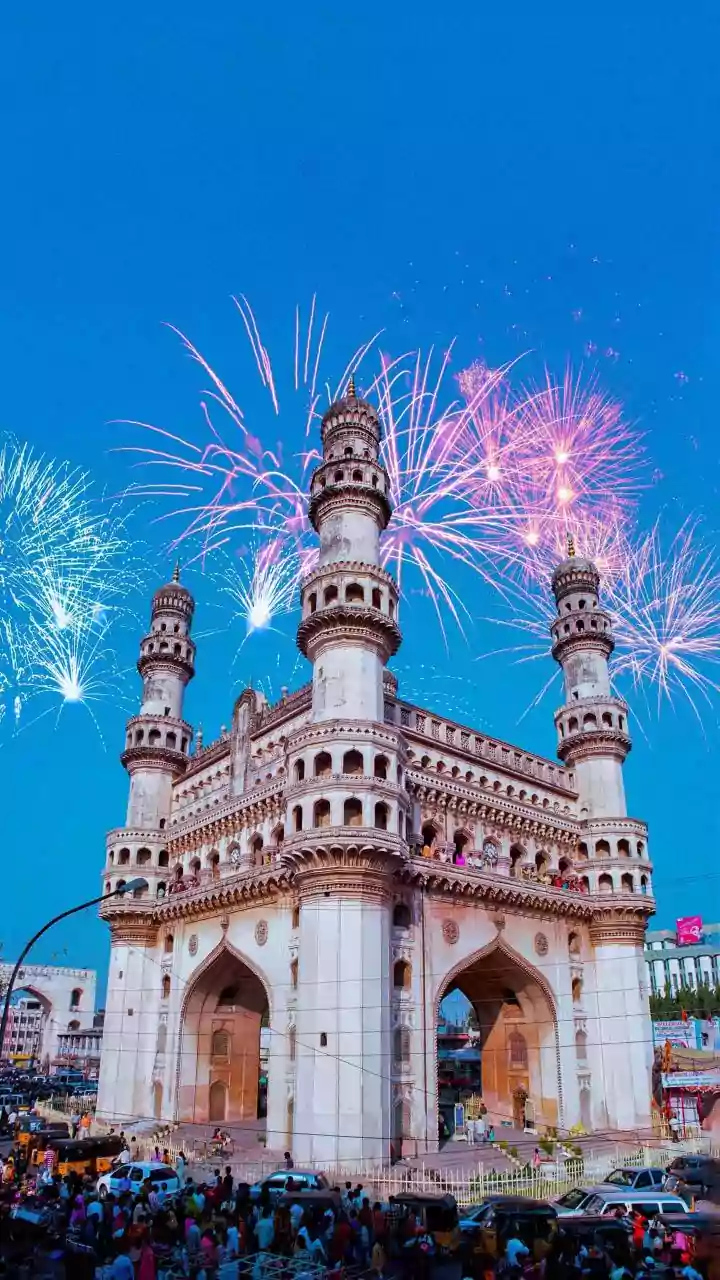




The Roar of the Crowd: The Experience Economy
The allure of the 'ticket'—be it for a music concert, a sporting event, or a film—is stronger than ever. This is the heart of the 'experience economy', a trend that has seen Indians increasingly prioritise spending on creating memories over acquiring
things. In 2025, India hosted over 34,000 live events, with the market crossing the $1.4 billion mark and projected to grow nearly 20% annually. This isn't just about big international artist tours, though they generate massive economic impact; it's a fundamental shift in behaviour, particularly among younger consumers. Reports from the first half of 2026 show that travel and entertainment are among the strongest discretionary spending categories, with significant growth coming from Tier 2 and Tier 3 cities. This shift suggests that for many, the value of a shared, ephemeral moment outweighs that of a tangible product. The purchase of a ticket is an investment in social connection, emotional intensity, and a story to tell later. Even with challenges like infrastructure and crowd management, the demand for live experiences continues to surge, proving that the desire to be part of a collective event is a powerful force.
The Quiet Power of the Page: The Knowledge Market
In a world buzzing with digital noise, the book remains a resilient and potent force. India's book market, valued at over $5 billion in 2025, continues to show steady growth. While educational books form the backbone of the market, the trends in consumer choices are revealing. Despite the digital wave, hard copy books still dominate, accounting for over 72% of the market, pointing to a continued appreciation for the tangible feel of a physical book. However, the real story is one of evolution, not replacement. Digital formats like e-books and especially audiobooks are growing rapidly. Audiobooks, in particular, are expanding at a fast pace, driven by a commuting culture and the multitasking abilities of over 500 million smartphone users. Interestingly, early data from 2026 for the Indian market shows that while fiction drives audiobook sales in many parts of the world, in India, 'personal development' is the most popular category. This suggests that we turn to books not just for escape, but for tangible self-betterment, seeking knowledge and wisdom we can apply to our own lives.
The Future Self: The Upskilling Revolution
The third contender for our wallet is perhaps the most forward-looking: the 'class'. The India online education market is experiencing explosive growth, projected to expand from around $3.64 billion in 2025 to nearly $24 billion by 2034. This meteoric rise is fuelled by affordable internet, widespread smartphone use, and a pressing need for skill development in a rapidly changing economy. This category is about investing in oneself. Whether it’s a professional reskilling for a career change, a language course, or a casual class for a new hobby, education is being framed as the ultimate tool for personal and economic empowerment. The emphasis is on employability and continuous learning, moving beyond the traditional degree. The rise of the 'knowledge economy' framework positions intellectual capital as the most valuable asset, making the acquisition of new skills not just a personal choice, but an economic necessity.
The Verdict: A Portfolio of Priorities
So, which category dominates? The data reveals a fascinating truth: there is no single winner. Instead, we see a modern Indian consumer who is building a complex and personal 'portfolio' of spending. The live entertainment and experience sector is seeing the most explosive growth in discretionary spending, driven by a youthful desire for memorable moments. At the same time, the online education market is scaling at an incredible rate, reflecting a deep-seated aspiration for self-improvement and future-proofing. The book market, while growing more moderately, demonstrates the enduring need for both deep knowledge and personal escape, adapting through new formats like audio. Ultimately, the dominance isn't held by tickets, books, or classes as separate categories. The true winner is the idea of intentional consumption. Consumers are no longer just buying products; they are strategically investing in memories (tickets), wisdom (books), and skills (classes) to construct a life of their own design.