




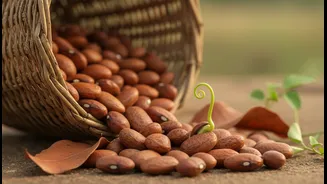


The Great Nutrition Divide
There's a common belief that foods are either a source of carbohydrates for energy or a source of protein for muscle building, but rarely both. This mindset often leads to viewing carbohydrates as simple fuel, sometimes even with a negative connotation,
while protein is seen as the superior nutrient for strength and satiety. This simplistic view, however, overlooks a category of foods that brilliantly provides the best of both worlds. These foods don't fit neatly into one box, offering a more complex and beneficial nutritional profile than we give them credit for.
Meet the Powerhouse Pulses
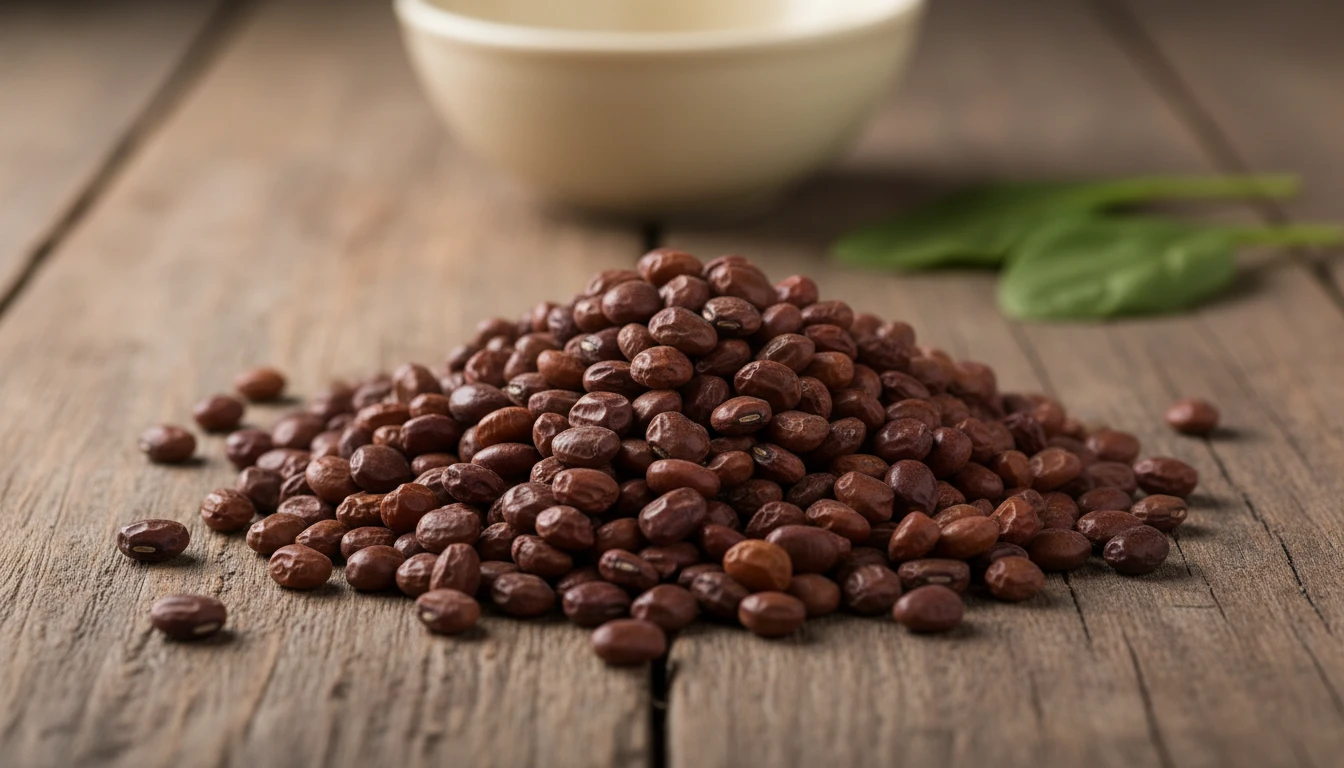
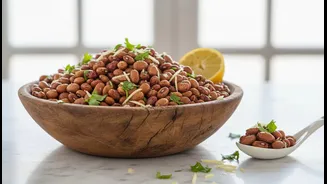
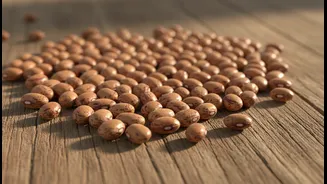
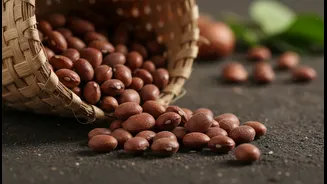
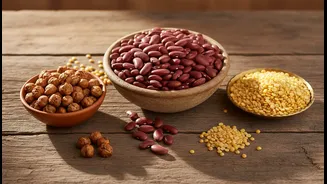
Pulses—the edible dried seeds of legume plants—are the ultimate myth-busters. This category includes staples of the Indian diet like lentils (dal), chickpeas (chana), kidney beans (rajma), and peas. A single serving of pulses is a nutritional jackpot. They are packed with both high-quality complex carbohydrates and a significant amount of plant-based protein. For instance, 100 grams of cooked pulses can contain around 8 grams of protein and 14 grams of carbs. This dual offering makes them uniquely capable of providing sustained energy from carbohydrates while also delivering the building blocks for muscle repair and growth.
A Closer Look at Our Kitchen Staples
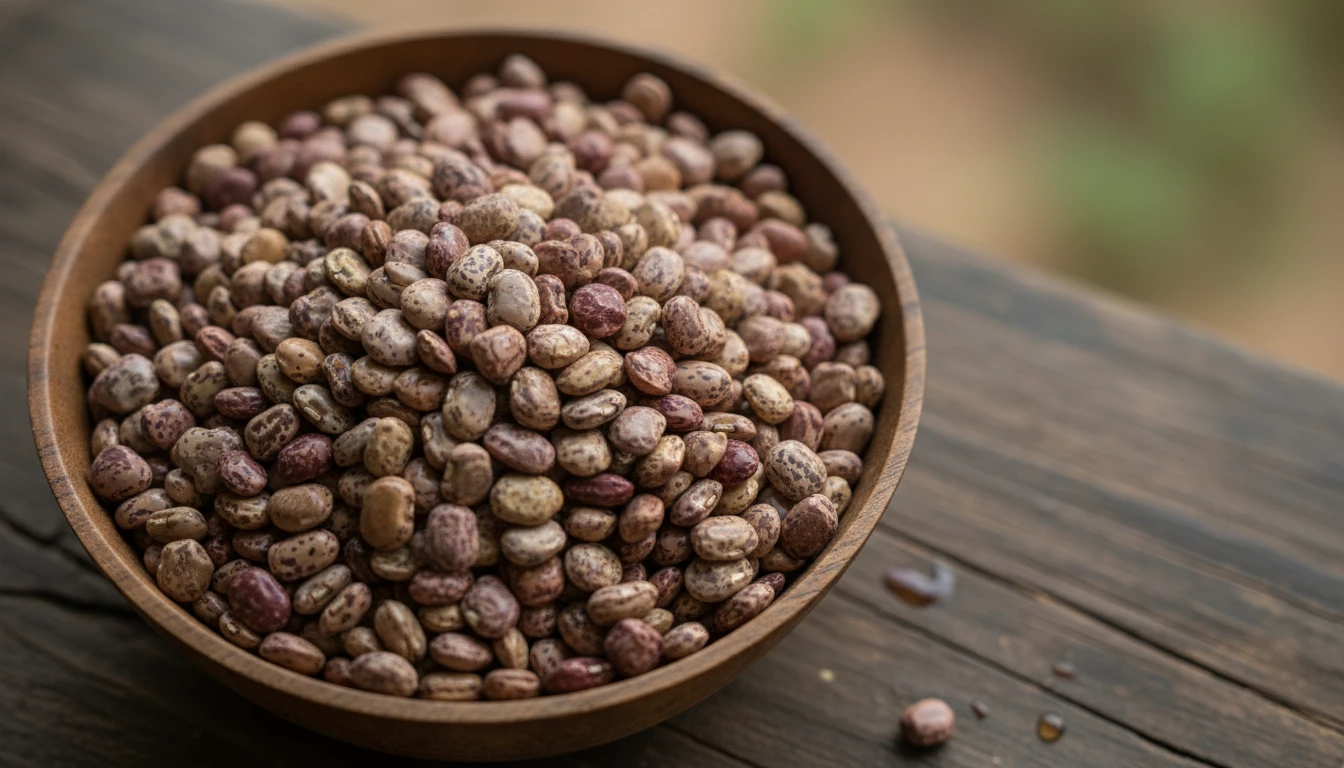
Let's look at the numbers for some of our favourites. A 100-gram serving of uncooked masoor dal (red lentils) offers a massive 25 grams of protein and about 60 grams of carbohydrates. Rajma (kidney beans) provides about 23 grams of protein and 60 grams of carbs per 100g. Even the common toor dal, a daily staple, contains around 22 grams of protein and 63 grams of carbohydrates per 100g serving. These figures clearly show that pulses are not just 'carbs' or 'protein'; they are a formidable combination of both, alongside being rich in dietary fibre, vitamins, and minerals like iron and potassium.
Why This Matters for Your Health
This unique nutrient combination has profound health benefits. The complex carbohydrates and high fibre in pulses lead to a low glycaemic index, which means they release sugar into the bloodstream slowly. This prevents the sharp spikes and crashes in blood sugar associated with refined carbs, providing steady, lasting energy and helping to manage diabetes. The protein and fibre also promote a feeling of fullness, which can help with weight management. For a country with a large vegetarian population, pulses are a critical and affordable source of protein essential for everyone from growing children to active adults.
Creating a 'Complete' Protein
While pulses are rich in protein, most plant-based proteins are 'incomplete,' meaning they lack one or more of the nine essential amino acids our bodies can't produce. Pulses are typically low in the amino acid methionine but rich in lysine. Grains like rice and wheat, on the other hand, are low in lysine but contain methionine. This is where the wisdom of traditional Indian meals shines. Pairing dal with rice, or rajma with roti, is not just a delicious habit; it’s a stroke of nutritional genius. This combination creates a 'complete protein,' providing all the essential amino acids your body needs, making the meal's nutritional value comparable to that of animal protein.