







More Than a Pandemic Hobby
Remember the early days of lockdown, when suddenly everyone was baking bread or learning a new skill? For many, that skill was gardening. What started as a way to pass the time has since evolved into a lasting lifestyle choice for millions across India.
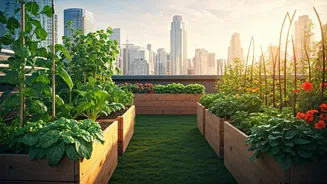
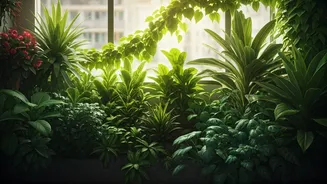
The initial curiosity has matured into a dedicated practice, with urban dwellers in cities like Bengaluru, Mumbai, and Delhi transforming their limited spaces into vibrant green oases. This isn't just about a few pots on a windowsill anymore; it's a fundamental shift in how people view their homes and their connection to the environment. The movement has sustained its momentum because its benefits go far beyond the initial novelty, touching on health, sustainability, and community.
The Quest for Fresh Food
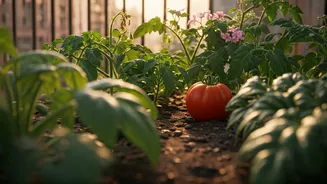
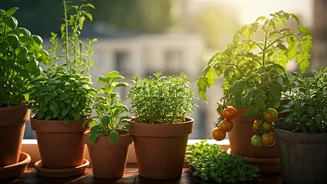
A major driver of this green wave is the simple, powerful desire for fresh, clean food. Concerns about pesticides, long supply chains, and the nutritional value of store-bought produce have led many to take matters into their own hands. The satisfaction of plucking a ripe tomato from your own plant or snipping fresh coriander for a curry is unparalleled. It’s hyper-local food at its best. On terraces and in balconies, you’ll now find everything from essential herbs like mint and tulsi to vegetables like chillies, brinjal, and lady's finger. This farm-to-table experience, scaled down to the urban home, re-establishes a crucial link between us and what we consume. It’s a delicious rebellion against processed, impersonal food systems, proving that a bountiful harvest is possible even in the heart of a concrete jungle.
Your Balcony as a Sanctuary
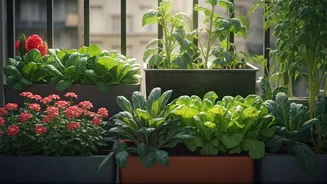
Perhaps the most profound benefit of the home garden movement is its impact on mental well-being. In our hyper-connected, screen-saturated lives, gardening offers a vital, grounding escape. The simple act of tending to plants—watering, pruning, watching them grow—is a form of active meditation. It encourages mindfulness, pulling us into the present moment and away from digital distractions and daily anxieties. Experts call this 'green therapy,' and its effects are tangible. It reduces stress, boosts mood, and provides a gentle form of physical activity. For many, their garden has become a personal sanctuary, a quiet space to decompress, breathe, and reconnect with the natural rhythms of life. It’s a powerful reminder that nurturing something else can be a wonderful way to nurture yourself.
Seeding a Community
While gardening can be a solitary activity, the movement itself is incredibly social. A vast digital ecosystem has sprung up to support aspiring and experienced gardeners alike. Facebook groups, WhatsApp channels, and Instagram profiles dedicated to Indian gardening are teeming with activity. Here, people share their successes and failures, swap seeds, and offer advice on everything from tackling pests to choosing the right soil mix for the local climate. These online communities break down the barriers of isolation, creating a sense of shared purpose. This digital greenhouse fosters a collaborative spirit, where a beginner in Pune can get advice from a veteran gardener in Chennai. It has democratised horticultural knowledge, making it accessible to anyone with a smartphone and a desire to grow.
How to Plant Your First Seed
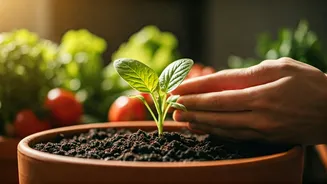
Feeling inspired? The beauty of the home garden movement is its low barrier to entry. You don’t need a sprawling lawn or years of experience. You can start with a single pot on a balcony. Choose easy-to-grow plants that thrive in the Indian climate, such as marigolds, chillies, or spinach (palak). Ensure your spot gets at least a few hours of sunlight. Pay attention to the basics: good quality potting soil, adequate drainage in your containers, and a consistent watering schedule. Don't be afraid to fail; every gardener has lost plants along the way. The key is to start small, learn as you go, and enjoy the process. The reward isn't just the eventual flower or vegetable, but the daily joy of watching life unfold.