






The Hands That Craft the Magic
Long before the first diya is lit, the Diwali economy begins in the quiet workshops of India’s artisans. For millions of potters, weavers, and craftspeople in rural and semi-urban areas, the festive season is the most critical period of the year, often
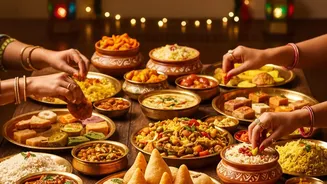
accounting for a significant portion of their annual income. For months, they meticulously create the goods that define the festival: earthen lamps, handwoven textiles, intricate decorations, and traditional sweets. This is not just a job; it is the preservation of cultural heritage passed down through generations. The demand surge during Diwali provides these artisans not just with income, but with a platform to showcase their skills, ensuring these timeless traditions continue to thrive in a modern marketplace. Their success is the first and most crucial link in the festive supply chain.
The Bridge to the Buyer
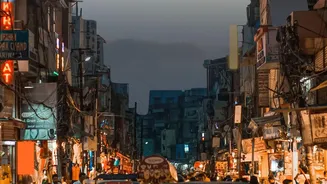
From the artisan’s workshop, these festive goods travel to the bustling local markets and neighbourhood shops that form the backbone of community commerce. These small and medium-sized businesses are the essential intermediaries, stocking their shelves in anticipation of the festive rush. For these shopkeepers, Diwali represents a make-or-break sales period. They curate products, from decorative items to gift hampers and electronics, creating the vibrant marketplace atmosphere that customers flock to. These local shops are more than just points of sale; they are hubs of community interaction where relationships are as important as transactions. By sourcing from local artisans and wholesalers, they keep the economic benefits circulating within the community, fostering a sense of shared prosperity.
The Digital Shift and New Realities
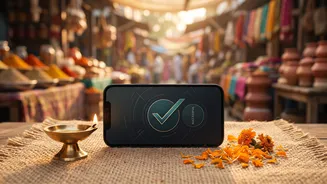
In recent years, the festive ecosystem has expanded dramatically with the rise of e-commerce. Platforms like Amazon and Flipkart have become major players, launching massive sale events that capture a huge share of consumer spending. This digital shift has created new opportunities, allowing artisans and small retailers to reach a wider audience beyond their geographical limits. Many e-commerce giants now actively partner with local craftspeople and small businesses, providing them with a platform to sell their goods to millions of customers in Tier-2 and Tier-3 cities. This integration creates a hybrid model where online demand directly fuels hyper-local economies. However, it also introduces intense competition and places immense pressure on logistics and supply chain management to handle the record-breaking volume of orders.
The Last-Mile Heroes
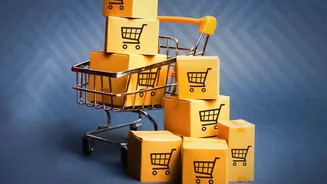
The final, and perhaps most visible, link in this chain is the army of delivery workers. As online orders surge, so does the demand for gig workers to handle warehousing, packing, and last-mile logistics. For hundreds of thousands of people, the festive season provides a crucial opportunity for temporary employment and increased earnings. These delivery partners work tirelessly, often for long hours, navigating traffic and deadlines to ensure packages arrive on time. Their role is indispensable in the modern Diwali economy, connecting the digital marketplace to the customer's doorstep. While the work is demanding, the surge in hiring during this period provides a significant economic boost to a large segment of the informal workforce, highlighting their essential role in making the festive shopping experience seamless for millions.