




Choose Fabrics That Forgive the Rain
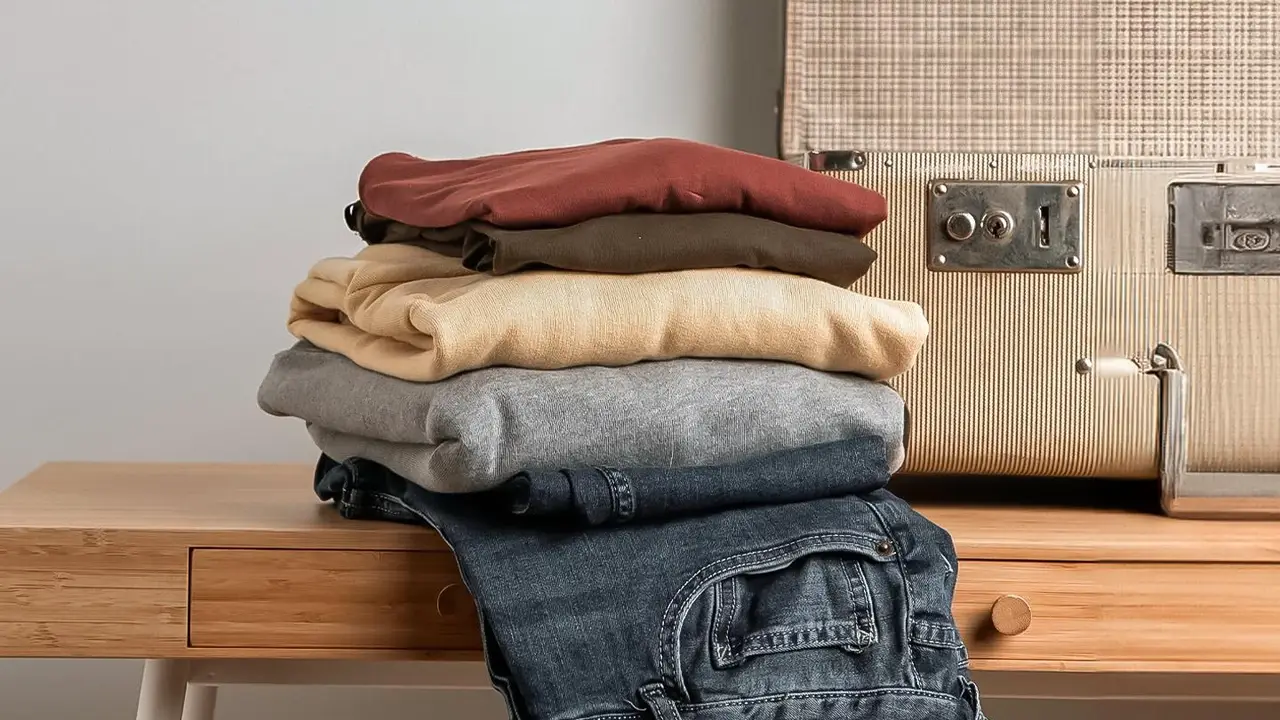
The foundation of a perfect rainy-weather pack is choosing the right materials. Leave the cotton at home; it absorbs moisture and takes forever to dry. Instead, focus on fabrics that are either quick-drying or naturally water-resistant. Merino wool is a travel
superstar; it regulates temperature, resists odours, and wicks moisture away from your skin to keep you warm even when damp. Synthetic fabrics like polyester and nylon are also excellent choices. They are hydrophobic, meaning they repel water and dry incredibly fast. A shirt made of polyester absorbs only about 0.4% of its own weight in moisture, meaning it can air-dry in your hotel room overnight. Look for blends that incorporate these materials to get the best of all worlds—durability, comfort, and performance.
Master the Art of Strategic Layering
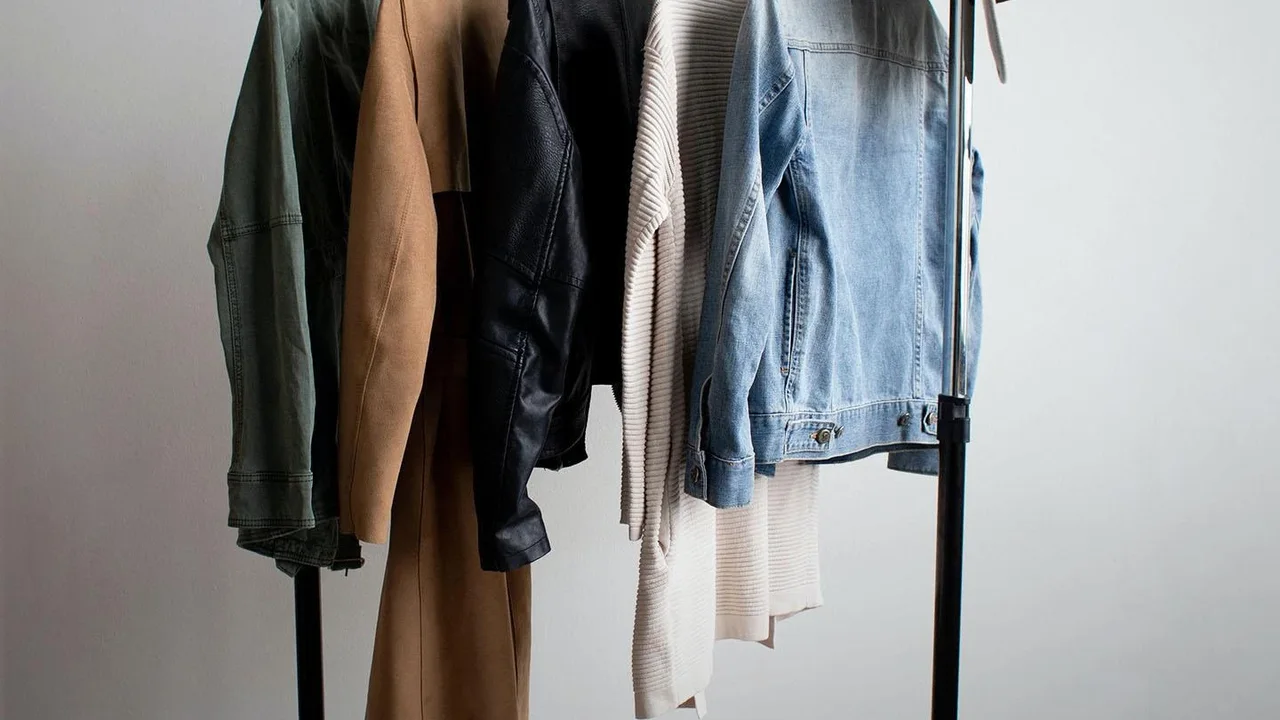
Instead of packing bulky sweaters, think in layers. This approach is more versatile and space-efficient. A typical four-day layering system includes a base layer (like a merino wool or synthetic t-shirt), a mid-layer for warmth (like a lightweight fleece or a thin merino sweater), and a waterproof outer shell. For four days, you can pack two base-layer tops, one versatile mid-layer, and your waterproof jacket, which you should wear on the plane to save space. This setup allows you to adapt to changing conditions. A sudden break in the clouds? Shed the outer layer. A chilly evening? Add the fleece back on. You get multiple outfits and temperature options from just a few key pieces.
Embrace the Power of Packing Cubes
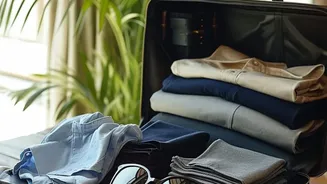
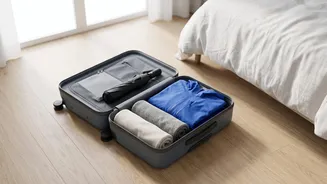
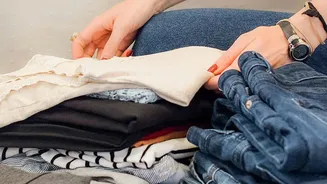
Packing cubes are non-negotiable for carry-on travel. These fabric pouches help organize and compress your clothing, creating more space than you thought possible. For a four-day trip, use one cube for your tops, one for your bottoms and underwear, and perhaps a smaller one for electronics or miscellaneous items. The compression features on some cubes can reduce the volume of your clothes by a significant margin. They also make unpacking a breeze—simply lift the cubes out of your suitcase and into the hotel drawers. In wet weather, they offer an extra layer of protection, keeping your clean, dry clothes separated from anything that might have gotten damp.
Adopt a 'Multi-Purpose' Mantra
Every item in your carry-on should earn its spot by serving multiple functions. Choose a pair of dark, water-resistant pants made from a technical fabric; they can be worn for a day of walking and still look smart enough for dinner. A versatile scarf can add warmth, protect you from a light drizzle, and elevate an outfit. Your one mid-layer sweater should be stylish enough to be an outer layer on its own if needed. This mentality extends to toiletries, too. Opt for solid shampoo bars, conditioner bars, and even solid perfume to save space and avoid potential spills. This minimalist approach forces you to pack smarter, not more.
The Footwear Dilemma: One Pair to Rule Them All
Shoes are the bulkiest items in any suitcase. For a short, rainy trip, the goal is to travel with only one or two pairs. The best strategy is to wear your bulkiest, most weather-proof pair on the plane. Look for a stylish, waterproof boot or sneaker. Modern travel footwear often combines a waterproof liner with a breathable exterior, keeping your feet dry from both rain and sweat. These can handle puddles on the street and still be comfortable for a full day of sightseeing. If you must pack a second pair, make them lightweight and compact, such as a pair of flats or loafers for the hotel or evening outings.
Your Outer Shell: The First Line of Defence
Your most important item for a rainy trip is a high-quality, lightweight, and packable waterproof jacket. Don't confuse 'water-resistant' with 'waterproof'. For persistent rain, you need a jacket with sealed seams and a proper waterproof membrane that is also breathable. Breathability is key; otherwise, you'll stay dry from the rain but get soaked with sweat from the inside. Many modern travel jackets are designed to pack down into their own pocket, taking up minimal space in your bag. As mentioned, wear it on the plane to save valuable carry-on real estate. It can also double as a blanket if the cabin gets cold.