


Beyond Butter Chicken and Biryani
For decades, Indian food in many cities was defined by a familiar roster of dishes: butter chicken, paneer tikka, and a handful of biryanis. While these classics remain beloved, a culinary shift is underway. Diners are increasingly looking past these ubiquitous
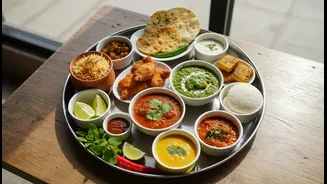
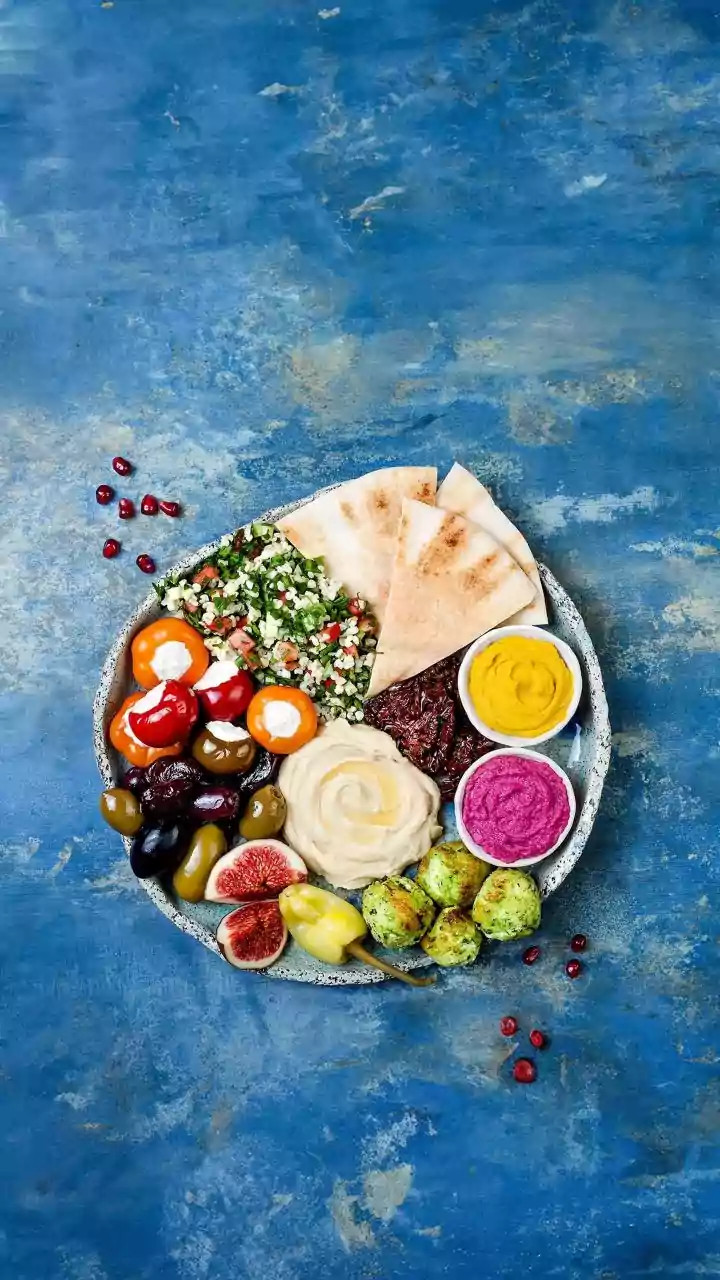
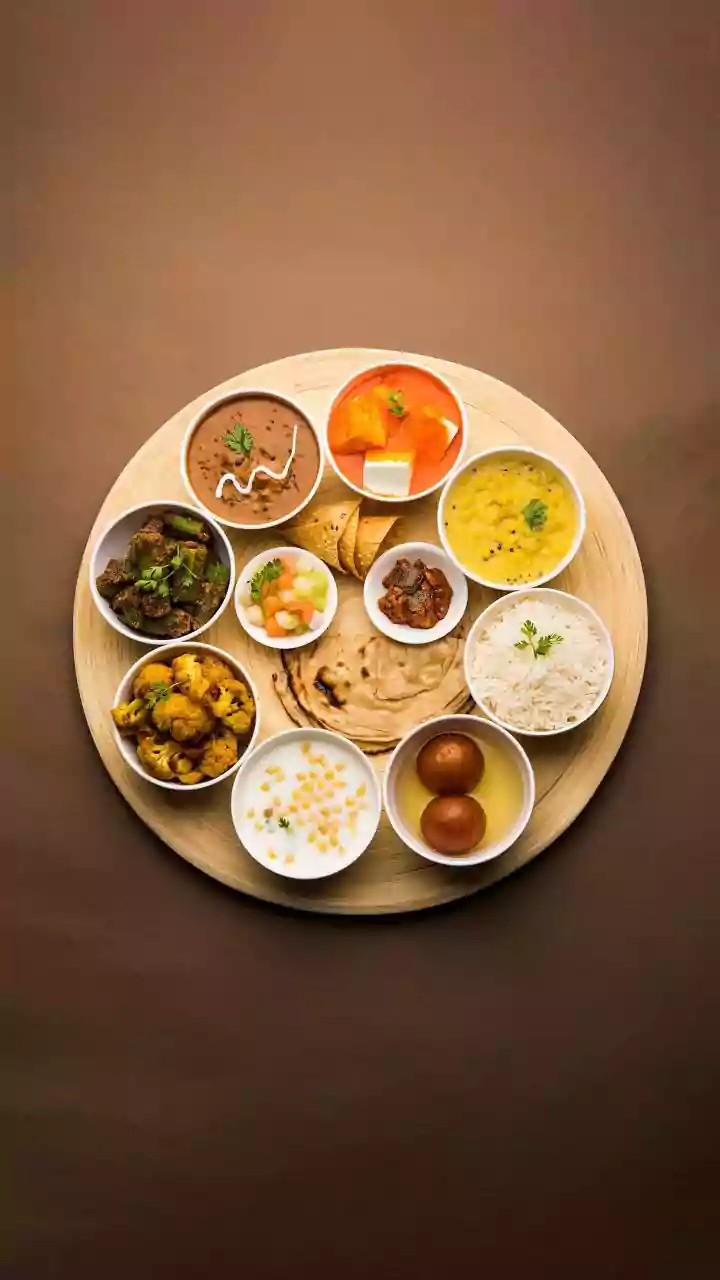
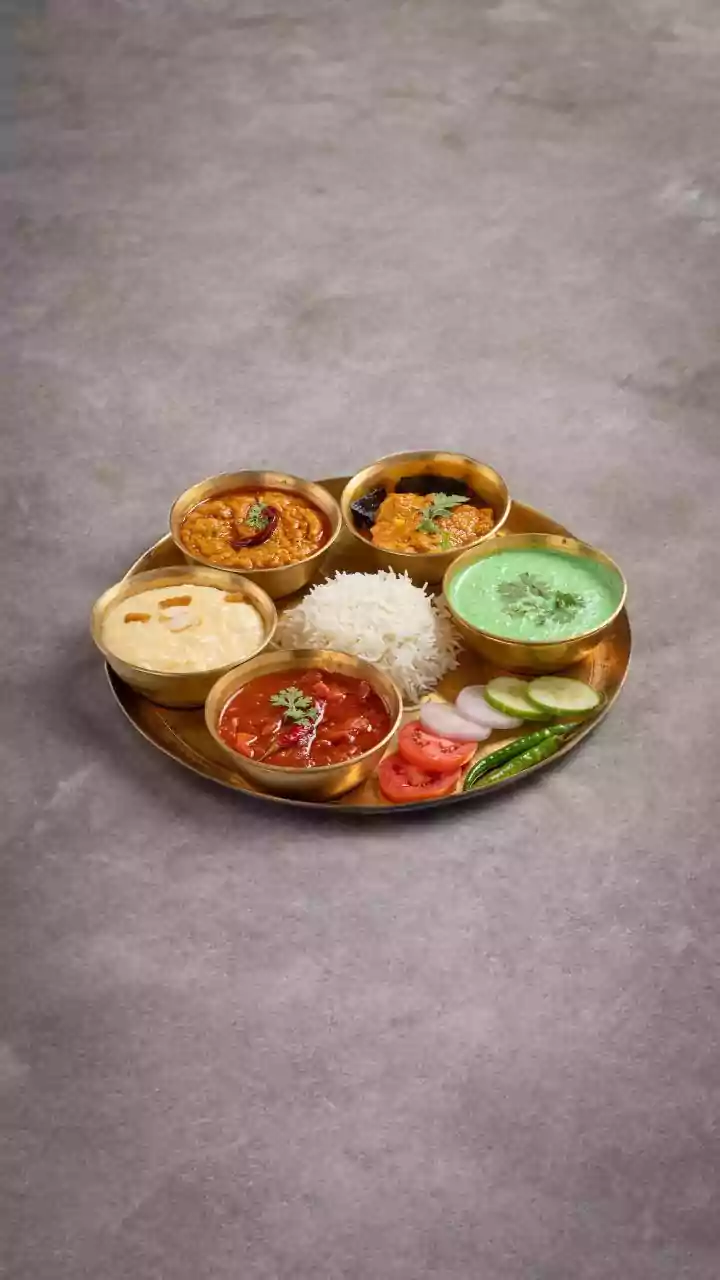
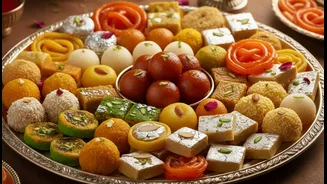
offerings, driven by a desire for authenticity and new experiences. This has given rise to multi-regional dining, where restaurants thoughtfully curate dishes from various parts of the country, presenting a more diverse and representative menu. Instead of a generic 'North Indian' label, you might find a dish from Kerala alongside one from Bengal, allowing for a journey across India on a single plate. This trend celebrates the vast tapestry of Indian food, which has been shaped by thousands of years of trade, migration, and creativity.
The Rise of Hyper-Regional Specificity
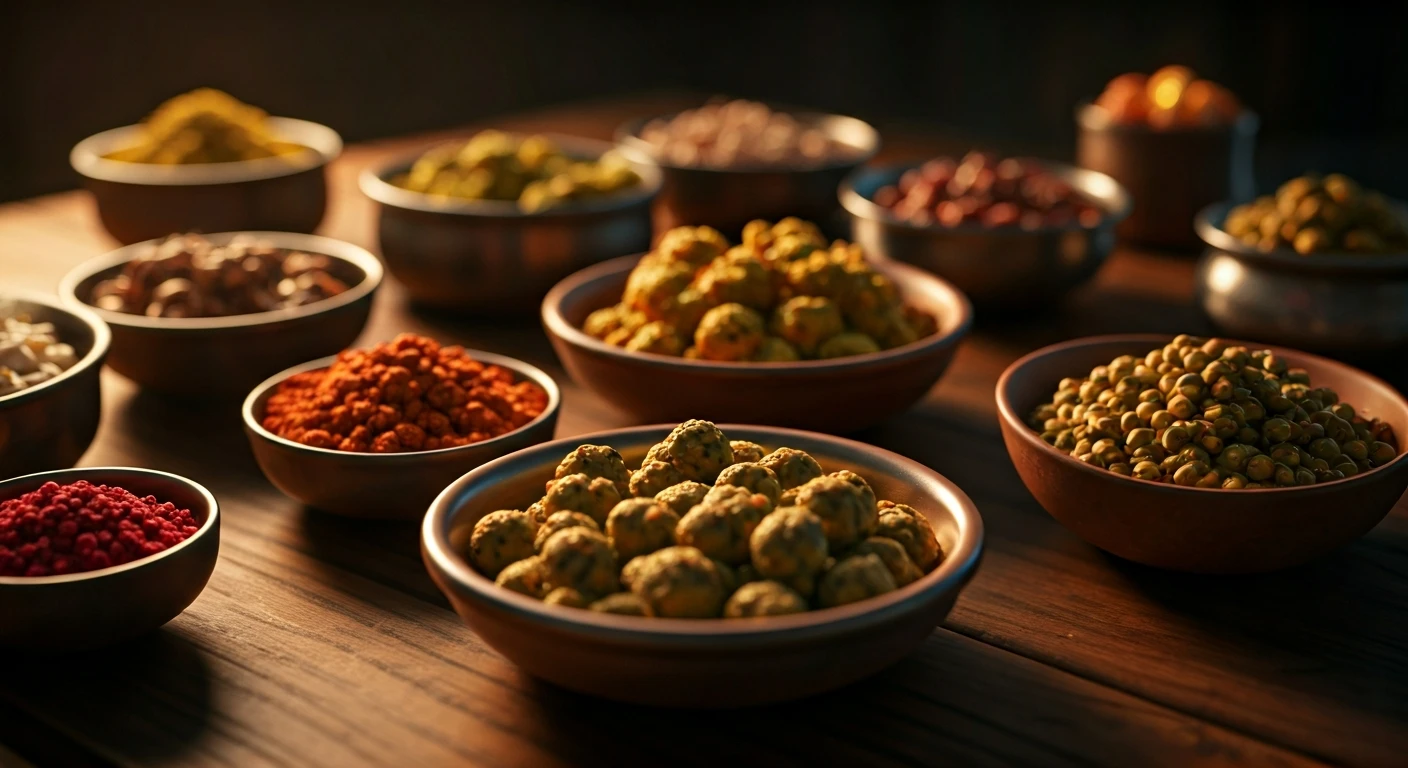
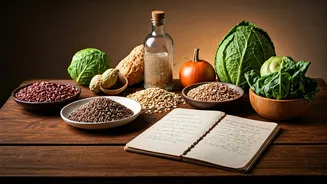
Taking this trend a step further is the concept of hyper-regional cuisine. This approach drills down even deeper than the state level, celebrating the unique food traditions of specific districts, communities, or even villages. Think of the nuances between Malnad, Udupi, and Kodava cuisines within Karnataka, or the distinction between Ghoti and Bangal food in West Bengal. This movement is driven by chefs who are proudly reclaiming their heritage, presenting dishes and techniques once considered too unfamiliar for a mainstream audience. Younger chefs, in particular, are confidently highlighting indigenous ingredients, from Manipur's black rice to the Konkan coast's kokum, that were slowly disappearing from our tables. This isn't just a trend; it's a cultural movement celebrating India's extraordinary diversity one plate at a time.
The Curious and Conscious Diner
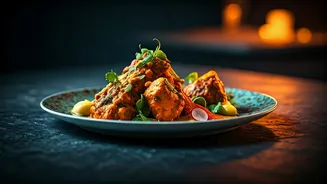
What’s fuelling this change? The modern Indian diner. More well-travelled and informed than ever, today's foodies, especially millennials and Gen Z, value authenticity over mere familiarity. They want to know the story behind their food—the valley a dish comes from, the community that perfected its recipe, and the history it represents. Social media also plays a role, as unique and visually appealing regional dishes attract significant attention, sparking further curiosity. According to industry experts, a significant percentage of diners are actively seeking out regional culinary experiences. This curiosity is not just about taste; it reflects a growing pride in India’s rich culinary identity and a desire for more meaningful, transportive dining experiences.
The Chef as Curator and Storyteller
In this new landscape, the chef’s role has evolved. They are no longer just cooks; they are curators, educators, and storytellers. Many chefs are returning to their roots, drawing inspiration from family traditions and forgotten recipes to create menus that are both innovative and deeply personal. They are leading a charge to preserve and elevate indigenous food traditions, collaborating with farmers to revive local crops and reintroducing lost ingredients to the modern palate. By explaining the context and origin of each dish, these chefs transform a meal into an immersive cultural experience, allowing diners to connect with the food in a much deeper way. This approach ensures that tradition remains relevant while embracing contemporary techniques and presentations.