

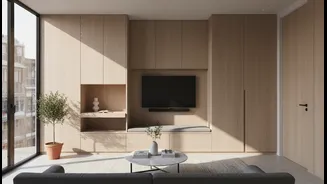


Hype: You Need Expensive Multi-Functional Furniture
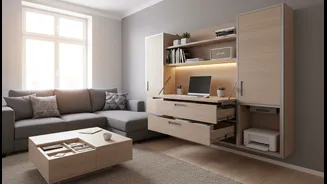
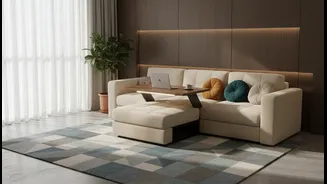
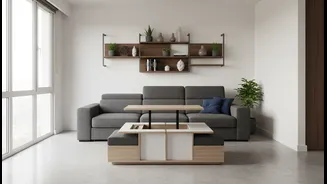
Social media is full of fascinating, complex furniture that transforms from a desk to a bed to a dining table. The hype suggests these high-tech pieces are the only solution for small spaces. They promise to solve all your problems in one expensive package.
The reality for most Indian households, however, is that these are often costly, difficult to maintain, and may not suit our specific needs, such as accommodating unexpected guests or extended family. Complicated mechanisms can also be a point of failure.
Reality: Embrace Simple, Dual-Purpose Pieces
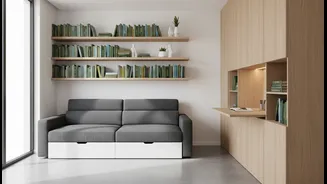
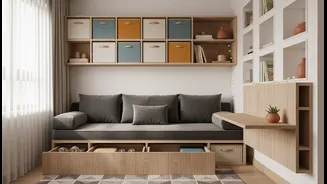
Instead of complex transformers, focus on simple, hardworking furniture. A classic storage bed, whether with hydraulic lifts or simple drawers, offers enormous hidden capacity for bulky bedding, suitcases, and seasonal clothes. A sturdy ottoman or bench with a hollow core can store blankets while providing extra seating. Even a traditional wooden trunk or 'peti' can serve as a coffee table and a storage unit. These solutions are often more affordable, durable, and blend seamlessly into the Indian home aesthetic.
Hype: Cover Every Wall in Open Shelves
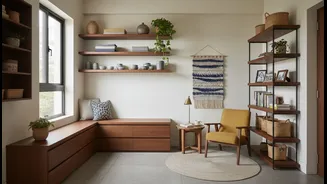
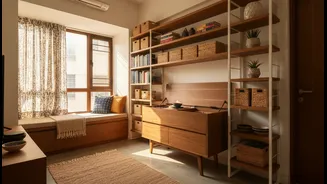
The design-magazine dream is a wall of beautifully curated open shelves, displaying pottery, books, and plants. The hype is that using vertical space means putting up shelves everywhere to create an airy, stylish look. While visually appealing in photos, this approach ignores a fundamental reality of living in most parts of India: dust and humidity. Maintaining pristine open shelves requires constant cleaning, and they can quickly make a room feel cluttered and chaotic rather than organised.
Reality: Be Strategic with Vertical Space
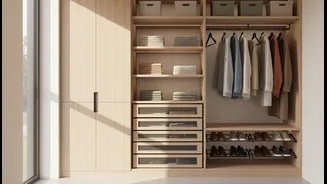
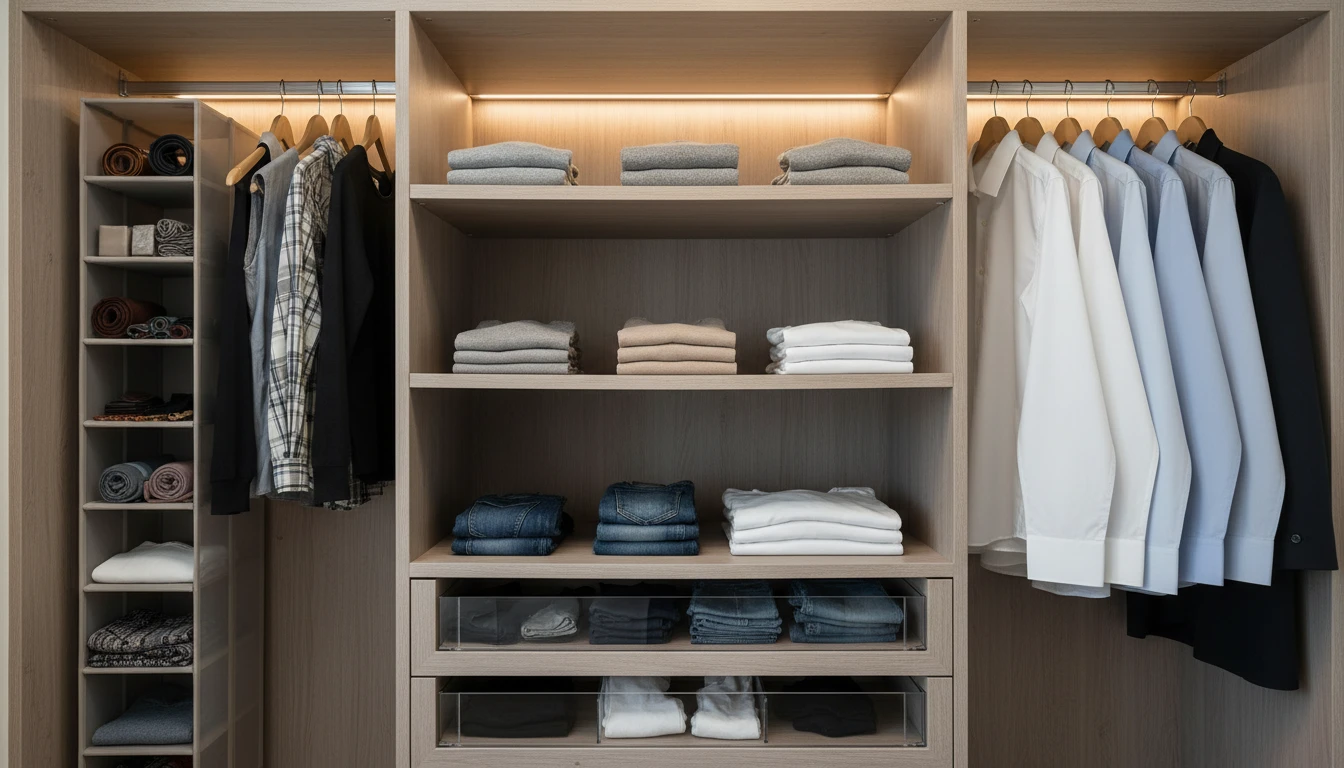
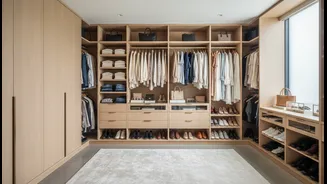
Using vertical space is crucial, but it must be done smartly. Opt for floor-to-ceiling wardrobes to gain significant storage for rarely used items like luggage and winter wear on the top shelves. Inside kitchen cabinets, use stackable shelf inserts to double your storage without drilling. For display, use floating shelves sparingly for a few cherished items. For most things, closed storage is your best friend. This keeps items protected, reduces visual clutter, and makes cleaning far more manageable.
Hype: You Must Decant Everything into Matching Jars
The organizing world is obsessed with decanting every spice, grain, and lentil into identical, aesthetically pleasing containers. The promise is a pantry that looks like a high-end grocery store. This can be a satisfying project, but it is also incredibly time-consuming and can be expensive to set up. It creates an extra step in the chore of putting away groceries and may not be practical for items you use quickly or that come in perfectly functional packaging.
Reality: Prioritise Function Over Perfect Aesthetics
A practical approach is to be selective. Decant items that you buy loose, are prone to pests, or come in flimsy packaging. For many other items, it's perfectly fine to keep them in their original boxes. You can achieve a tidy look by grouping these items into larger bins or baskets within your pantry. Label the bins—like 'Breakfast,' 'Snacks,' or 'Baking'—to find things easily. Good storage is about finding things quickly, not about creating a picture-perfect display.
Hype: You Have to Become a Strict Minimalist
Often, the advice for small spaces is simply to 'declutter' by throwing things away. While getting rid of things you don't use is important, the Indian context often involves sentimental items, inherited pieces, and things kept 'just in case' for visiting family. The hype around extreme minimalism can feel alienating and impractical in a culture where possessions often carry deep emotional and familial weight. It's not always about having less, but about storing what you have more intelligently.
Reality: Find a Home for Everything You Value
The goal isn't an empty room; it's a functional one. The key is to ensure every item you choose to keep has a designated home. This is where under-bed storage, lofts, and well-organised cupboards become essential. Use vacuum bags to compress bulky items like quilts and winter clothing, drastically reducing the space they occupy. A well-organized home isn't one devoid of possessions; it's a space where everything is accessible but out of sight, creating a sense of calm and order.