



The Enduring Sweetness of Tradition
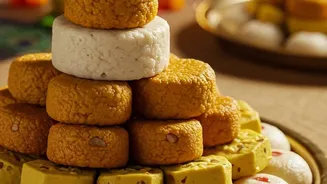
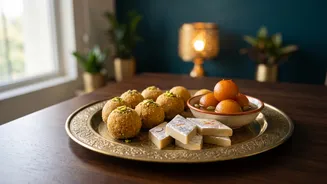
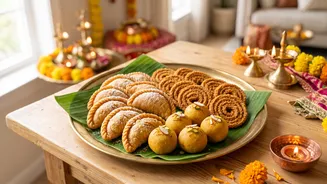
For generations, Diwali celebrations have been inseparable from traditional mithai. Sweets are not just desserts; they are symbols of joy, prosperity, and the strengthening of bonds. A box of Kaju Katli, Motichoor Laddoo, or Gulab Jamun is more than a gift;
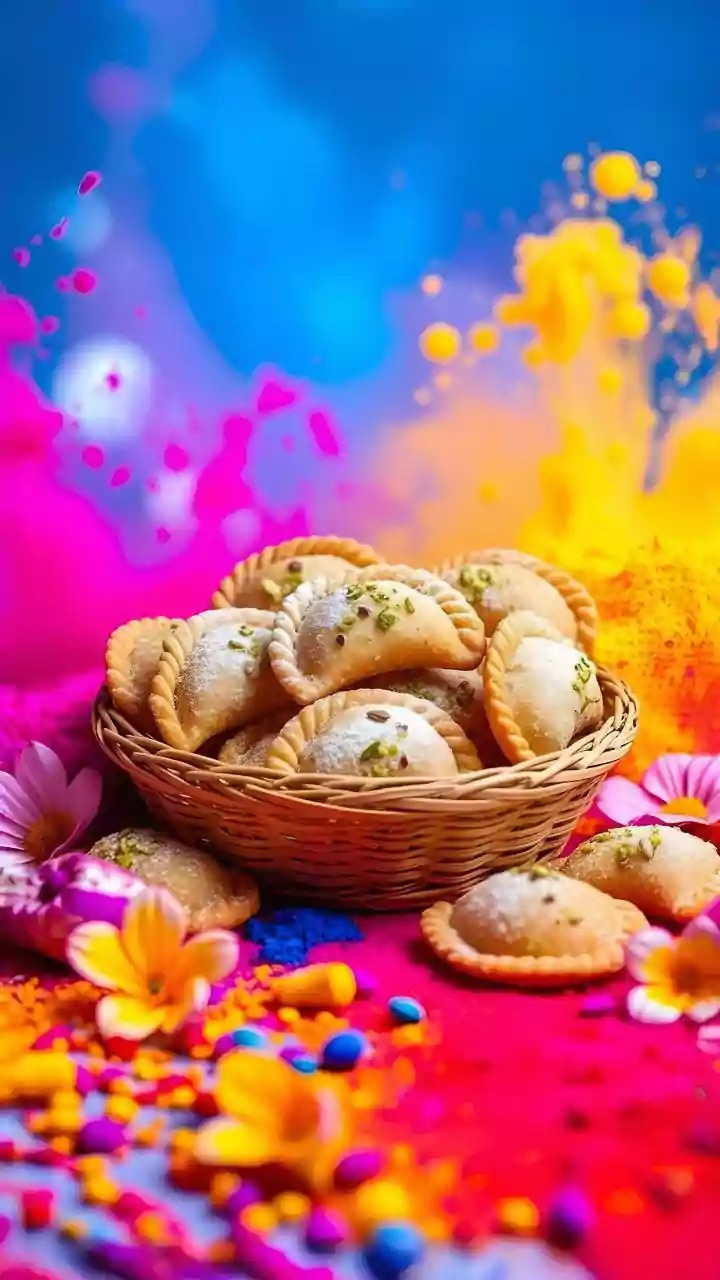
it is an offering in pujas, a token of love for family, and a gesture of goodwill toward neighbours. These sweets, rich with ghee, milk, nuts, and sugar, are deeply woven into the cultural fabric of the festival, representing an auspicious start ('shubh shuruaat') and shared happiness. From the milk-heavy delicacies of North India, like Gujiya, to the jaggery and coconut-based treats of the South, each region brings its own treasured recipes to the celebration, passed down through generations.
A Modern Makeover on the Dessert Table
Alongside the classic mithai, a new cast of characters has appeared on the Diwali dessert table. Think Motichoor Laddoo cheesecakes, Gulab Jamun cupcakes, Rasmalai tres leches cakes, and even mithai-inspired dessert jars and parfaits. This trend isn't about replacing the old but expanding the menu. The modern Indian palate, influenced by global culinary trends and a vibrant social media culture, is eager for innovation. Home bakers and artisanal dessert brands have risen to the occasion, crafting visually stunning and inventive sweets that blend Indian flavours with Western dessert formats, creating treats that are as Instagram-worthy as they are delicious.
The Driving Forces of Change
Several factors are stirring this sweet revolution. A significant driver is growing health consciousness. Many now seek options with less refined sugar and fat, leading to a surge in 'healthy sweets'. This includes mithai made with natural sweeteners like jaggery and dates, or nutrient-dense ingredients like ragi, oats, nuts, and seeds. Baked versions of fried classics, such as baked Gulab Jamun or Gujiya, are also gaining popularity. Furthermore, increased global exposure and the power of social media have introduced a wider variety of desserts to the Indian consumer. A beautiful Gajar Halwa cheesecake or a colourful mithai charcuterie board is not just a treat but also shareable content that can influence purchase decisions.
Fusion: Where Tradition Meets Trend
Perhaps the most exciting trend is the rise of fusion desserts, which protect the soul of traditional mithai while giving it a contemporary form. These creations marry the familiar, nostalgic flavours of cardamom, saffron, rose, and pistachio with textures and presentations of cakes, tarts, and mousses. Imagine the spicy-sweet notes of masala chai infused into a blondie, or the floral hint of 'gulkand' (rose petal jam) inside a chocolate truffle. These innovations demonstrate a creative dialogue between East and West, resulting in desserts like Paan-flavoured macarons and Thandai mousse. This blend allows a new generation to connect with classic flavours in a format that feels fresh and exciting.
Is Mithai Losing Its Charm?
Despite the rise of cheesecakes and cupcakes, traditional mithai is far from obsolete. It remains the number one gifting choice for Diwali, embodying a cultural legacy that modern desserts cannot fully replicate. Sharing mithai is a ritual that strengthens community bonds and carries emotional weight. Rather than fading away, classic sweet shops are also innovating, offering sugar-free or healthier versions of beloved classics to cater to changing demands. The Diwali table of today is not about an 'either-or' choice. It is a reflection of a modern, pluralistic India—one that can honour its roots with a perfectly made Besan Laddoo while simultaneously indulging in a slice of Gulab Jamun cake.