


An accent wall is one of the fastest ways to transform a room, adding personality without a full-scale renovation. From a simple coat of paint to rich, textural materials, these five classic ideas offer a starting point for any style.
1. The Bold Paint Choice
The most straightforward
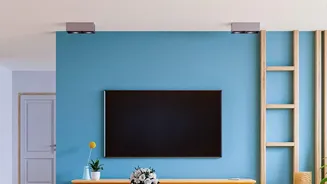
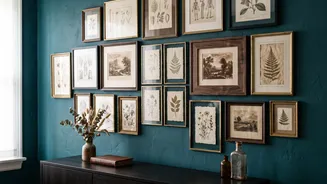
and accessible accent wall is created with a single, impactful colour. Choosing a shade that contrasts with the other three walls instantly creates a focal point, drawing the eye and adding depth to a room. For a classic look, consider a deep jewel tone like emerald green or sapphire blue behind a bed or sofa. In a smaller space, a dark, moody colour can surprisingly make the room feel larger by creating the illusion of depth. The beauty of a painted accent wall lies in its simplicity and low commitment. It’s a weekend project that requires minimal tools, and if you grow tired of the colour, a fresh coat of primer and a new hue can completely change the vibe again.
2. Timeless Wallpaper Patterns
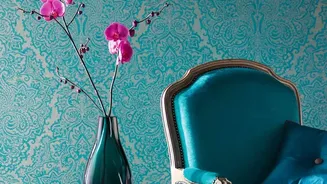
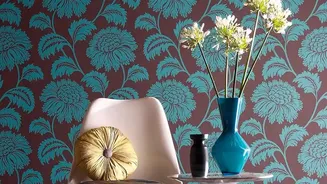
Wallpaper offers a world of pattern, texture, and personality that paint alone cannot achieve. From traditional damask and floral prints to modern geometric designs, a wallpapered accent wall can set the entire mood of a space. In recent years, peel-and-stick wallpapers have made this option far more accessible for renters and DIY novices, eliminating the need for messy glues and complicated prep work. Textured wallpapers with embossed or raised elements add a subtle 3D effect that brings a wall to life. Whether you opt for a bold, graphic print in a home office or a soft, organic pattern in a bedroom, wallpaper is a powerful tool for storytelling in your home.
3. Architectural Trim: Board and Batten
For those looking to add architectural character to a plain room, a board and batten wall is a classic choice. This technique involves applying a series of vertical boards (battens) over horizontal trim, creating a grid-like, panelled effect. It adds dimension and a bespoke feel, elevating a standard builder-grade room into something more custom. Typically painted a single colour—often a crisp white, a moody dark green, or even the same colour as the rest of the walls for a subtle textural effect—board and batten is versatile enough for entryways, dining rooms, and bedrooms. While it requires careful measurement and cutting, the materials are relatively inexpensive and the result is timeless elegance.
4. Modern Wood Slats
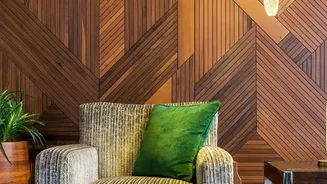
A wood slat wall introduces natural warmth and a clean, linear texture that feels both modern and mid-century inspired. These vertical or horizontal wood strips create a sense of rhythm and can make a room feel taller or wider. Light woods like oak or maple lend themselves to a bright, Scandinavian aesthetic, while darker woods like walnut offer a more sophisticated, dramatic look. Wood slat walls are often used behind a TV to create a stylish media centre, as a headboard wall in a bedroom, or in an entryway to make a strong first impression. The gaps between the slats create a play of light and shadow, adding depth without overwhelming the space.
5. Added Texture with Brick Veneer
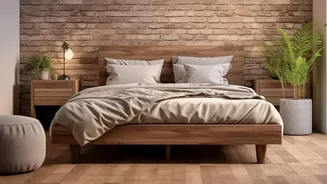
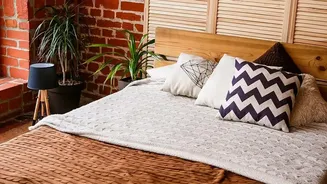
For a rugged, industrial, or rustic charm, nothing beats the look of an exposed brick wall. However, structural brick isn't always an option. This is where brick veneer, also known as thin brick, comes in. It offers the same authentic look and feel because it's often made from real, thin-cut bricks or a convincing blend of cement and pigments. Unlike full brick, which is structural and heavy, brick veneer is a decorative cladding applied to an existing wall, making it a feasible project for interiors. It’s lighter, more cost-effective, and easier to install than traditional masonry.
Understanding Brick Veneer
Brick veneer consists of thin slices of brick, typically around half an inch to an inch thick. These 'slips' are applied to a prepared wall surface with a special adhesive or mortar, much like tile. Once installed and the gaps are filled with mortar (a process called 'grouting' or 'pointing'), the result is virtually indistinguishable from a solid brick wall. It’s an ideal solution for creating a feature wall around a fireplace, in a kitchen, or to bring a loft-style vibe to a living room. While the material cost can be higher than paint or wallpaper, it is significantly cheaper than structural brickwork, and the savings on labour are substantial.
Installation and Style Considerations
Installing a brick veneer wall is a manageable DIY project for someone with patience and attention to detail. The process generally involves preparing the wall, applying adhesive, pressing the brick slips in place with spacers for even grout lines, and then filling those lines with mortar using a grout bag. Starting from the bottom and ensuring each row is level is key to a professional-looking result. The styling options are vast. Classic red brick provides a warm, industrial feel. A whitewashed or 'German schmear' finish can soften the look for a more rustic or shabby-chic style. Ultimately, it provides a level of texture and permanence that other accent wall treatments can't match, adding significant character and potential resale value to your home.