





A Festival Fit for a King
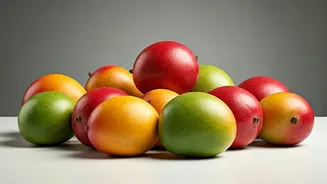
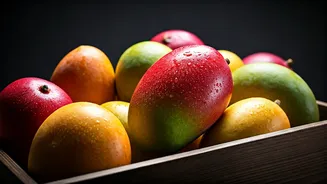
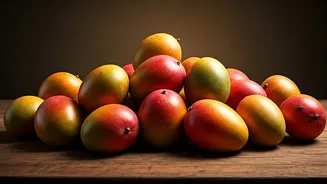
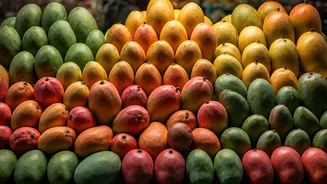
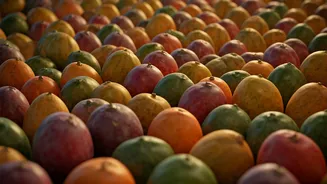
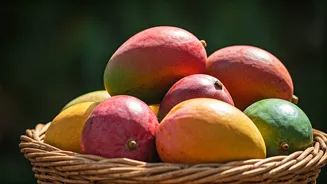
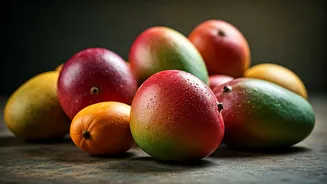
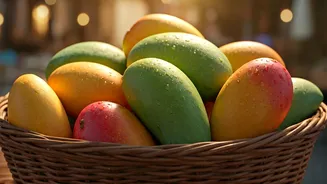
For a few glorious days, Dilli Haat became the epicentre of the fruit world, hosting the much-awaited Aam Mahotsav, or Mango Festival. This wasn't just a market; it was a vibrant celebration of India's incredible mango biodiversity. Organised by Delhi
Tourism, the event brought together farmers from states like Uttar Pradesh, Bihar, and West Bengal, giving them a platform to showcase their prized produce directly to city dwellers. With over 500 varieties on display, the festival was a sensory overload in the best possible way, reminding everyone that there's a whole universe of mangoes beyond the familiar Dasheri and Chaunsa.
The Showstopper: Asl-ul-Muqarrar
Among the hundreds of contenders, one variety often whispered about with reverence is the Asl-ul-Muqarrar, which translates to 'the real thing' or 'the original'. This legendary mango, with roots in Murshidabad, West Bengal, is famed not for its size but for its intoxicating fragrance. It's said that the aroma of a single Asl-ul-Muqarrar can fill an entire room. Its taste is equally complex—intensely sweet with floral and spicy notes. Finding this rare gem is a treat for connoisseurs, and its presence at the festival was a major draw for those seeking a taste of history and horticultural royalty.
The Small Wonder: Jehangir
Proving that good things come in small packages, the Jehangir mango captured hearts with its diminutive size. Often no larger than a small plum or a large berry, this variety is as delightful to look at as it is to eat. Its small stature makes it a novelty, but its flavour is anything but minor. It packs a concentrated punch of sweetness and a rich, honeyed taste. The Jehangir stands as a testament to the sheer range of mango genetics, where the fruit can be both massive and miniature, yet equally delicious.
The Unusually Named: Abdullah Pasand
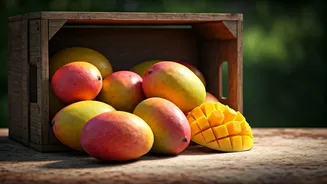
Many mangoes carry names that tell a story, and Abdullah Pasand is one of them. While not the most common variety, its intriguing name, meaning 'Abdullah's Favourite', sparks curiosity. This mango is typically medium-sized with a beautiful yellowish-green skin that blushes red when ripe. It is known for its firm, fiberless flesh and a balanced flavour profile that is sweet but with a pleasant tartness. Varieties with such personal-sounding names often have deep local histories, passed down through generations of farmers who cultivated and perfected them.
The Hybrid Hero: Mallika
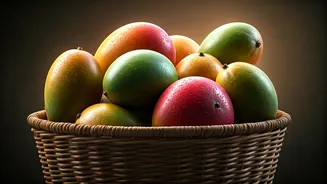
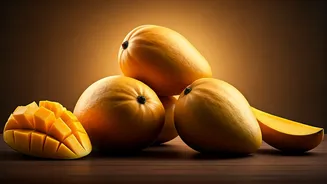
A star of modern Indian horticulture, the Mallika mango is a hybrid variety developed by crossing the popular Neelum and Dasheri. The result is a superb fruit that combines the best of both parents. Mallika mangoes are large, oblong, and turn a brilliant cadmium-yellow when ripe. The flesh is a deep orange, exceptionally sweet, and virtually fiberless, with distinct notes of citrus and melon. Its excellent keeping quality and disease resistance have made it a favourite among farmers and a delight for consumers looking for a reliable, flavour-packed experience.
More Than Just Fruit
Beyond the tasting and purchasing, the festival served a greater purpose. It was a crucial link between the farm and the table, cutting out intermediaries and ensuring farmers received fair prices for their hard work. It also acted as a living library of India's agricultural heritage. In an era of monoculture, events like the Aam Mahotsav are vital for preserving and promoting indigenous varieties that might otherwise be lost. For visitors, it was an education—a chance to learn about the origins, flavours, and stories behind the 'King of Fruits' and appreciate the labour that goes into cultivating them.