

The Building Blocks of Your Body
To understand the magic of pairing grains and legumes, we first need to talk about protein. Proteins are essential macronutrients, crucial for building and repairing tissues, making enzymes and hormones, and supporting overall bodily function. At their
core, proteins are made of smaller units called amino acids. There are 20 different amino acids, but nine of them are called 'essential amino acids'. Our bodies cannot produce these nine on their own, so we must get them from the food we eat.
What It Means to Be a 'Complete' Protein
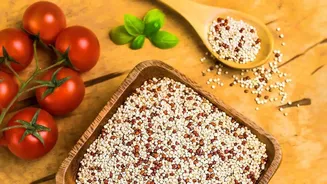
A food source is considered a 'complete protein' when it contains all nine essential amino acids in adequate amounts. Animal-based foods like meat, fish, eggs, and dairy are classic examples of complete proteins. Some plant foods, such as quinoa and soy products like tofu, are also complete proteins. However, many plant-based foods are considered 'incomplete proteins' because, while they may contain all the essential amino acids, they are low in one or more of them. This is where strategic food pairing becomes so important, especially for those following vegetarian or vegan diets.
The Grain and Legume Partnership
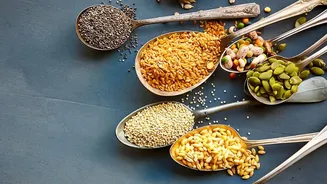
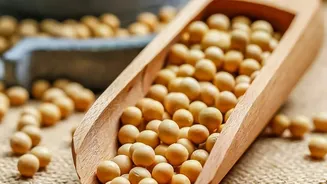
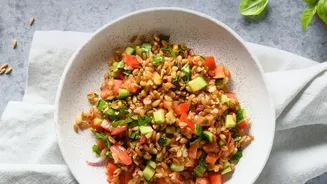
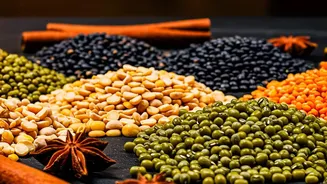
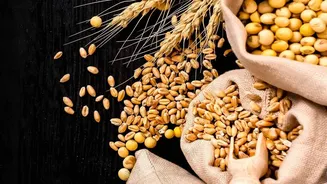
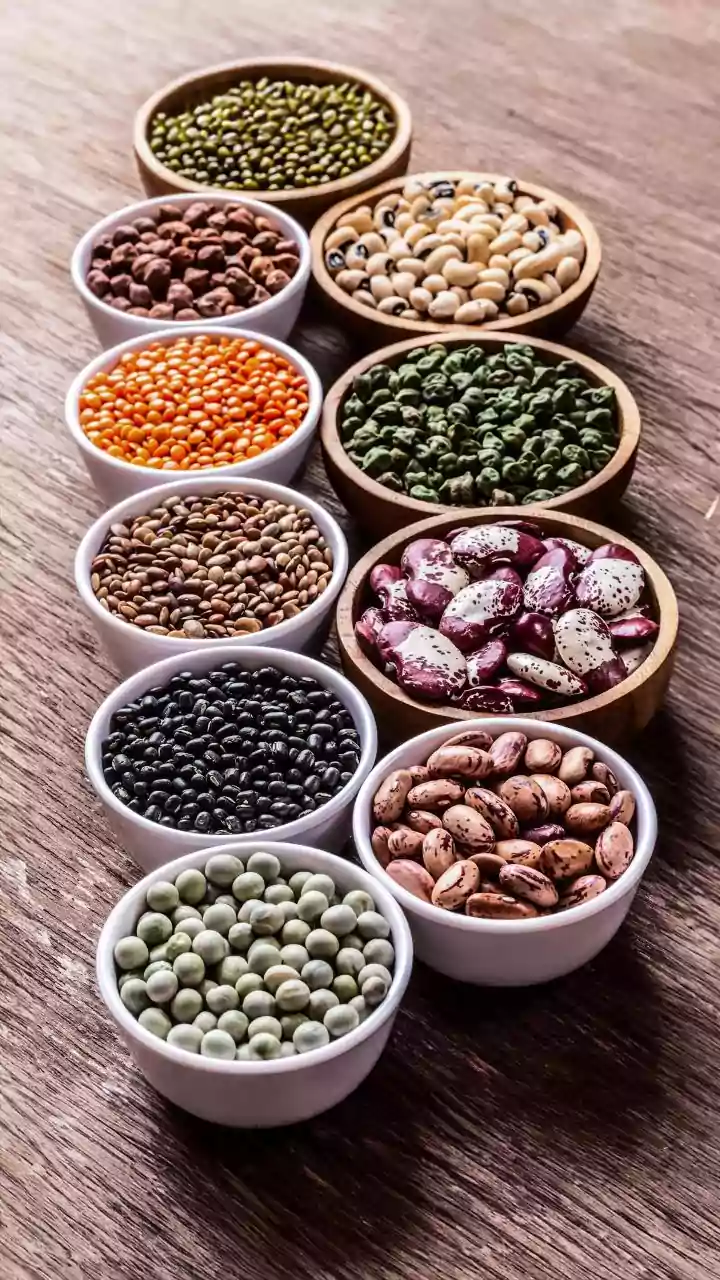
Cereal grains and legumes are perfect nutritional partners because they compensate for each other's limitations. Most cereal grains, like rice and wheat, are low in the essential amino acid lysine, but they have sufficient amounts of another essential amino acid, methionine. On the other hand, legumes—such as beans, lentils, and chickpeas—are typically rich in lysine but low in methionine. When you eat them together, their amino acid profiles complement each other. The lysine from the legumes fills the gap in the grains, and the methionine from the grains makes up for what's low in the legumes. The result is a meal that provides all nine essential amino acids, effectively creating a complete protein profile.
A Tradition Rooted in Wisdom
This principle isn’t a new discovery; it’s a practice embedded in culinary traditions across India and the world. The combination of dal and rice is a staple in countless Indian households for this very reason. Similarly, a roti (made from wheat) served with a chickpea curry (chana masala) is another classic example of this powerful pairing. Even millet-based rotis paired with dal or other legumes are a traditional combination that provides complex carbohydrates, fibre, and a complete protein source. Other global examples include rice and beans in Latin American cuisine, hummus (chickpeas) with pita bread (wheat) in the Middle East, and peanut butter on whole-wheat bread.
Do You Need to Eat Them in the Same Meal?
For years, a common myth suggested that you had to eat complementary proteins in the same meal for your body to use them effectively. However, nutritional science has since shown this to be unnecessary. Your body maintains a pool of amino acids it can draw from throughout the day. As long as you consume a variety of plant-based protein sources over the course of a day—for instance, having a bowl of dal for lunch and some whole-grain roti for dinner—your body can combine the amino acids as needed. So, while enjoying them together is delicious, there’s no need to stress about perfect pairing at every single meal.