

Start With Origin: India's Tea Terroir
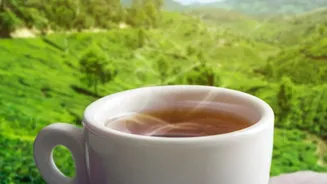
The first step to building your tea plan is to understand where it comes from. Just like wine, the 'terroir'—the soil, climate, and altitude—dramatically affects a tea's flavour. For Indian tea lovers, three regions are essential to know. First is Darjeeling,
often called the "Champagne of Teas." Grown in the Himalayan foothills, these teas are delicate, floral, and complex, best enjoyed without milk to appreciate their nuanced, fruity notes. Next is Assam, the powerhouse of Indian tea located in the lowlands of the northeast. Assam teas are known for being bold, malty, and robust, with a rich, reddish colour. This is the strong base you'll find in many masala chais and breakfast blends. Finally, there's Nilgiri, from the Blue Mountains in the south. Nilgiri teas are bright, fragrant, and wonderfully aromatic, less bold than Assam but more full-bodied than Darjeeling. Their clean flavour makes them perfect for both hot and iced teas.
Understand the Process: Black, Green, or White?
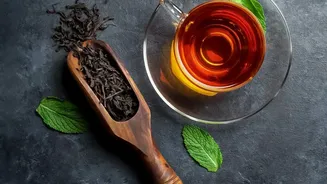
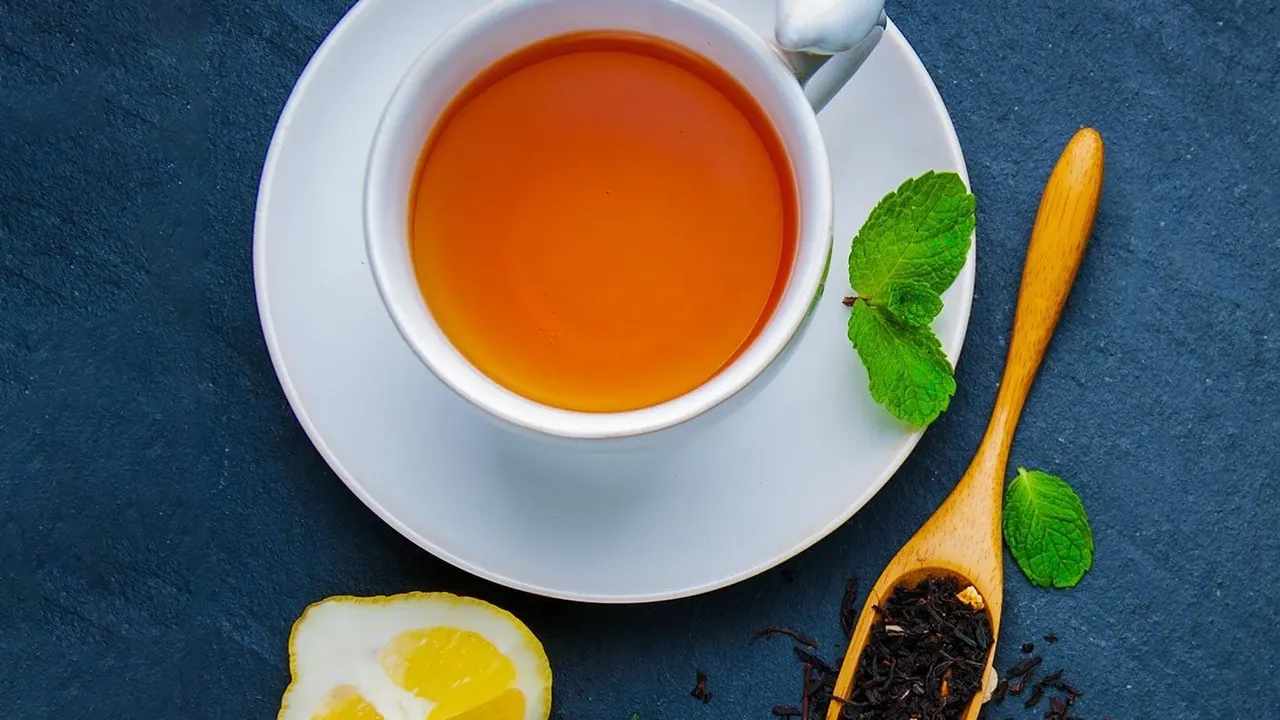
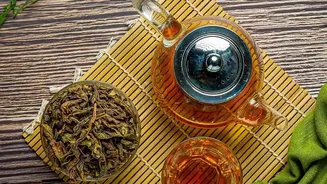
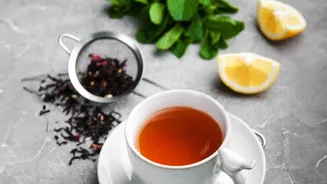
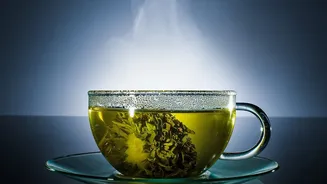
Before you get to added ingredients, it's crucial to know how the tea leaf itself was processed. This single factor determines whether a tea becomes black, green, oolong, or white. It all comes down to oxidation, a natural process that changes the leaf's chemical composition and flavour. Black tea is fully oxidised, which gives it a darker colour and a stronger, maltier flavour profile. Green tea, on the other hand, is heated soon after harvesting to prevent oxidation, preserving its fresh, grassy, and more vegetal notes. White tea is the least processed of all, made from young buds and leaves that are simply withered and dried. This results in a very delicate, subtle, and often sweet flavour. Oolong teas sit somewhere in the middle, being partially oxidised. This wide range of oxidation means oolongs can taste anything from light and floral like a green tea to dark and roasted like a black tea.
Explore Ingredients and Blends
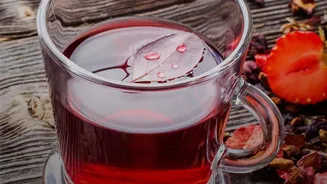
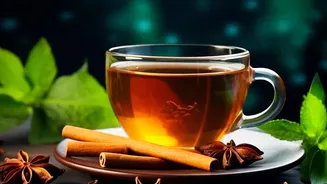
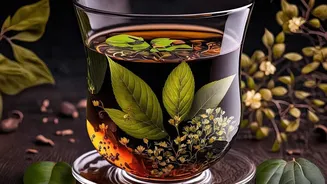
Once you have a sense of the base tea, the next layer of choice involves added ingredients. This is where your personal taste truly comes into play. Blends can be created through 'inclusions,' where physical ingredients are mixed with the tea leaves. The most classic Indian example is Masala Chai, a blend of black tea with spices like cardamom, cinnamon, ginger, and cloves. Floral blends are also popular, using inclusions like rose petals or jasmine flowers to scent the tea, creating an aromatic experience. Fruity teas might include dried pieces of apple, orange peel, or berries, which infuse the brew with their sweet and tangy notes. Exploring these blends is a journey of discovery. If you enjoy spicy, warming flavours, a masala or spiced blend is a great choice. If you prefer something fragrant and calming, a floral tea might be perfect.
Finally, Consider the Caffeine
Caffeine is often the final, practical consideration in choosing a tea. The amount can vary based on the tea type, processing, and brewing method, but there are general rules to follow. Black tea typically has the highest caffeine content, generally ranging from 40-70 milligrams per cup, making it ideal for a morning energy boost. Matcha, a powdered green tea where you consume the whole leaf, is also quite high in caffeine. Oolong and green teas fall in the middle, with caffeine levels typically between 20-55 mg. White tea usually has the least caffeine among true teas, often around 15-40 mg, making it a good choice for a gentle lift in the afternoon. Herbal infusions, or tisanes, made from flowers, fruits, and herbs like chamomile or peppermint, are naturally caffeine-free and perfect for winding down in the evening.