






What Exactly is an Air Taxi?
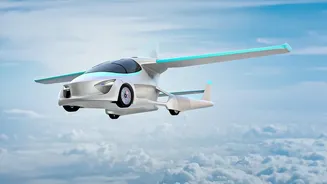
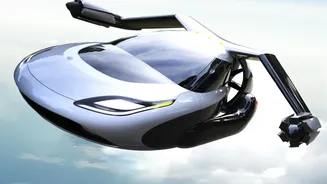
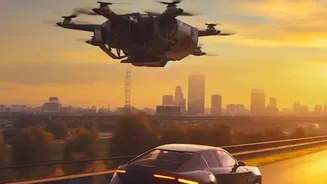
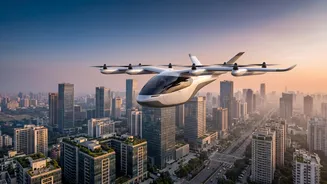
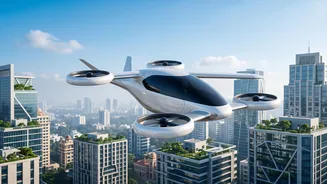
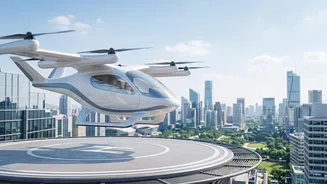
At the heart of this revolution is the eVTOL, or electric Vertical Take-Off and Landing aircraft. Think of it as a quiet, eco-friendly hybrid between a helicopter and a small plane. These vehicles are designed for city life; they can lift off and land
vertically in tight spaces, just like a chopper, but fly forward efficiently like a plane. The model planned for India, Archer Aviation's 'Midnight' aircraft, is a piloted, four-passenger vehicle powered by six battery packs. Being all-electric means they produce zero emissions during flight and are significantly quieter than traditional helicopters, making them a less disruptive option for flying over populated urban areas.
The Delhi Plan: A 7-Minute Commute
The initial plan is ambitious and specific. The service, slated for a 2026 launch, will connect Connaught Place in Delhi with Gurugram in Haryana. This 27-kilometre journey, which typically takes 60 to 90 minutes by car during peak hours, is expected to take only about seven minutes by air. IndiGo's parent company, InterGlobe Enterprises, has partnered with US-based Archer Aviation to bring this service to life, with plans to operate a fleet of 200 'Midnight' aircraft. Beyond Delhi, the partnership also aims to roll out similar services in Mumbai and Bengaluru, targeting some of India’s most congested urban corridors.
Is It an Affordable Option?
One of the biggest questions is cost. While not a replacement for the metro, the pricing aims to be competitive with premium ground transport. Early estimates for the seven-minute Delhi-Gurugram flight place the fare between ₹2,000 and ₹3,000 per passenger. For comparison, a 90-minute cab ride for the same route can cost around ₹1,500. Archer Aviation's Chief Commercial Officer has stated the goal is to be priced at a 'slight premium' over services like Uber, eventually aiming for price parity on some routes as operations scale up. The aircraft will have a quick turnaround time, with a full recharge taking about 30-40 minutes.
Hurdles on the Horizon
Launching an entirely new mode of transport is complex. The biggest challenge is regulation. The aircraft must first receive certification from the US Federal Aviation Administration (FAA) before it can be cleared by India's Directorate General of Civil Aviation (DGCA). This process is rigorous and ongoing. Another major hurdle is infrastructure. Air taxis require 'vertiports'—dedicated sites for takeoff, landing, and charging. Identifying and building these vertiports in dense cities like Delhi is a significant undertaking that requires coordination with municipal authorities. Finally, ensuring impeccable safety and building public trust will be paramount for widespread adoption.
The Bigger Picture for Indian Cities
While the 2026 timeline from InterGlobe and Archer is a key focus, they are not alone. The Indian government is actively promoting urban air mobility, with a broader target of seeing commercial electric air taxis operational by 2028. Bengaluru-based startup Sarla Aviation is another major player, developing its own eVTOL and securing design approval from the DGCA. The government is also working on a national policy for urban air mobility and guidelines for vertiports, indicating a coordinated push to create a supportive ecosystem. This technology isn't just about passenger travel; potential applications include medical logistics, emergency services, and cargo transport.