




In India, gold often takes the spotlight in any investment discussion. But its less-discussed cousin, silver, is making significant moves. A key indicator, the gold-to-silver ratio, reveals a fascinating shift in the metals market.
What Is the Gold-to-Silver Ratio?
Simply put, the gold-to-silver
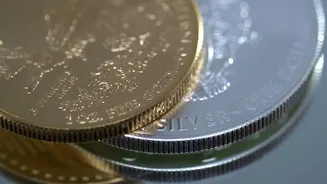
ratio tells you how many ounces of silver it takes to buy one ounce of gold. For example, if the ratio is 80:1, you would need 80 ounces of silver to purchase a single ounce of gold. It's a straightforward way to measure the relative value of these two precious metals. When the ratio is high, it suggests that gold is expensive compared to silver. Conversely, when the ratio is low, it indicates that silver has gained strength relative to gold. Historically, this ratio has fluctuated significantly, but many analysts watch for movements outside the modern average range of 50:1 to 80:1 as a signal of potential market shifts. Recent data from November 2026 shows the ratio climbing to around 85:1, indicating silver has become cheaper relative to gold after a market correction.
Recent Trends and Silver's Volatility
The headline's claim of a 'lower' ratio reflects a medium-term trend where silver has shown periods of significant outperformance. For instance, data from early November 2026 showed that an investment in silver over one and three-year periods delivered higher returns than gold. However, the most recent market activity in late November shows a sharp reversal, with the ratio spiking as silver's price corrected more steeply than gold's. This highlights a core characteristic of silver: volatility. Because the silver market is smaller than the gold market, its price tends to move more dramatically. Furthermore, silver's price is influenced by both investment demand and industrial use, making it sensitive to changes in economic activity and manufacturing, whereas gold is seen more as a pure safe-haven and monetary asset.
The Industrial Demand Driver
A key reason for silver's underlying strength is its crucial role in industry. While only about 7% of gold goes to industrial uses, nearly 60% of silver demand comes from industrial applications. This is due to its unique properties, including the highest electrical and thermal conductivity of any metal. Silver is an essential component in some of the world's fastestest growing sectors, including solar panels (photovoltaics), electric vehicles, and advanced electronics for everything from 5G to AI. This robust industrial consumption has created a structural supply deficit, meaning demand has consistently outpaced supply for several years, a trend expected to continue into 2026. Unlike gold, where new mines can be opened in response to high prices, roughly 75% of silver is mined as a by-product of other metals like copper and zinc, making its supply much less responsive to demand.
What This Means for Indian Investors
For investors in India, who have a deep cultural and financial affinity for precious metals, this dynamic presents a new perspective. Traditionally, gold is the preferred asset for longterm wealth preservation and stability. Its value is supported by immense central bank demand and its status as a global store of value. Silver, on the other hand, offers a different proposition. Its recent outperformance over one and threeyear timelines shows its potential for higher growth, driven by industrial demand. However, this potential comes with higher volatility. The falling ratio, when it occurs, signals that silver is gaining ground on gold, making it an attractive option for investors with a higher risk tolerance who believe in its longterm industrial demand story. An investment of ₹1 lakh in silver three years ago would have grown to be worth more than the same investment in gold, showcasing this recent strength.
A Tale of Two Metals
The changing goldto silver ratio isn't about one metal replacing the other. Instead, it highlights their distinct roles in a portfolio. Gold remains the bedrock of a precious metals strategy, a hedge against economic uncertainty and currency devaluation. Silver is the more dynamic, growthoriented component, tied to technological progress and industrial expansion. A lower ratio simply means the market is acknowledging silver's growing importance and tightening fundamentals. While recent market turmoil has caused the ratio to spike, the underlying structural drivers for silver—especially its indispensable role in the green energy transition and electronics—remain firmly in place. Understanding the story behind the ratio allows investors to appreciate both metals for their unique strengths.