





The great Indian vacation is changing. For a new generation of travellers, the sterile comfort of a hotel room is being swapped for the warm, vibrant chaos of a local home. They want stories, not just souvenirs, and a genuine taste of place.
The Search for Authentic Experiences
For years,
travel was a checklist of sights to see and photos to take. But for a growing number of young Indians, particularly millennials and Gen Z, this model feels impersonal. They are driven by a desire for experiences over mere sightseeing, seeking a deeper connection to the places they visit. A recent survey found that 85% of Indian travellers associate alternative accommodations like homestays with authentic local experiences. Unlike a hotel, a homestay offers a window into the local way of life. The hosts are not just managers; they are residents and cultural ambassadors who can offer insights and access that a concierge rarely can. This turns a vacation from a passive viewing into an active, immersive one.
A Kitchen That Tells a Story
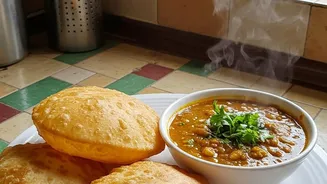
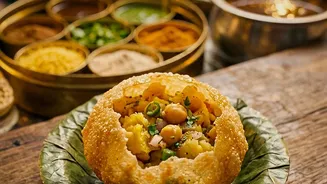
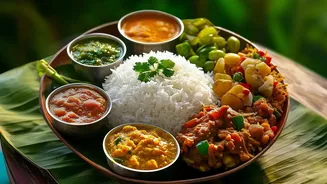
Perhaps the most powerful draw is the food. Hotel buffets often serve a standardized, milder version of regional cuisine, but in a homestay, the kitchen is the heart of the experience. Meals are typically home-cooked, featuring family recipes passed down through generations and made with fresh, local ingredients. This provides a direct taste of a region's culinary identity, from Coorgi pandi curry to Rajasthani dal baati churma prepared in a family home. It's an intimate dining experience where travellers often learn the story behind the food they are eating, making it far more memorable than a restaurant meal. Some stays are even set on working organic farms, offering a true farm-to-table journey.
Connection Over Concierge
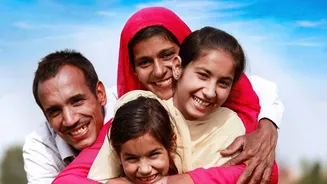
Beyond food and sightseeing, the trend is fuelled by a desire for human connection. India is a very family-oriented culture, and staying with a local family provides a unique insight that hotels cannot replicate. Hosts often become informal guides, recommending hidden waterfalls, quiet sunset spots, and local artisans not listed in any guidebook. They might invite guests to a local festival or wedding, arrange a visit to a family spice plantation, or simply share stories over a cup of chai. This personal relationship transforms the travel experience from a transaction into a meaningful exchange, making guests feel like family rather than just another customer.
The Economic and Digital Shift
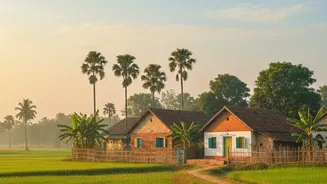
The rise of homestays is not just a cultural phenomenon; it's also an economic one. Choosing locally owned homestays ensures that tourism revenue directly supports families and local communities, fostering sustainable livelihoods. This model helps spread the benefits of tourism beyond crowded hubs, encouraging travel to lesser-known rural destinations. The trend has been significantly accelerated by technology. Digital platforms have made it easier than ever to find, vet, and book these unique stays, from heritage havelis in Rajasthan to village homes in Nagaland. With India's homestay market projected to grow significantly, this shift represents a move towards more responsible and community-focused tourism.