


Batch cooking is a fantastic way to save time and eat well. But as you stock your fridge with delicious home-cooked meals, it's crucial to get one thing right: food safety. Proper chilling isn't just a suggestion; it's key to preventing illness.
Understanding the 'Temperature Danger Zone'
The most
critical concept in food safety is the 'temperature danger zone'. According to the Food Safety and Standards Authority of India (FSSAI), this is the range between 5°C and 60°C. Within this zone, bacteria can multiply rapidly, sometimes doubling in as little as 20 minutes. Leaving cooked food at room temperature for more than two hours places it squarely in this danger zone, increasing the risk of foodborne illness. The goal of proper chilling is to move your food through this zone as quickly as possible to a safe refrigerator temperature of 5°C or below.
The Two-Hour Rule for Cooling
Never place a large, steaming pot of food directly into your refrigerator. Doing so can raise the internal temperature of the fridge, putting other stored foods at risk. The rule of thumb is to cool cooked food to room temperature (around 21°C) within two hours of it coming off the heat. After that, you have another four hours to get it down to your fridge temperature of 5°C or colder. This two-stage cooling process is the safest way to prevent harmful bacterial growth. If food has been left out for more than two hours, it's safest to discard it.
Techniques for Rapid Cooling
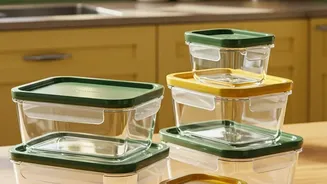
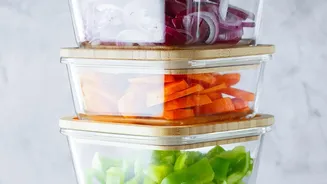
To speed up the cooling process and meet the two-hour window, you need effective techniques. One of the best methods is to divide large batches into smaller, shallower containers. This increases the surface area and allows heat to escape much faster. Stirring liquid-based foods like dal, soups, or stews also helps release trapped heat and ensures even cooling. For an even quicker method, you can create an ice bath by filling a sink or a larger basin with ice and water and placing your food containers in it. Make sure the containers are waterproof to avoid contamination.
Smart Storage and Refrigerator Rules
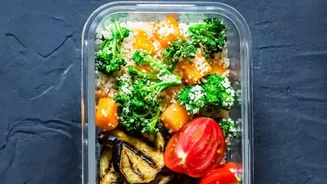
Once cooled, how you store your food matters. Use airtight containers to prevent moisture and bacteria from getting in. It’s also a great practice to label your containers with the date they were made. This helps you keep track of what needs to be eaten first. Inside your refrigerator, organization is key to preventing cross-contamination. Store ready-to-eat cooked foods on the upper shelves and raw meat or poultry on the bottom shelf. This prevents any raw juices from dripping onto your cooked meals. Finally, ensure your refrigerator is set to the correct temperature—at or below 5°C, with many experts recommending 4°C for optimal safety.
Know Your Timelines: How Long Does It Last?
As a general guideline, most cooked leftovers can be safely stored in the refrigerator for three to four days. This applies to items like cooked meat, poultry, and vegetable dishes. Some items, like cooked rice and seafood, are best consumed sooner, within a day or two, due to a higher risk of bacterial growth. If you've prepared more food than you can eat within this timeframe, the freezer is your best friend. Properly frozen food can be kept for several months, though its taste and texture are best within two to three months. When you're ready to eat your refrigerated meals, be sure to reheat them thoroughly until they are piping hot, ideally reaching an internal temperature of at least 75°C.