


What Are Ultra-Processed Foods?
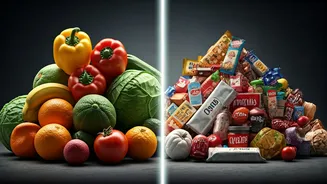
First, let's clear up the confusion. Not all processing is bad. Minimally processed foods like frozen vegetables or roasted nuts are perfectly healthy. Ultra-processed foods (UPFs) are different. These are industrial formulations made from substances
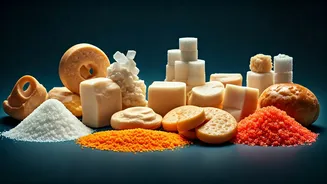
extracted from foods, then assembled with a host of additives. Think of them as products with long, confusing ingredient lists full of items you wouldn't find in a home kitchen, such as hydrogenated oils, flavour enhancers, colours, and emulsifiers. Common examples in India include instant noodles, packaged namkeen, biscuits, sugary soft drinks, and many ready-to-eat meals. They are designed to be hyper-palatable, cheap, and have a long shelf-life, which makes them incredibly common.
Why Should You Care About UPFs?
The convenience of UPFs comes with significant health warnings. A growing body of research links high consumption of these foods to serious health problems. Studies show strong associations between high-UPF diets and an increased risk of obesity, type 2 diabetes, heart disease, and even certain cancers. One major study found that people who ate the most UPFs had a significantly higher risk of heart attacks and strokes. These foods are typically high in unhealthy fats, added sugar, and salt, while being low in essential nutrients and fibre. Their highly engineered nature can also lead to overeating, as they are digested quickly and don't provide a lasting feeling of fullness.
How to Spot a UPF in the Wild
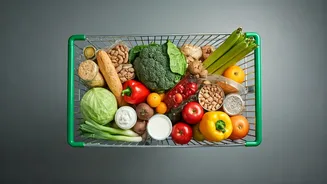
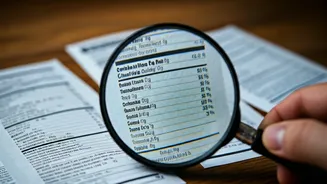
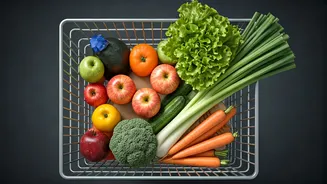
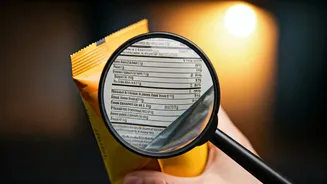
Becoming a UPF detective is easier than you think. Your best tool is the ingredient list on the package. Here are some red flags to look for: a very long list of ingredients; names you can't pronounce or don't recognize as food; and the presence of additives designed to add colour, flavour, or texture (like emulsifiers, thickeners, or artificial sweeteners). If a packaged bread, for example, contains more than flour, water, salt, and yeast, it's likely ultra-processed. A simple rule is to favour foods with shorter, simpler ingredient lists. If possible, choose foods that don't need a label at all, like fresh fruits and vegetables.
Small Swaps for a Healthier Diet
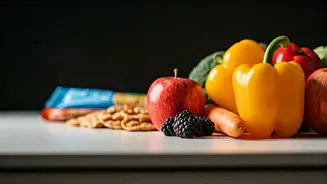
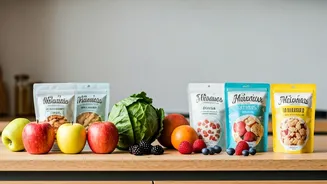
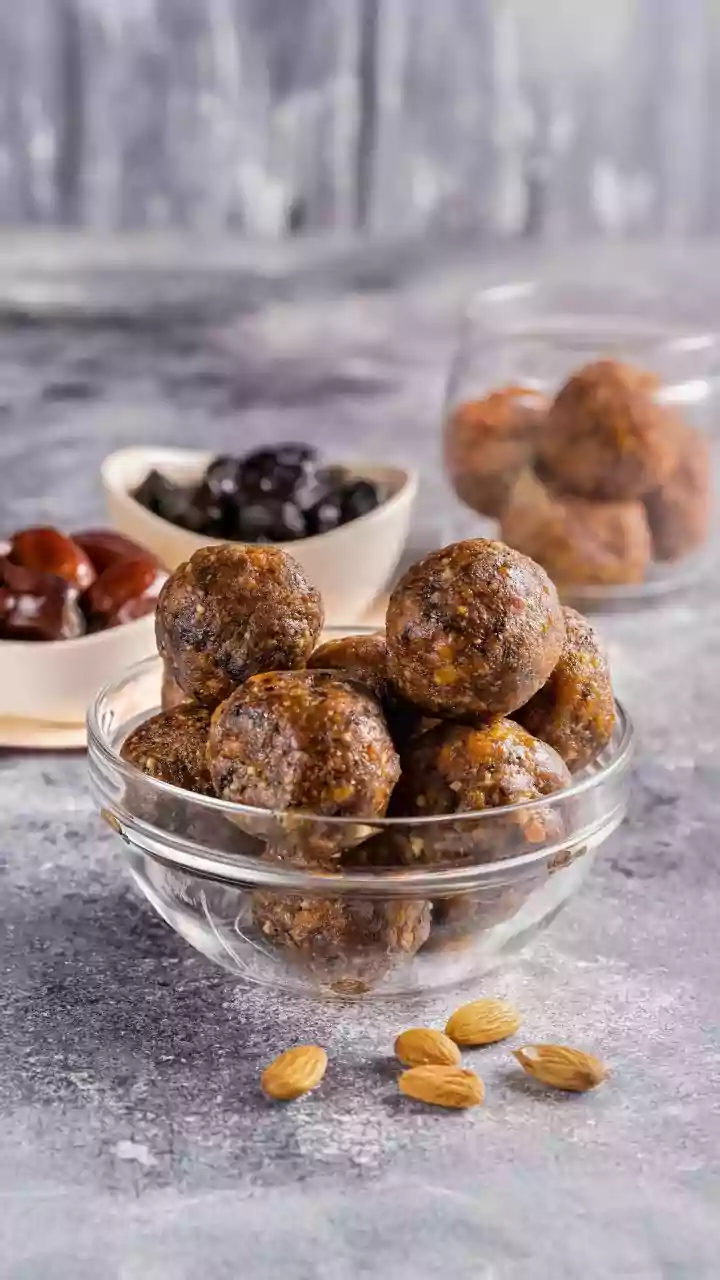
You don't need to overhaul your entire diet overnight. Small, consistent changes can make a huge difference. Start with these simple swaps: instead of a sugary cereal for breakfast, try oats with fruit and nuts. Swap packaged fruit juices and sodas for water, buttermilk (chaas), or unsweetened tea. For snacks, reach for a piece of fruit, a handful of nuts, or some plain yogurt instead of a bag of chips or biscuits. When you're making pasta, choose a sauce from a jar with minimal ingredients instead of a preservative-heavy ready-meal. These small decisions help you increase your intake of whole foods while naturally reducing UPFs.
Cooking More and Relying Less on Packets
One of the most effective ways to reduce UPF intake is to cook at home more often. This doesn't have to be complicated or time-consuming. Even simple home-cooked meals like dal-rice or khichdi are nutritionally superior to most ready-to-eat options. Try meal prepping on weekends—cook a big batch of a curry, boil some chickpeas, or chop vegetables so you have healthy components ready for quick meals during the busy week. Instead of relying on bottled sauces and dressings, which are often UPFs, experiment with making your own using olive oil, lemon, herbs, and spices. This puts you in complete control of what you're eating.
It's About Progress, Not Perfection
The goal is to reduce your reliance on UPFs, not to eliminate them entirely from your life. An all-or-nothing approach is often unrealistic and can lead to stress around food. It's perfectly fine to enjoy your favourite packaged snack occasionally. The key is awareness and moderation. Focus on making whole and minimally processed foods the foundation of your diet. By being mindful of what you're eating most of the time, you empower yourself to make better choices for your long-term health without feeling deprived. It's about building sustainable, healthy habits one small step at a time.