


A Refreshing Change on the Menu
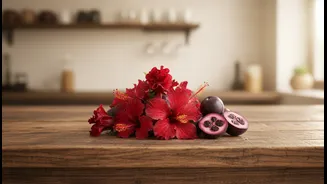
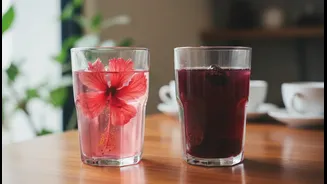
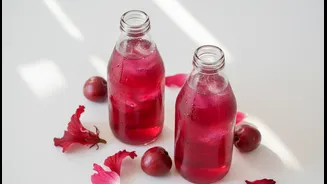
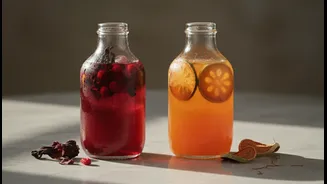
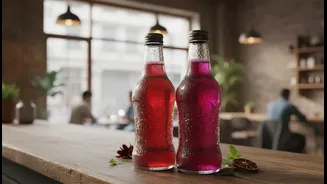
Walk into a trendy urban café today, and you'll notice the beverage menu looks a little different. Nestled among the familiar lattes and iced teas are striking, jewel-toned drinks that command attention. With the deep crimson of hibiscus and the rich
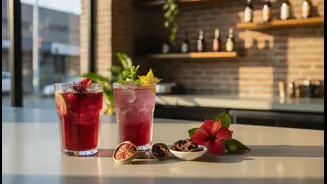
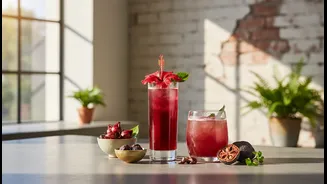
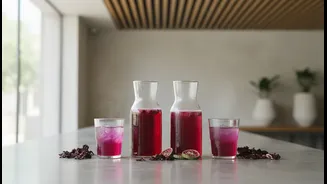
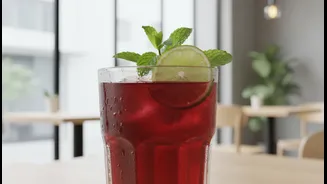
purple of kokum, these new artisanal sodas and sparkling coolers are more than just a passing fad; they represent a significant shift in India's beverage culture. These drinks offer a sophisticated, bubbly experience that moves away from overly sweet, mass-produced soft drinks. The flavour profile is often a complex balance of tart, floral, and subtly sweet notes, appealing to a palate that seeks refreshment without a sugar rush. This trend is a direct response to a growing consumer base, particularly Gen Z and millennials, who are adventurous with their tastes and actively seek out new and innovative options.
A Modern Twist on Ancient Ingredients
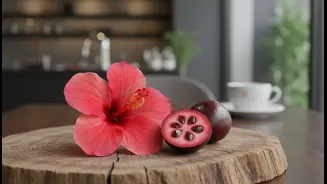
While these drinks may seem new, their core ingredients are deeply rooted in Indian tradition. Both hibiscus and kokum have been used for centuries in Indian homes and Ayurvedic medicine. Kokum, or Garcinia indica, is a fruit native to the Western Ghats and has long been a staple in Konkan and Goan cuisines, used to make cooling sharbats and the digestive drink Sol Kadhi. Similarly, hibiscus flowers, especially the red variety, have been steeped to make teas and health tonics for generations, valued for their soothing properties. What’s new is the context. Cafés are taking these familiar, trusted ingredients and giving them a modern, aspirational makeover. By carbonating them, blending them with other botanicals, and serving them in stylish glassware, they are reintroducing these traditional flavours to a younger audience who may not have encountered them in a traditional setting.
The Allure of Wellness
A major driver of this trend is the growing health consciousness among Indian consumers. Many are actively looking for healthier alternatives to conventional soft drinks, which are often high in refined sugar and artificial additives. Hibiscus and kokum fit perfectly into this wellness narrative. Kokum is renowned for its digestive, cooling, and antioxidant properties. Hibiscus is celebrated for being rich in Vitamin C and antioxidants, and studies have shown it can help lower blood pressure. Because these drinks are naturally flavourful and tart, they require less sugar to be palatable, aligning with the rising demand for low-sugar or naturally sweetened beverages. This 'health halo' makes them an easy choice for consumers who want to indulge in something special without compromising their wellness goals.
Made for the Social Media Age
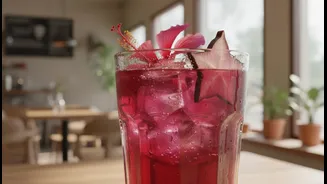
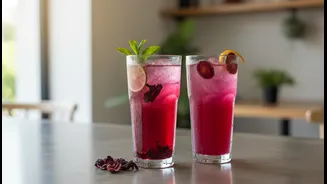
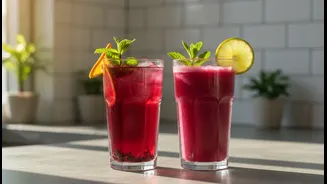
In today's café culture, a drink has to taste good, but it also has to look good. The visual appeal of these beverages is undeniable. The stunning, natural colours of hibiscus and kokum make for incredibly 'Instagrammable' drinks, perfectly suited for a generation that documents and shares its experiences online. A vibrant, sparkling drink isn't just a beverage; it's a lifestyle statement and a shareable moment. This visual allure is a powerful marketing tool for cafés, creating organic buzz and drawing in customers who want to see, taste, and post about the latest trend. The experience of drinking something beautiful and unique has become as important as the flavour itself.
Craft, Customisation, and Café Economics
For café owners, this trend is about more than just following a fad; it makes good business sense. Producing these artisanal sparkling drinks in-house allows for greater control over quality, flavour, and customisation. It enables them to create unique, signature beverages that can't be found elsewhere, setting them apart from the competition. Furthermore, these craft beverages often offer higher profit margins compared to pre-packaged drinks. The move towards locally sourced, indigenous ingredients also resonates with a broader trend of celebrating India's rich botanical and culinary heritage. By highlighting ingredients like kokum and hibiscus, cafés are not just selling a drink; they are selling a story of authenticity and local pride.