






A Return to the Roots
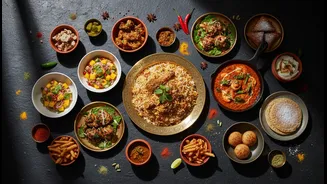
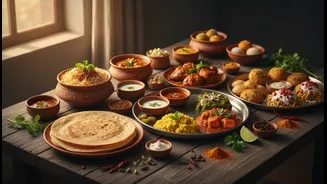
For years, the global perception of Indian cuisine has been a monolithic one, often reduced to a handful of North Indian staples like butter chicken and naan. But a new generation of chefs and diners is challenging that narrative. The most significant
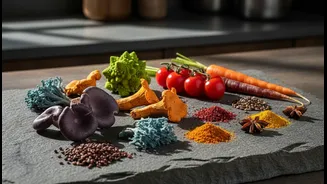
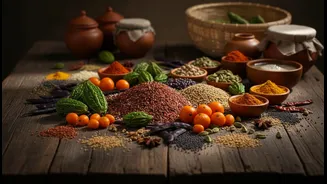
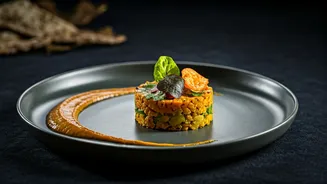
trend reshaping Indian dining is not a new spice or a foreign technique, but a turn inwards. It's a deep dive into the subcontinent's vast and varied culinary heritage, championing indigenous ingredients and hyper-regional cooking. This isn't just about reviving old recipes; it's about reinterpreting them with modern sensibilities, putting forgotten ingredients from Nagaland, Uttarakhand, or Bihar at the forefront of fine dining. Chefs are exploring every possible avenue to honour these ingredients, from nixtamalizing corn for masala papad to transforming prickly pear into a sophisticated sorbet.
The Power of Fermentation and Umami
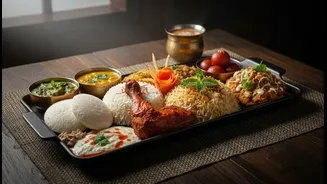
At the heart of this flavour revolution is the rediscovery of two ancient concepts: fermentation and umami. While fermentation has always been a cornerstone of Indian home cooking—think of dosa batter, pickles (achar), and curd—it is now being celebrated in high-end restaurants as a technique for creating complex, savoury depth. This practice naturally enhances a flavour profile that, while long present in Indian food, is only now being widely understood: umami. The so-called fifth taste, umami is a savoury, mouth-filling richness found in ingredients like tomatoes, tamarind, and fermented products. Techniques like the slow caramelisation of onions ('bhunao') and the use of fermented pastes and indigenous grains are being used to consciously build umami, creating dishes that are profoundly satisfying without relying on overpowering spice.
Celebrating Regional Identity
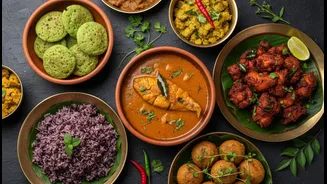
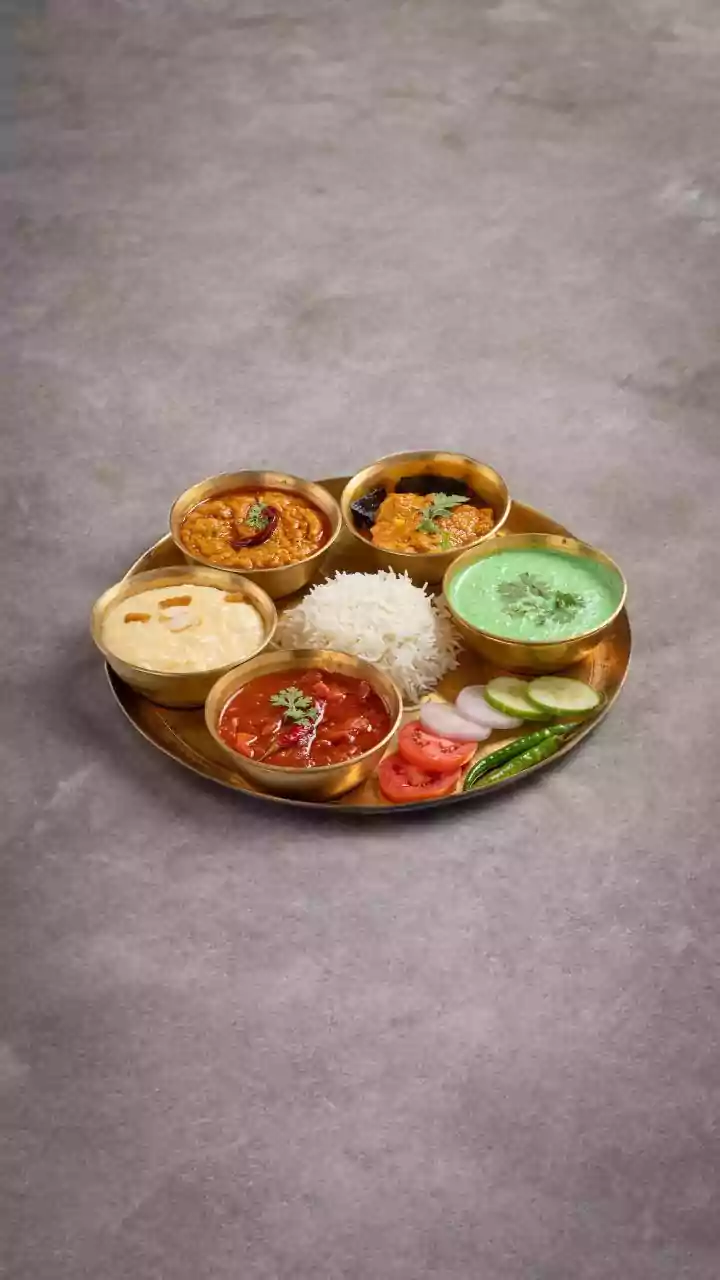
This new culinary movement is intensely local. The era of the generic "Indian" restaurant is giving way to a celebration of specific regional identities. In Goa, a restaurant might push the boundaries of South Indian coastal cuisine with a Jaffna chicken skewer, while a café in Gurgaon builds its menu around black rice from Nagaland and foraged fiddlehead ferns. Diners are increasingly curious about the stories behind their food, driving demand for the authentic, slow-cooked heritage of Awadhi cuisine or the specific clay-pot cooking traditions of Champaran mutton from Bihar. This shift is powered by a new generation of Indian consumers who are more exposed to global trends yet more rooted in their regional identity than ever before. They are seeking experiences that are both modern and deeply authentic.
Why Now? A Conscious Shift
Several factors are fuelling this trend. A rising consciousness around health and wellness has led diners to appreciate the gut-friendly benefits of fermented foods and the wholesome nature of traditional, plant-forward diets. There is also a growing sense of cultural pride, with chefs and restaurateurs acting as custodians of India's culinary heritage, documenting recipes and reviving regional practices. This farm-to-table movement also supports local farmers and prioritises sustainability, resonating with a more environmentally aware consumer base. Ultimately, diners are no longer choosing between indulgence and health, or tradition and modernity. They are seeking 'emotional duality' on their plates—the crave-worthy intensity of bold flavours combined with the comforting care of familiar, balanced, and authentic food.