




The Pothole Problem We All Know
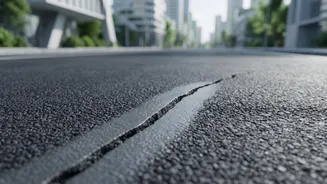
Potholes are more than just a nuisance; they are a costly and dangerous side effect of our aging infrastructure. From bent wheel rims and damaged tyres to serious road accidents, the impact of broken tarmac is significant. Every year, municipal bodies
and national authorities spend enormous sums on temporary patches and repeated repairs, a cycle that consumes resources, causes traffic disruption, and generates carbon emissions. This constant need for maintenance highlights a fundamental weakness in conventional asphalt, which degrades under the stress of heavy traffic, extreme weather, and temperature fluctuations.
How Does a Road Heal Itself?
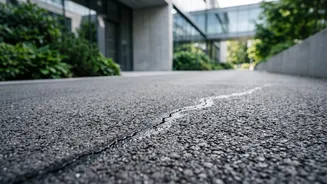
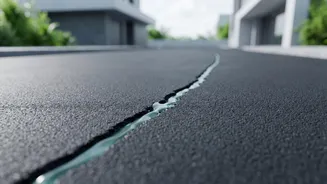
The concept of self-healing asphalt sounds like science fiction, but it's based on clever engineering. There are two main approaches being developed. The first involves embedding tiny capsules filled with a rejuvenating agent, sometimes a bio-oil like sunflower oil, directly into the asphalt mix. When a micro-crack forms, it breaks open the capsules, releasing the oil. This agent softens the surrounding bitumen binder, allowing it to flow and seal the gap before it grows into a pothole. The second popular method involves adding conductive materials like steel fibres or iron oxide nanoparticles to the asphalt. When a special maintenance vehicle passes over the road emitting a magnetic field, it heats these fibres through induction. This heat softens the asphalt just enough for it to fuse back together, closing any cracks. Both methods aim to fix damage at a microscopic level, long before it becomes a problem for drivers.
The 'Eco' in Eco-Binders
A key part of this innovation is the move towards sustainability. Traditional asphalt binder, bitumen, is a petroleum product. Researchers are developing 'eco-binders' and 'bio-binders' to replace it, using renewable and waste materials. These can be derived from sources like lignin (a natural binder from wood), agricultural waste, algae, or even used cooking oil. Using these sustainable materials not only reduces our dependence on fossil fuels but also lowers the carbon footprint of road construction. Some of these bio-based binders are designed to be carbon-negative, meaning they can lock carbon into the road surface over its lifetime, turning our highways into potential carbon sinks.
Benefits Beyond a Smoother Ride
The most obvious benefit is a dramatic reduction in potholes, leading to safer roads and fewer vehicle repairs. But the advantages run deeper. By extending the lifespan of a road—some studies suggest by as much as 30%—this technology can lead to massive long-term cost savings for governments and taxpayers. Fewer road closures for repairs mean less traffic congestion and reduced emissions from idling cars. It also enhances worker safety by decreasing the need for manual road repair crews to work in dangerous, high-traffic environments. Over time, these technologies promise a triple win: more durable roads, lower maintenance costs, and significant environmental benefits.
Is This Coming to an Indian Road Soon?
While the technology is incredibly promising, widespread adoption still faces hurdles. The primary challenge is the higher initial cost of these advanced materials compared to traditional asphalt. Specialised equipment, like induction heating vehicles, is also required for some methods. However, research and pilot projects are underway globally, including in the Netherlands and the UK. In India, where road conditions are particularly challenging due to heavy traffic and extreme weather like monsoons, the potential is immense. The National Highways Authority of India (NHAI) has reportedly been exploring the use of asphalt mixed with steel fibres to enable self-repair. As the technology matures and costs come down, the long-term savings and increased durability could make it a very attractive solution for India's rapidly expanding road network.