



The Shift Away from Dairy
For generations, the Indian palate has been accustomed to milky, sweet chai. While that tradition remains strong, a growing number of consumers are now seeking lighter, healthier, and dairy-free alternatives. This shift is driven by a greater awareness
of wellness, digestive health, and a desire for clean, natural ingredients. The Indian beverage market is seeing a surge in demand for functional and herbal drinks that offer benefits beyond simple refreshment. This is where mountain infusions, often called 'tisanes', are finding their moment. Naturally caffeine-free and brewed without milk or sugar, they align perfectly with modern wellness goals.
Sikkim's Floral Elixir: Rhododendron Tea
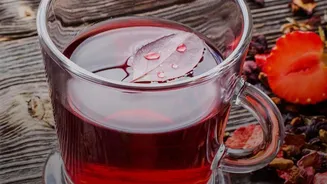
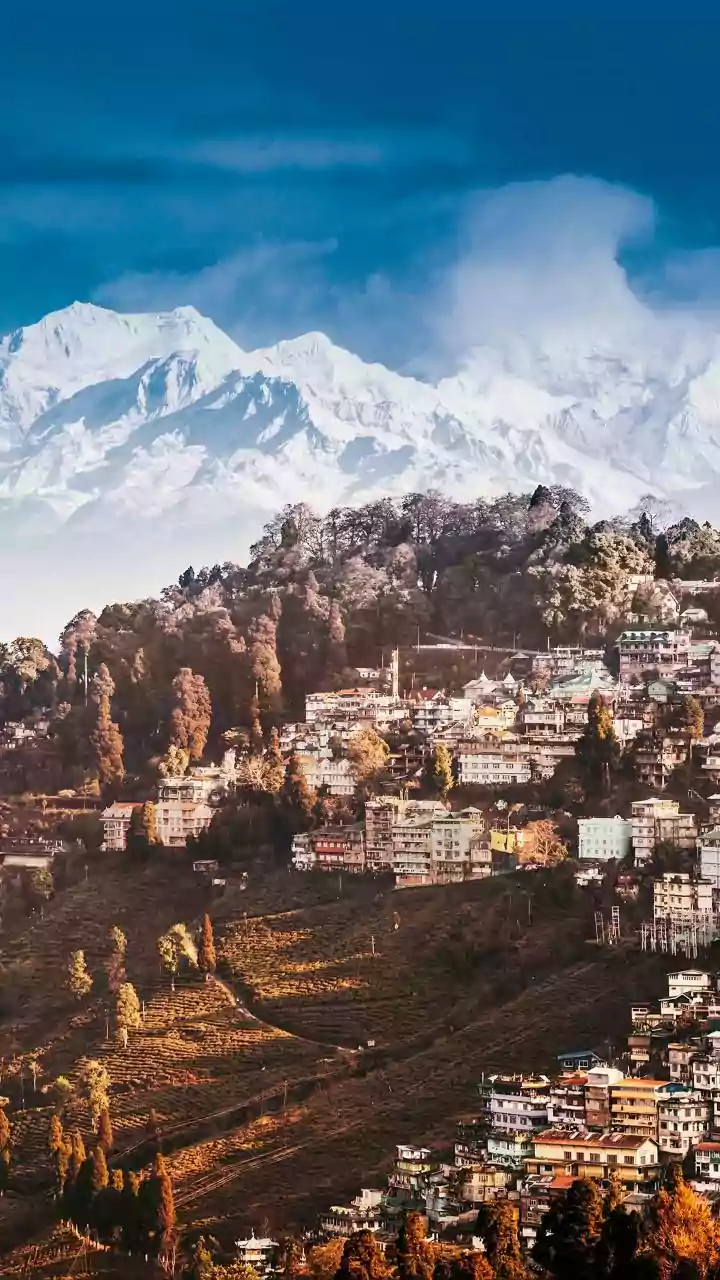
Sikkim, a state celebrated for its organic farming and breathtaking landscapes, offers one of the trend's most popular brews: rhododendron tea. Known locally as 'Buransh', this vibrant red flower blooms across the Himalayan hills in spring. The dried petals are steeped in hot water to create a fragrant, slightly sweet and tangy infusion. Traditionally, this tea is used in local communities to aid digestion, reduce inflammation, and soothe respiratory issues. Rich in antioxidants and flavonoids, it is now being appreciated by a wider audience for its unique flavour and potential health benefits, such as supporting heart health and boosting immunity.
Ladakh's 'Wonder Berry': Sea Buckthorn
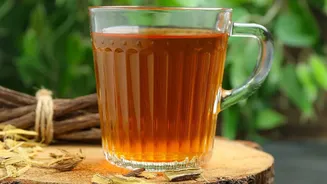
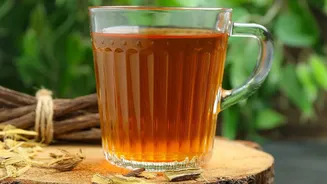
From the high-altitude cold deserts of Ladakh comes another hero ingredient: sea buckthorn. Locally known as the 'Leh Berry', this tiny, bright orange fruit is a nutritional powerhouse. For centuries, it has been a staple in traditional medicine across the Himalayan belt. The tea, made from its berries or leaves, has a distinctive tangy and fruity taste. Its popularity is soaring due to its incredible nutrient profile, which includes multiple vitamins, antioxidants, and the rare Omega-7 fatty acid. It is widely consumed to boost immunity, promote skin health, and provide a natural, caffeine-free energy lift, making it especially popular among tourists adjusting to high altitudes and now, with city dwellers seeking its 'superfood' status.
Why Are They Trending Now?
Several factors are contributing to the rise of these Himalayan infusions. The post-pandemic era has intensified the focus on immunity and natural wellness solutions. Consumers are increasingly interested in products with a clear and clean origin story, and the Himalayas offer an unparalleled narrative of purity and natural goodness. Furthermore, the trend of rediscovering and celebrating indigenous ingredients and traditional Indian wisdom plays a significant role. These vibrant, colourful teas are also highly 'Instagrammable', which has helped propel their popularity across social media platforms among a younger, trend-aware demographic. They represent a move away from mass-produced beverages towards something more authentic and mindful.
From Mountain Slopes to Urban Menus
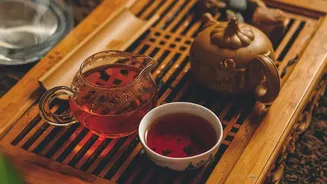
What was once a local secret is now becoming accessible across the country. Speciality tea brands and online stores have started curating and packaging these herbal infusions, bringing the authentic flavours of Sikkim and Ladakh to a national audience. Upscale cafes and wellness-focused restaurants in major cities are adding rhododendron and sea buckthorn teas to their menus, often presenting them as premium health beverages. This transition from local tradition to a commercial trend not only offers consumers new and exciting flavour experiences but also provides a sustainable livelihood for communities in these remote regions. By choosing these teas, consumers are not just making a health-conscious decision but also supporting local economies and preserving ancient traditions.