
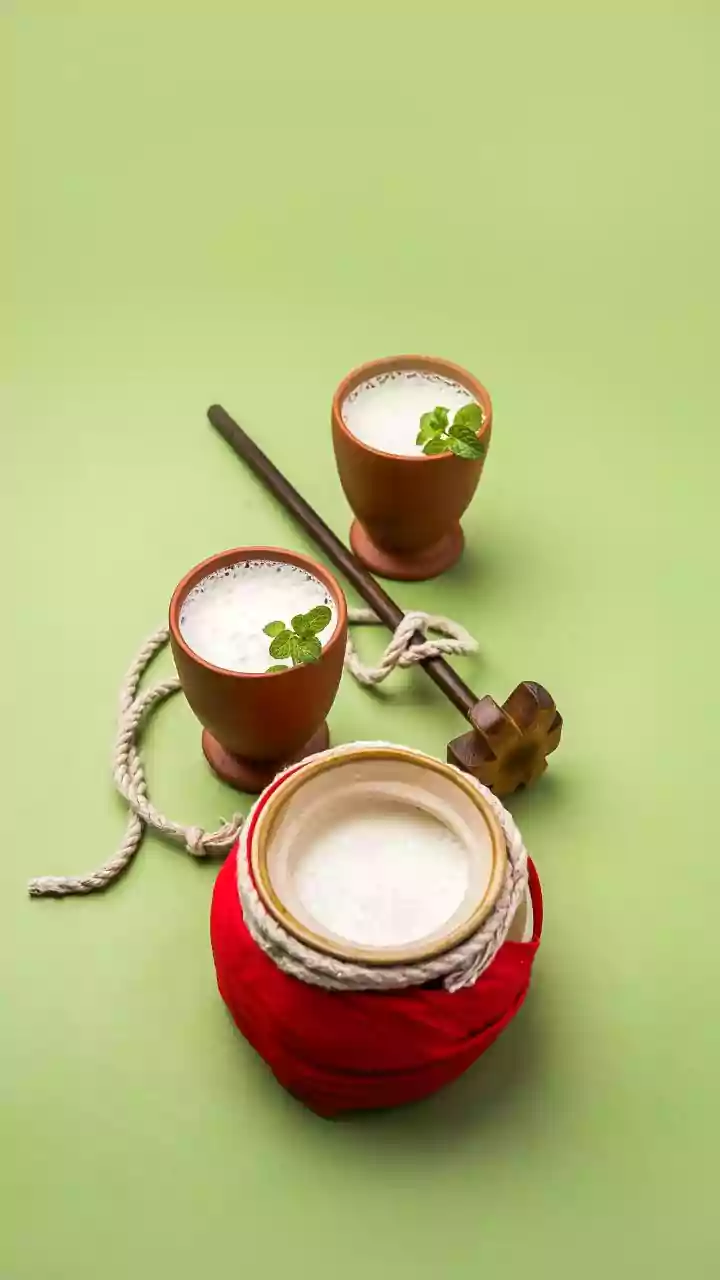
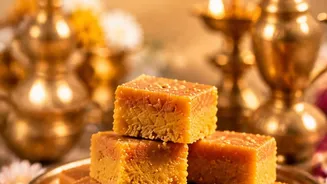

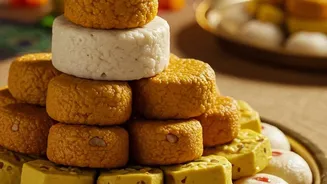
The aroma of roasting besan and melting jaggery is the scent of Diwali. Homemade sweets are the heart of the celebration, but planning can be daunting. Here’s how to organise your festive sweet menu for a delicious, stress-free celebration.
Plan Your Menu Like a Pro
A great Diwali
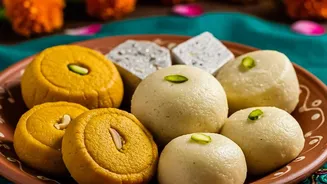
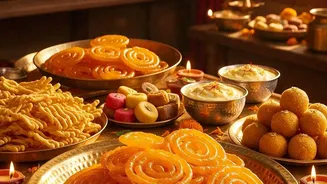
spread is all about balance. Before you start cooking, think about variety. Aim for a mix of textures and flavours. Plan to include a dry sweet like a ladoo, a milk-based one like barfi or peda, and perhaps a syrupy delight like gulab jamun. Consider the difficulty level and preparation time for each. Don't choose three complex recipes that all need last-minute attention. Instead, pair one elaborate, traditional sweet with two simpler, quicker options. A smart menu might feature Besan Ladoo, which requires patient roasting, alongside a quick 15-minute Coconut Barfi and a refreshing Kheer. This ensures your platter is diverse without overwhelming your kitchen schedule.
The Make-Ahead Heroes
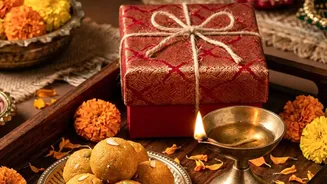
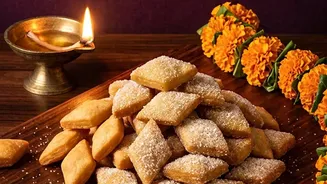
The key to a relaxed Diwali is preparing as much as possible in advance. Many classic mithai have an excellent shelf life. Ladoos made with roasted flour like Besan Ladoo or Atta Ladoo are perfect candidates for making a week ahead. Similarly, most barfis, such as Kaju Katli and Coconut Barfi, can be prepared days in advance and stored in airtight containers. Savoury-sweet snacks like Shankarpali also last for weeks. Focusing on these 'make-ahead heroes' frees up your time closer to the festival for other preparations and for enjoying the festivities with your family. Just let them cool completely before storing to maintain their texture.
Day-Of and Quick Delights
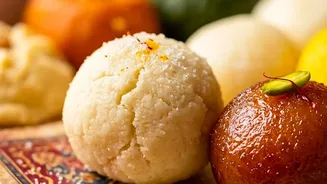
While some sweets are great for advance prep, others truly shine when served fresh. These are your 'day-of' delights that add a special, fresh touch to your menu. A warm halwa, like Suji Halwa or Gajar Ka Halwa, is a comforting and quick option to prepare. Kheer and Phirni are other excellent choices that are best served fresh and chilled. If you're short on time, instant recipes can be a lifesaver. A Kalakand made with condensed milk or quick Coconut Ladoos can be prepared in under 30 minutes, providing that homemade touch without the long hours. Breads like Gulab Jamun can be made ahead, but frying and soaking them on the day of serving gives them that irresistible melt-in-the-mouth quality.
Balancing the Festive Thali
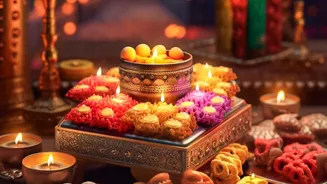
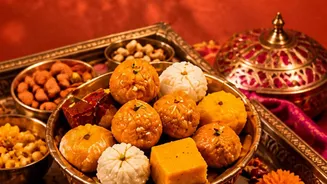
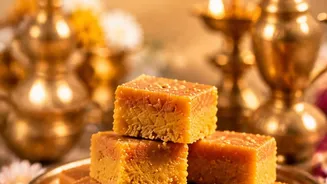
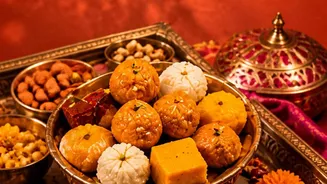
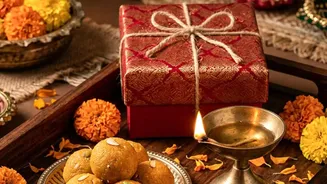
Once you have your sweets ready, presentation is key. A wellbalanced thali is visually appealing and offers a journey of tastes. Arrange your sweets to create contrast in colour and shape. Place a golden Besan Ladoo next to a diamondshaped Kaju Katli. Think about the eating experience. It's often best to pair a rich, gheeheavy sweet like Mysore Pak with something lighter and milkier, like Rasmalai or a simple Kheer. This balance prevents the palate from becoming overwhelmed. For gifting, consider the shelf life of the sweets you're including. Dry sweets like ladoos and barfis travel well and make excellent gifts for this reason.
Smart Storage for Lasting Freshness
Proper storage is crucial to ensure your hard work doesn't go to waste. Always let sweets cool completely to room temperature before packing them away; trapping steam creates moisture that can lead to spoilage. Use separate airtight containers for different types of sweets to prevent flavours from mixing and moisture from transferring. Dry, gheebased sweets like most ladoos and barfis should be stored in a cool, dry place away from sunlight. Refrigeration can sometimes harden them. Milkbased and syrupy sweets like Rasgulla, Rasmalai, and Kalakand, however, have a shorter shelf life and must be refrigerated. They will typically last for about 2–5 days in the fridge.