







Decoding Your 'Food Environment'
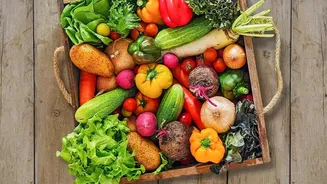
Before diving into the findings, it's important to understand what a 'food environment' is. It’s the physical, economic, and social space where you encounter and decide on food. This includes everything from the sabzi mandi and kirana stores in your locality
to the high-end supermarkets, fast-food chains, and even the food delivery apps on your phone. It’s not just about what’s available but also what is accessible, affordable, and promoted. An area rich with fresh fruit and vegetable vendors creates a very different food environment than one dominated by stores selling ultra-processed, packaged goods.
The Link to Chronic Disease
While the specific 'eight-city' study in the headline remains proprietary or not yet widely publicised, a growing mountain of global research points to the same conclusion: our food environments are powerful predictors of health outcomes. Numerous studies have established a clear connection between neighbourhood food options and non-communicable diseases (NCDs) like obesity, diabetes, and heart disease. Research shows that areas with a high prevalence of fast-food outlets and convenience stores, often called 'food swamps', are correlated with higher rates of these conditions. Conversely, better access to supermarkets selling fresh produce is linked to healthier diets and lower rates of obesity.
The Situation in Urban India
This global trend has profound implications for India, which is grappling with a dual burden of malnutrition and a sharp rise in NCDs. Urbanisation, rising incomes, and longer workdays have dramatically altered the food landscape in Indian cities. The convenience of processed foods and the rise of food delivery apps have made 'outside food' a daily norm for many, shifting diets away from traditional, home-cooked meals. This transition isn't just about convenience; it’s also tied to social aspiration and a desire for modernity. Studies in cities like Pune have shown that frequent consumption of food away from home is associated with a higher likelihood of having chronic health conditions. The Indian food environment is a complex mix of traditional informal networks—which are crucial for food access—and the rapid expansion of corporate-led retail and ultra-processed products.
Beyond Willpower: A Systemic Challenge
The key takeaway from this body of research is that healthy eating is not just a matter of individual willpower. When unhealthy options are cheaper, more convenient, and more heavily marketed, making the healthy choice becomes a constant uphill battle. One recent study found that the cheapest packaged foods often contain significantly more additives, sugar, and sodium than their more expensive counterparts, highlighting a nutrition inequity embedded in the food system. Experts argue that to drive meaningful change, individual education must be supported by broader policies that create healthier food environments for everyone. This includes everything from urban planning that encourages fresh food markets to regulations on the marketing of unhealthy foods.