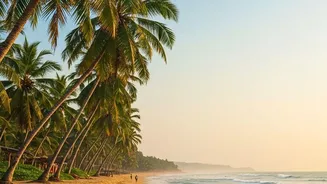

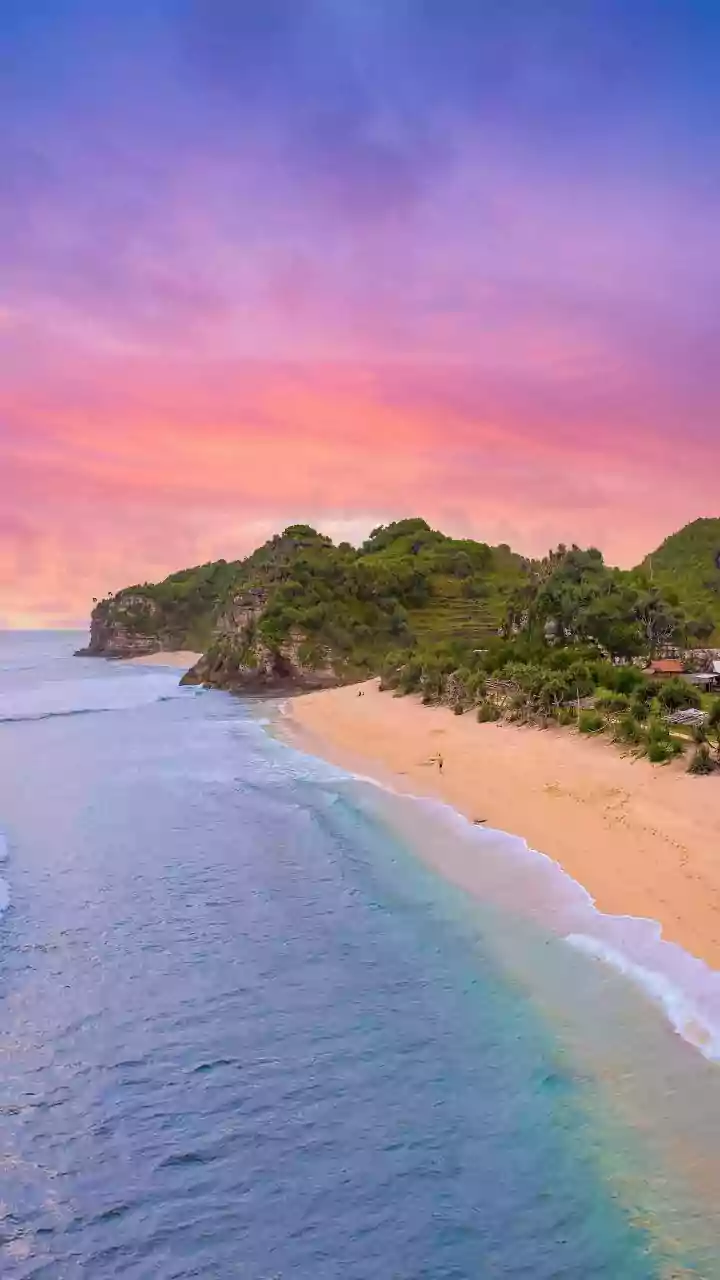

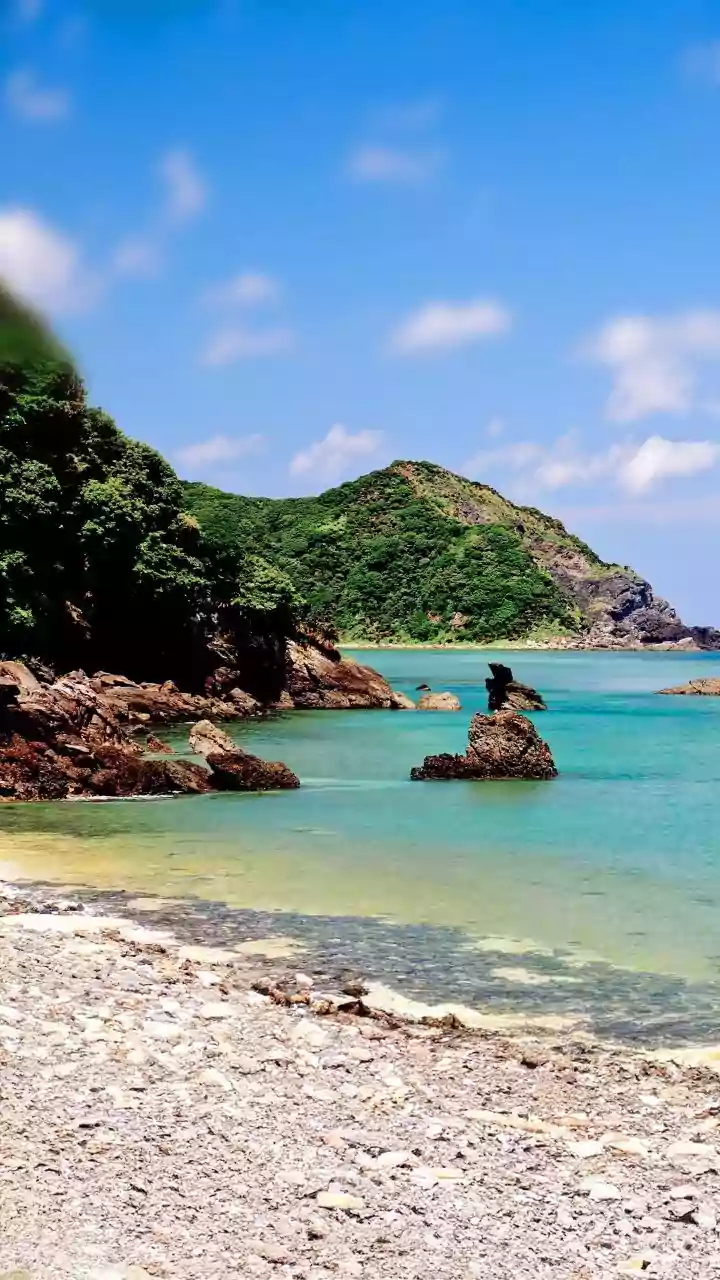

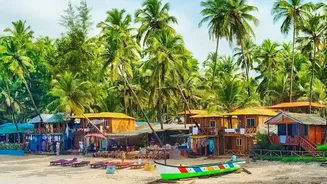
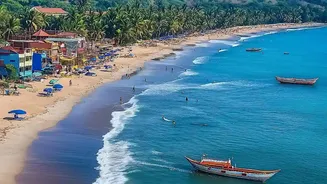
When you picture Goa, crowded shores and vibrant nightlife often come to mind. But beyond the well-trodden paths lie serene stretches of coastline, two of which are gaining recognition for their untouched beauty, best discovered one step at a time.
South Goa: The Quieter Alternative
While
North Goa pulses with energy, South Goa offers a different rhythm. It’s a region defined by lush paddy fields, sleepy villages, and a coastline that feels more intimate and undiscovered. For travellers seeking solitude over parties, the south delivers with beaches that prioritise natural beauty over commercial buzz. It is here, away from the mainstream, that you can find stretches of sand that feel like a personal secret, making it the perfect setting for a coastal adventure on foot.
First Stop: The Hidden Lagoon of Cola Beach
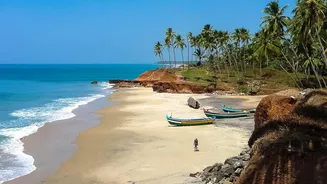
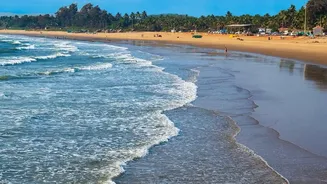
Cola Beach, sometimes called Khola Beach, is one of South Goa's most enchanting hidden gems. What makes it truly unique is not just its seclusion but the stunning freshwater lagoon that runs alongside the sea, separated only by a narrow strip of sand. This emerald-green lagoon, fed by a small river, offers a calm, freshwater swimming experience, a stark contrast to the powerful waves of the Arabian Sea just metres away. Reaching Cola is part of the adventure; a rough, unpaved road leads to a viewpoint, followed by a final descent to the shore, preserving its untouched and remote character. This natural barrier ensures the beach remains pristine and free from the overwhelming crowds found elsewhere.
The Walk from Agonda to Cola
For the more adventurous, the walk from the southern end of nearby Agonda Beach to Cola is a rewarding experience. The trek takes roughly an hour and involves navigating a mix of dirt tracks and forest paths over the headland that separates the two beaches. The trail climbs into the coastal hills, offering moments of rugged beauty and quiet contemplation. While the path can be challenging to find at times, with some sections overgrown, the journey through the arid landscape and patches of jungle culminates in a spectacular reveal as you descend towards Cola’s tranquil shore. It's a walk that truly makes you feel like you've earned your time in paradise.
Next on the Trail: Historic Cabo de Rama
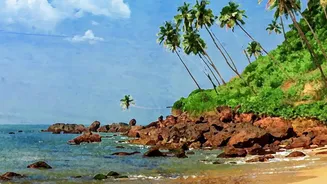
Further north lies another coastal marvel, Cabo de Rama. Named after Lord Rama, who is said to have sought refuge here during his exile, the area is dominated by a dramatic, sea-facing fort. Below the ancient ramparts sits Cabo de Rama Beach, a wild and beautiful stretch of sand accessed via a steep path from the cliffs. The beach itself is a picture of serenity, with clean greenish-blue waters and groves of palm trees. Its relative isolation means it’s often sparsely populated, making it an ideal spot for visitors seeking peace and quiet amidst a setting rich with history and mythology.
A Walk Through History: The Fort Trail
The coastal walk around Cabo de Rama is less about the beach and more about the breathtaking clifftop views from the fort itself. This historic structure, one of the oldest in Goa, offers panoramic vistas of the Arabian Sea and the coastline stretching for miles. A trek here involves exploring the weathered fort walls, ancient cannons, and the still-active church of Santo Antonio within its grounds. From the fort, several trails lead along the rugged headlands, taking you through cashew groves and dense forest patches before descending towards hidden coves and the secluded Kaikola beach. This 7-8 km trek is a journey through both nature and time, offering a profound connection to Goa’s landscape.
Planning Your Coastal Adventure
Exploring these quieter corners of Goa on foot requires some preparation. The best time to undertake these walks is between November and February, when the weather is cooler and more pleasant. Sturdy walking shoes are essential, as the terrain can be rocky and uneven. Always carry plenty of water, sunscreen, and a hat, as shade can be sparse along the trails. While guides are available for more structured treks, independent exploration is possible for those with a good sense of direction. Remember that public transport to these remote spots is limited, so renting a scooter or car is the most practical option for reaching the starting points of your walks.