




The Engine and the Fuel
Artificial Intelligence is often discussed in terms of sophisticated algorithms and groundbreaking applications, but at its core, it's a game of brute force. AI models, especially the large language and generative models making headlines, are incredibly
hungry for two things: data (the fuel) and computing power (the engine). Training a single advanced AI model requires processing massive datasets, a task that demands immense computational resources, specifically high-performance Graphics Processing Units (GPUs). This process is not just a one-time effort; running these models for everyday applications, known as inference, also requires significant and constant computing power. Without a robust and accessible foundation of both, the most brilliant AI concepts remain just that—concepts.
The Compute Capacity Challenge
For India, the most significant bottleneck is the availability of domestic high-performance computing (HPC) infrastructure. Historically, Indian startups and researchers have had to rely on expensive cloud services from overseas providers, leading to issues with cost, latency, and data sovereignty. Recognizing this gap, the government launched the IndiaAI Mission in March 2024, a comprehensive plan with a budget of over ₹10,300 crore. A central pillar of this mission is to establish a massive, scalable AI computing infrastructure, aiming to deploy over 10,000 GPUs through public-private partnerships. This initiative seeks to democratize access to computing, offering 'AI-as-a-service' to startups, researchers, and students who would otherwise be priced out. The goal is to create 'compute sovereignty', reducing dependency on foreign infrastructure and ensuring Indian innovators have the tools they need to compete globally.
More Than Just Speed
While India has made enormous strides in internet access, with nearly a billion active users, the quality of that connection is now under the microscope. AI applications are far more demanding than web browsing or streaming video. They require not just high download speeds, but also massive upload capacity and ultra-low latency—the delay in data making a round trip. As users interact with AI assistants, generate images, or use AI-powered business tools, they are constantly sending data upstream. A recent report found that while India's 5G download speeds are competitive, the network falls into the bottom tier globally on upload speeds and latency, two metrics crucial for AI performance. The constant data flow from AI agents is already straining networks, making upgrades to optical fiber networks and other high-capacity links a strategic imperative.
The Data Center Boom
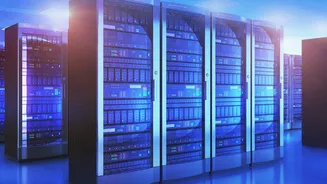
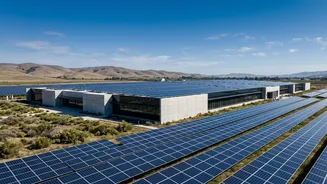
All this computing power and data traffic needs a physical home. Data centers—secure facilities that house servers, storage, and networking equipment—are the physical foundation of the AI revolution. India is currently witnessing a data center construction boom, with massive investments from global tech giants and domestic players alike. However, the country faces a significant gap. Despite generating a huge portion of the world's data, India holds a disproportionately small percentage of global data center capacity. Furthermore, building and operating these facilities presents challenges, including securing consistent power and addressing water scarcity for cooling systems. Successfully expanding this data center footprint is non-negotiable for supporting AI-driven growth across sectors like healthcare, finance, and agriculture.