




The New Lunar Mission: More Than Just Rockets
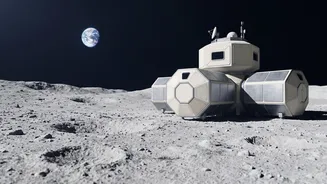
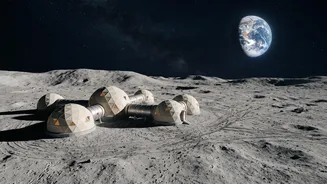
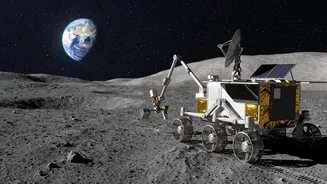
NASA's Artemis program is a multi-billion dollar initiative aimed at landing astronauts, including the first woman, on the Moon's south pole and building a long-term outpost. This isn't a solo mission. It involves a complex web of international partners
and private companies building everything from rockets and spacecraft to habitats and software. India became the 27th signatory to the Artemis Accords, a set of principles for peaceful and cooperative space exploration. This move signals a strategic shift, integrating India's burgeoning space sector into the global framework and paving the way for deeper collaboration.
The Real Talent Gap: Beyond Astronauts
While astronauts capture the headlines, the vast majority of jobs in the space industry are on the ground. The Artemis program and the broader space economy have created a talent shortage, particularly for experienced engineers and technicians. The demand extends far beyond traditional aerospace engineering. Companies are desperately seeking software developers, systems engineers, data scientists, cybersecurity experts, supply chain managers, and project managers. Professionals with expertise in AI, robotics, composite materials, and advanced manufacturing are especially sought after to solve the complex challenges of lunar exploration and habitation.
Navigating the Pathways: Direct vs. Contractor Roles
It's a common misconception that all space jobs require working directly for NASA. As a U.S. federal agency, NASA primarily hires American citizens for its civil service roles. However, the majority of the work is done by a massive ecosystem of contractor and subcontractor companies. These private firms, from giants like Lockheed Martin and Boeing to specialised startups, often have more flexibility in hiring foreign nationals, though roles may still be subject to export control regulations like ITAR (International Traffic in Arms Regulations). For Indian professionals, this private sector is the most accessible and opportunity-rich pathway into the U.S. space industry. Universities and research-focused nonprofits involved in NASA projects also frequently hire international talent.
The 'ISRO Effect' and India's Advantage
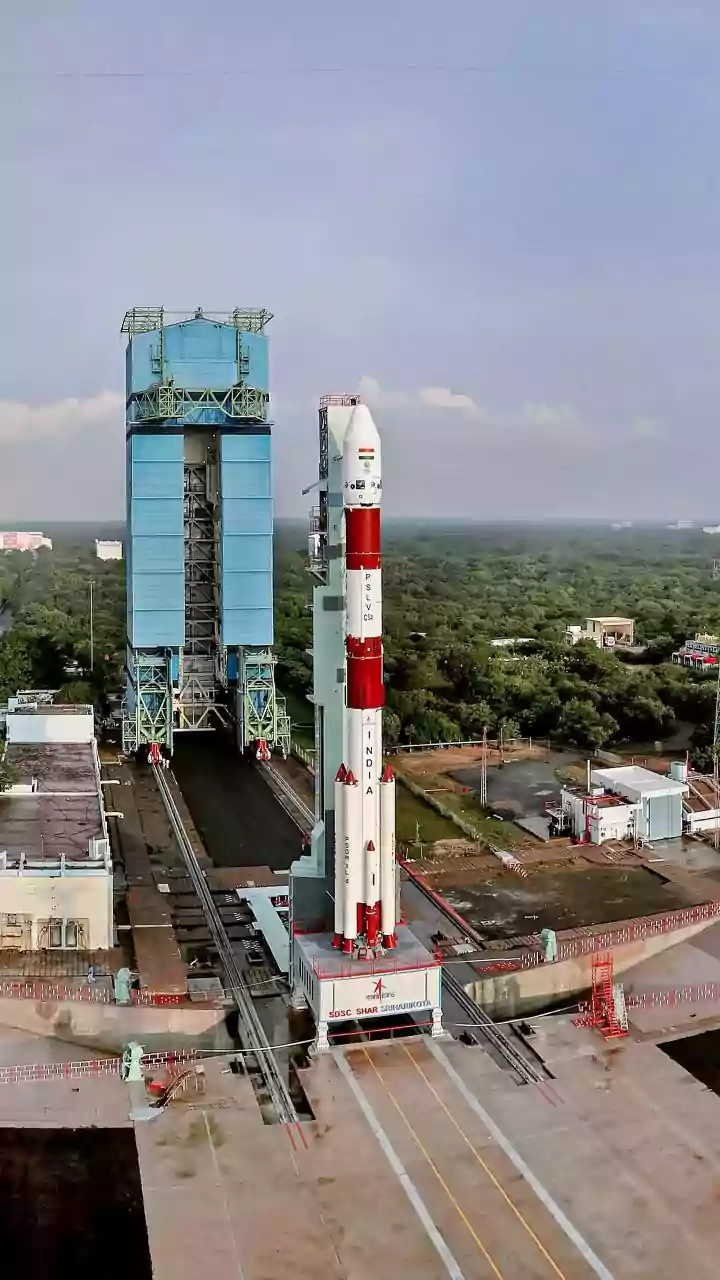
India's own impressive space achievements, spearheaded by ISRO, have created a deep pool of talent with relevant skills and experience. The success of missions like Chandrayaan and the development of the Gaganyaan human spaceflight program give Indian professionals a unique edge. By joining the Artemis Accords, India is ensuring that its technology and personnel are aligned with global standards, making collaboration smoother. This partnership is already bearing fruit, with NASA and ISRO collaborating on a joint mission to the International Space Station and NASA inviting ISRO to participate in its Moon Base program. This high-level cooperation creates a ripple effect, boosting opportunities for Indian private space players and professionals.
How to Position Yourself for Success
For Indian professionals aspiring to join this global endeavour, strategic positioning is key. Pursuing higher education, such as a Master's or PhD, in the United States at a university with strong NASA ties can provide a direct path to internships and research roles on NASA-funded projects. Building a strong portfolio in high-demand fields like software engineering, data analytics, systems engineering, or avionics is crucial. Networking is also vital; engaging with professionals on platforms like LinkedIn and attending industry conferences can uncover opportunities. Aspiring candidates should actively monitor the career pages of NASA's prime contractors, as that's where the bulk of the hiring occurs. Ultimately, becoming a U.S. permanent resident (Green Card holder) removes many of the barriers related to export controls and opens up a much wider range of roles.