






What Exactly Is Ambali?
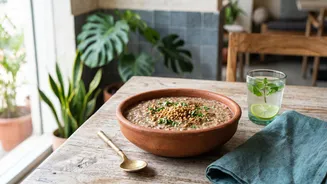
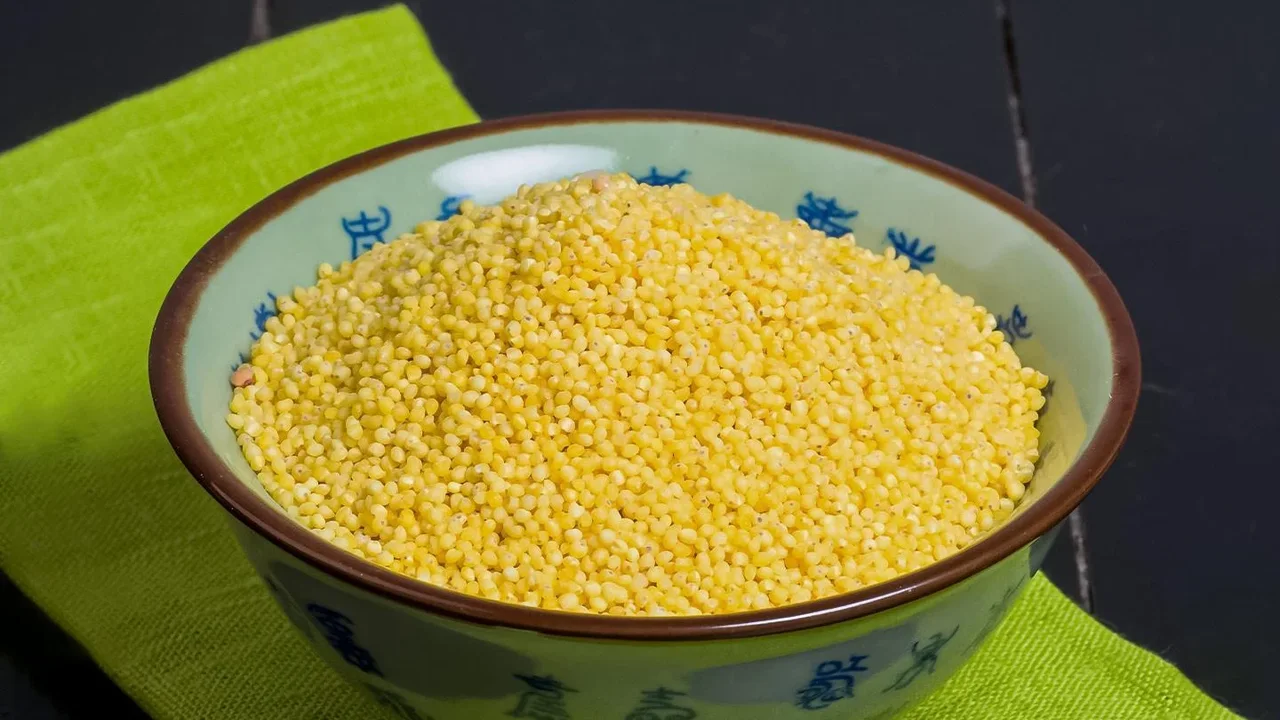
Ambali, also known as Ragi Java or Ragi Ambli, is a traditional fermented porridge or drink made from finger millet (ragi) flour. Originating in the southern states of Karnataka, Andhra Pradesh, and Telangana, its preparation is simple yet profound. Ragi flour is cooked
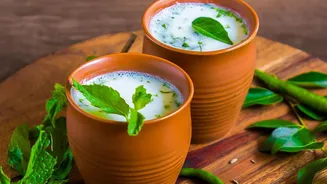
into a gruel and then left to ferment, typically overnight. This natural fermentation process gives the drink its characteristic mild, tangy flavour and a smooth, earthy texture. Traditionally, it is served in two ways: a savoury version mixed with buttermilk, salt, and spices like chopped onions and curry leaves, or a sweet version with jaggery. For centuries, it has been a staple food for farmers and labourers, valued as an inexpensive, hydrating, and energy-giving meal.
A Legacy of Rural Sustenance
Long before 'superfood' became a buzzword, Ambali was a functional meal rooted in ancestral wisdom. Consumed at dawn, its slow-releasing energy was perfect for fuelling long, strenuous days of physical work under the hot sun. Its natural cooling properties made it an essential part of the summer diet, helping to combat heat and prevent dehydration. In many rural communities, this nourishing gruel was the original breakfast drink, a source of vital nutrients, and the first food given to babies after breastfeeding. Its importance is deeply woven into the cultural fabric of South India, representing a connection to the land and a reliance on wholesome, locally grown grains.
The Probiotic Powerhouse
The magic of Ambali's modern resurgence lies in one key process: fermentation. When the cooked ragi gruel is left to ferment, it becomes a thriving ecosystem of beneficial bacteria, primarily Lactobacillus cultures similar to those found in yoghurt. These natural probiotics are essential for maintaining a healthy gut microbiome, which aids digestion and can help reduce inflammation. The fermentation process also works to break down phytic acid, an anti-nutrient found in grains that can block mineral absorption. This makes the abundant calcium and iron in ragi significantly more bioavailable, meaning the body can absorb and use these vital nutrients more effectively.
From Farm to Cafe Table
So how did this rustic farmer's drink land on the menus of chic urban cafes? The trend is driven by a powerful convergence of modern wellness movements. There's a growing global interest in gut health and fermented foods like kombucha and kefir; Ambali is India’s own traditional answer to this demand. A collective desire to 'go back to our roots' has also sparked a renewed appreciation for indigenous grains and ancestral recipes. As health-conscious urban diners actively seek out gluten-free, natural, and nutrient-dense alternatives to processed foods, Ambali fits the bill perfectly. It’s a drink that tells a compelling story of tradition, sustainability, and science-backed wellness benefits.
The Modern Makeover
While the soul of Ambali remains traditional, its city avatar has received a contemporary upgrade. In wellness cafes, you might find it served not in a simple steel tumbler, but in a chilled glass, garnished with fresh mint or infused with new flavours like avocado and cucumber. This modern presentation makes the drink more approachable and visually appealing to a younger, urban audience that values both authenticity and aesthetics. The revival of Ambali is part of a larger, exciting trend where traditional Indian foods are being rediscovered and celebrated, proving that the wisdom of the past has a firm place in the future of wellness.