







Embrace 'Exercise Snacking'
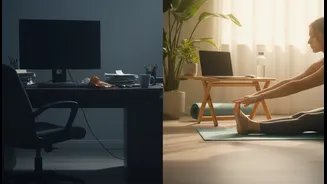
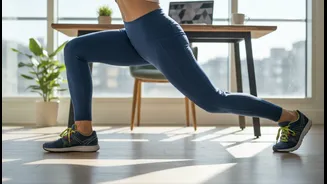
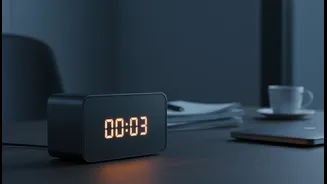
The concept of 'exercise snacking' involves breaking up your physical activity into small, manageable bites throughout the day. Instead of one long session, you engage in short bursts of movement. Research shows that even three-minute movement breaks
every half hour can help stabilize blood sugar and reduce cholesterol. Set a timer on your phone or calendar to remind yourself to stand up, stretch, or walk around for a few minutes every hour. This consistent activity helps counteract the metabolic slowdown that occurs from prolonged sitting.
Make Your Desk a Mini-Gym
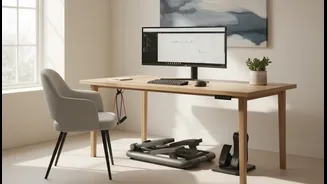
Your workstation itself can be a tool for fitness. When you have a few moments, try some simple exercises. Desk push-ups are a great way to work your chest and shoulders; simply place your hands on the edge of a sturdy desk, step your feet back, and lower your chest towards it for a few repetitions. Chair squats, where you stand up and lower yourself until you're just above your seat before rising again, are excellent for your legs and glutes. You can also perform tricep dips using the edge of a stable chair or desk. These movements keep your muscles engaged and blood flowing.
Master Simple Seated Stretches
You don't even need to stand up to fight stiffness. To combat 'tech neck', gently roll your head from side to side and forward and back. Shoulder rolls, where you lift your shoulders towards your ears and roll them back and down, can relieve tension in your upper back. For your torso, try seated oblique twists: sit on the edge of your chair and gently twist your upper body from side to side. Finally, simple hand and finger stretches can relieve strain from typing.
Turn Idle Time into Active Time
Look for opportunities to move during moments you would otherwise spend sitting still. While on a phone call, stand up and pace around the room. If you're waiting for a document to print or a file to download, use that time to do a few standing calf raises. This involves simply rising onto your tiptoes, holding for a moment, and lowering back down. You can also try simple isometric exercises, like pressing your palms together in front of your chest and holding to engage your upper body, or pressing your knees outward against your hands to work your thighs.
Re-engineer Your Work Habits
Small changes to your daily routine can add up significantly. Instead of sending an email or message to a colleague in the same building, walk over to their desk to talk. Take the stairs instead of the elevator whenever possible. When you need to refill your water bottle, consider using a smaller bottle so you have to get up more frequently, or walk to a water cooler on a different floor. These small trips break up long periods of sitting and contribute to your daily step count.
Adopt the Walking Meeting
For one-on-one check-ins or brainstorming sessions, suggest a walking meeting. This change of scenery can boost creativity and engagement while getting both you and your colleague out of your chairs. It’s an effective way to combine productivity with physical activity. If a walking meeting isn't possible, simply standing during meetings can be a beneficial alternative. Normalizing movement as part of the work culture benefits everyone.