
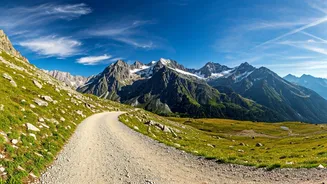


A New Adventure Frontier
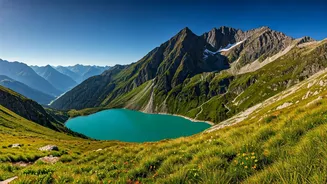
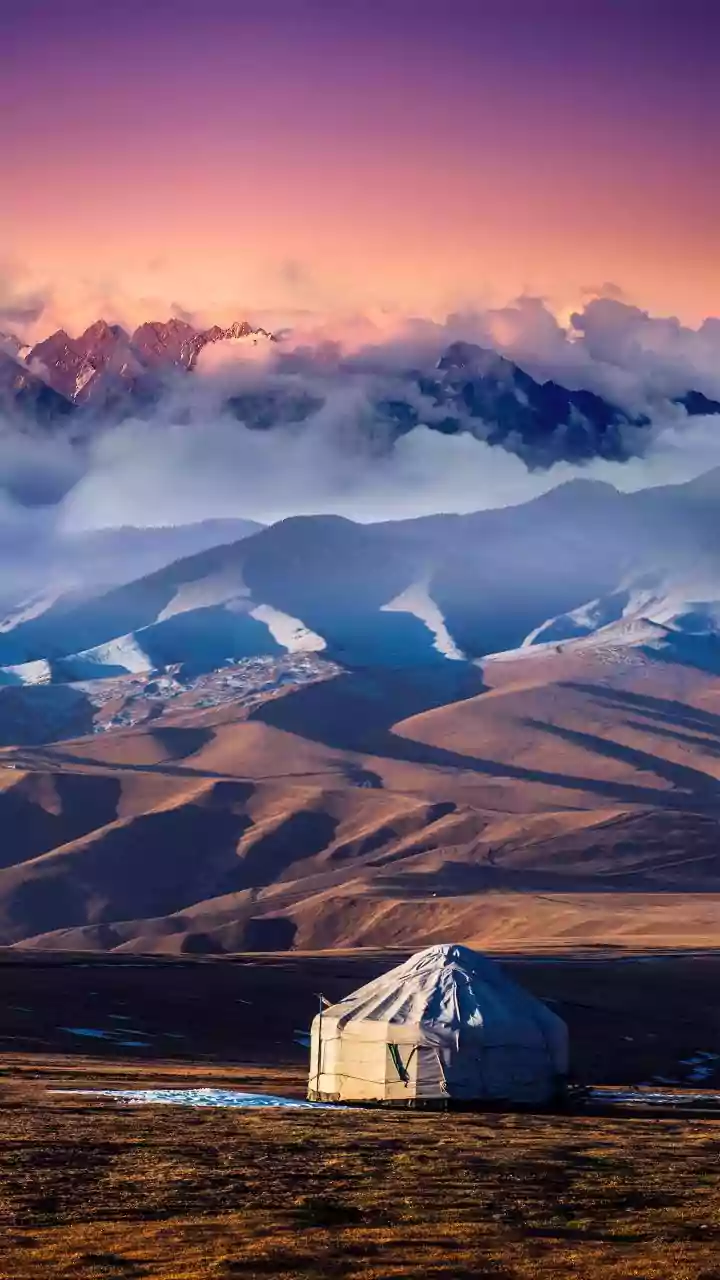
Scroll through Instagram or YouTube, and you might notice a shift in the geography of wanderlust. The usual European cityscapes and Southeast Asian beaches are now competing with stunning images of turquoise alpine lakes, vast green valleys, and nomadic
yurts under starry skies. This is Kyrgyzstan, and for a growing number of young Indians, it represents the perfect travel equation: high adventure, low cost, and major bragging rights. This isn't just about a handful of backpackers; travel agencies are reporting a noticeable uptick in inquiries and bookings from the 18-35 demographic for Central Asia, with Kyrgyzstan leading the charge. It signals a move away from cookie-cutter tourism towards something more raw, authentic, and deeply personal.
The Visa-Free Advantage
The single biggest catalyst for this trend is a simple but powerful piece of policy: Kyrgyzstan offers 30-day visa-free entry for Indian passport holders. This decision has effectively rolled out the welcome mat, removing the tedious and often expensive process of visa applications that can deter spontaneous travel. For a generation accustomed to instant gratification, the ability to book a flight and simply go is a massive draw. It puts Kyrgyzstan in the same accessibility bracket as countries like Thailand or the Maldives, but with a completely different flavour of experience. This logistical ease reduces the barrier to entry, making a trip to the 'Switzerland of Central Asia' as easy to plan as a domestic holiday.
Maximum Experience, Minimum Cost
This is where the 'value-driven' aspect comes into play. A trip to Kyrgyzstan offers an astonishing return on investment. Flights from major Indian cities like Delhi to Bishkek, the capital, are increasingly competitive. Once there, the costs are refreshingly low. A bed in a traditional yurt camp near the spectacular Song-Kul Lake might cost less than a coffee in a European capital. Hearty local meals of 'plov' (rice pilaf) or 'lagman' (hand-pulled noodles) can be had for a few hundred rupees. Activities that would cost a fortune elsewhere—like multi-day horse treks through the mountains or hiking in pristine national parks like Ala Archa—are remarkably affordable. For young professionals and students on a budget, this means they can have a rich, multi-week experience for what a few days in a more traditional destination might cost.
Beyond the Tourist Trail
What are these travellers doing? They are embracing the country’s well-established network of Community-Based Tourism (CBT). This model allows visitors to stay with local families in their homes or yurts, eat home-cooked meals, and experience the semi-nomadic lifestyle firsthand. It’s a far cry from the impersonal nature of a large hotel chain. A typical trip might involve landing in Bishkek, then heading east to the enormous Issyk-Kul Lake, a high-altitude body of water that never freezes. From there, they might go horse trekking in the hills around Karakol or venture to the remote, otherworldly landscapes of Song-Kul. It’s a trip defined by nature, hospitality, and a sense of genuine discovery—a powerful antidote to the over-tourism seen elsewhere.
A New Kind of Traveller
The popularity of Kyrgyzstan is not an isolated phenomenon. It reflects a broader maturation of the young Indian traveller. Armed with information from the internet and inspired by a new wave of travel creators, they are more curious, confident, and discerning. They are looking for stories, not just selfies. The interest in Kyrgyzstan is part of a larger curiosity about the 'Stans'—Uzbekistan, Kazakhstan, and Tajikistan are also appearing on travel radars. This generation is less interested in ticking off a checklist of famous monuments and more focused on the quality and authenticity of the experience itself. They are proving that a world-class adventure doesn't require a trust fund, just a sense of curiosity and a passport.