




The Search for Authentic Flavours
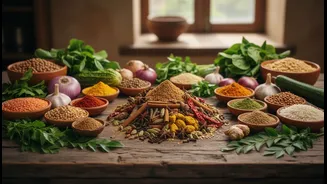
In the bustling food scene of urban India, a distinct movement is taking shape. After years of looking outward for culinary inspiration, a new wave of chefs and mixologists is turning inward. They are exploring the subcontinent's vast and diverse pantry
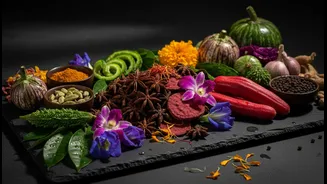
to unearth ingredients that offer novelty, complexity, and a deep sense of place. This trend is about more than just 'farm-to-table'; it’s a rediscovery of heritage. The term 'craft botanical' refers to any substance derived from a plant—be it a flower, root, leaf, or fruit—that is used for its distinct flavour, aroma, or functional properties. This shift is driving ingredients that were once confined to regional home kitchens into the spotlight of contemporary fine dining. Chefs are finding that these indigenous plants provide a palette of tastes that are both unique and authentically Indian, moving beyond the standard roster of spices to create something new yet deeply rooted.
The Kokum Renaissance
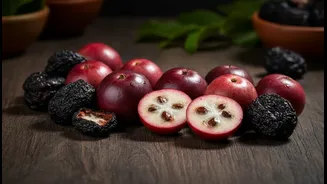
At the forefront of this movement is kokum (Garcinia indica), a deep purple fruit native to the Western Ghats. Traditionally used in Konkan and Maharashtrian cuisines, kokum is prized for its sharp, tangy flavour and cooling properties. Often sold as a dried rind, it imparts a unique sweet-and-sour taste and a beautiful pinkish-purple hue to dishes, acting as a souring agent much like tamarind but with a richer, less aggressive profile. For centuries, it has been the star of humble preparations like Sol Kadhi, a refreshing coconut milk-based drink, and various fish curries. Beyond its culinary uses, kokum is valued in Ayurveda for its digestive, anti-inflammatory, and antioxidant benefits. This combination of a complex flavour profile and wellness credentials makes it the perfect candidate for a modern makeover.
From Traditional Curries to Craft Cocktails
Today’s creative chefs are taking kokum far beyond its traditional applications. In the hands of an innovative mixologist, kokum concentrate becomes the base for a sophisticated cocktail, its tartness balancing the sweetness of other ingredients to create a uniquely Indian drink that is both refreshing and complex. Some restaurants are crafting signature kokum-based sauces to serve with grilled meats or crispy appetisers. Its natural acidity can cut through richness, while its fruity notes add an unexpected brightness. You might find it infused into a vinaigrette for a salad, used to cure fish, or even providing a tangy counterpoint in a dessert. This versatility allows chefs to add a layer of authentic Indian flavour that feels both nostalgic and entirely contemporary, delighting diners who are eager for new taste experiences grounded in familiar traditions.
Why Now? A Taste of Identity and Wellness
Several factors are fuelling the rise of botanicals like kokum. Firstly, there is a growing consumer demand for authenticity and traceability. Urban diners are increasingly interested in the story behind their food and are drawn to ingredients with a strong regional identity. Secondly, the wellness movement has put a spotlight on ingredients with perceived health benefits, and kokum, rich in antioxidants and known for its digestive properties, fits the bill perfectly. This aligns with the 'food-as-medicine' concept, where ingredients are valued not just for taste but also for their positive health impact. Finally, for chefs, these botanicals are a source of inspiration, offering a way to innovate and differentiate their menus while championing sustainability and local biodiversity. By using ingredients like kokum, they are not just creating delicious food; they are helping to define and evolve modern Indian cuisine.