

The Gut: Our Inner Universe
Before venturing into the cosmos, it's crucial to understand the universe within us. The human digestive system is more than just a food processor; it's a complex ecosystem teeming with trillions of microbes, collectively known as the gut microbiome.
These microorganisms are essential for breaking down food, producing vital nutrients, and regulating our immune system. A healthy, balanced gut is a cornerstone of overall well-being, influencing everything from our metabolism and bone health to our mood. When this delicate balance is disrupted—a state called dysbiosis—it can lead to a cascade of health issues, including inflammation, reduced immunity, and metabolic problems. For astronauts, maintaining this internal harmony millions of kilometres from Earth is a monumental task.
The Problem with Zero Gravity
On Earth, gravity is an unsung hero of digestion, helping move food through our system. In the microgravity of space, this fundamental force is absent. As a result, the entire digestive process slows down. Food moves more sluggishly through the intestines, a phenomenon that has been linked to one of the most common complaints among astronauts: constipation. Recent research analyzing blood samples from International Space Station (ISS) astronauts confirmed this slowdown. Scientists found that because food lingers longer in the gut, microbes exhaust the available carbohydrates and begin fermenting proteins instead. This process creates byproducts that can have negative health consequences and provides biochemical proof that digestion is fundamentally altered in space.
A Barrage of Cosmic Radiation
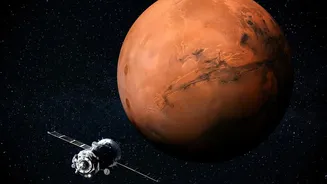
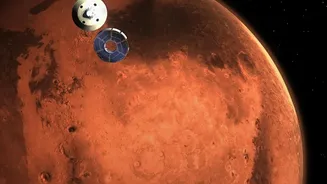
A trip to Mars would take astronauts outside Earth's protective magnetosphere, exposing them to constant, high-energy galactic cosmic radiation (GCR). This is a far more significant threat than the radiation experienced in low-Earth orbit. Studies using animal models to simulate deep-space radiation have raised serious concerns. This exposure can directly damage the tissues of the gastrointestinal (GI) tract, leading to long-term functional problems and an increased risk of developing tumours in the stomach and colon. The radiation can cause cellular damage, leading to inflammation and impairing the gut's ability to absorb nutrients properly. Furthermore, radiation has been shown to alter the composition of the gut microbiome, potentially suppressing the immune system at a time when astronauts need it most.
The Spaceflight Diet and Stress
Life on a long-duration mission involves other significant stressors. The pre-packaged, shelf-stable diet, while designed to be nutritious, is inherently different from fresh food on Earth. The lower fiber intake, for instance, can negatively affect the gut microbiome. Studies have also noted that astronauts often experience a reduced appetite, especially during the initial phase of space motion sickness, leading to a negative energy balance and weight loss. Beyond the physical, the psychological stress of confinement, isolation, and the demanding nature of the mission can also take a toll. Stress is known to impact gut health, creating a feedback loop where physical discomfort can exacerbate mental strain, and vice versa.
Forging a Path Forward
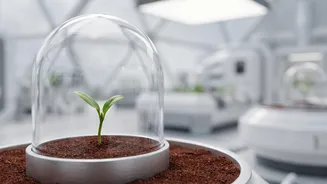
Recognizing these challenges, space agencies like NASA are actively researching countermeasures. One promising area is optimizing astronaut diets. Researchers are exploring increasing the intake of specific types of carbohydrates to ensure gut microbes have a steady food source, potentially reducing the problematic protein fermentation. Another key strategy involves the use of prebiotics and probiotics—dietary supplements that can help maintain a healthy gut microbiome. By fostering beneficial bacteria, these supplements could help mitigate some of the negative effects of spaceflight, from immune suppression to metabolic changes. Ongoing research, including studies on astronauts aboard the ISS, continues to provide critical data that will help develop the right nutritional and medical strategies to protect our explorers on their journey to the Red Planet and beyond.