



Why These New Labels Are Appearing
For years, understanding the nutritional content of packaged food meant flipping the product over and trying to decipher a complicated panel of numbers and percentages. Responding to public health concerns and a directive from the Supreme Court, the Food
Safety and Standards Authority of India (FSSAI) is introducing a simpler system. The goal of this Front-of-Pack Labelling (FoPL) initiative is to provide a clear, at-a-glance warning about products that contain excessive amounts of fat, sugar, and salt. This move aims to empower consumers to quickly identify foods that may contribute to health issues like obesity and diabetes, making it easier to make informed decisions without needing a nutrition degree.
Decoding the Red Hexagon
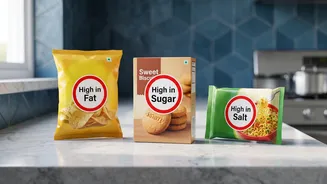
The new warning system is designed to be impossible to miss. Keep an eye out for a distinct red hexagon located on the upper-left corner of the front of a food package. Inside this symbol, you will find simple, direct text such as "HIGH SUGAR," "HIGH FAT," or "HIGH SALT". This is a significant shift from a previously considered star-rating system. The new proposal states that a product will carry this warning even if it crosses the threshold for just one of these nutrients. If a product is high in more than one, for instance, both salt and fat, both will be mentioned together inside the same red hexagon.
What Does 'High In' Actually Mean?
The terms "high fat," "high sugar," and "high salt" are not arbitrary. The thresholds for these warnings are scientifically determined and based on the Dietary Guidelines for Indians, 2024, which were developed by the prestigious Indian Council of Medical Research-National Institute of Nutrition (ICMR-NIN). These guidelines establish the recommended daily intake of various nutrients. If a packaged food product contains fat, sugar, or salt beyond a certain percentage of this recommended daily value per serving, it will be required to display the warning label. This scientific backing ensures the labels are a reliable indicator, helping you compare products and manage your family's intake of these key nutrients.
Which Foods Will Have These Labels?
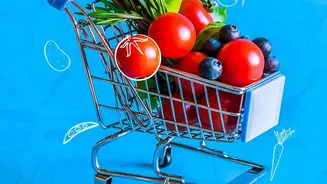
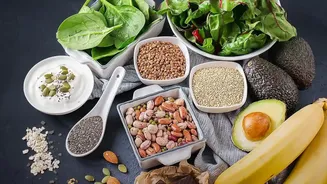
The new rules will apply to a wide range of pre-packaged foods, from snacks and biscuits to ready-to-eat meals and sugary drinks. However, not every item in the supermarket will carry these labels. FSSAI has proposed exemptions for certain categories of food. These include raw agricultural produce like fresh fruits and vegetables. Single-ingredient products, where the fat, sugar, or salt is inherent, are also exempt; this includes items like honey, jaggery, pure ghee, table salt, and vegetable oil. Minimally processed foods, such as dals, millets, and ground spices, will not require the warning labels either. The focus is primarily on processed and ultra-processed foods where fat, sugar, and salt are added during manufacturing.
How to Use This Information at the Store
Think of these labels as a simple tool to guide your choices. The next time you are deciding between two brands of chips, instant noodles, or cookies, a quick glance at the front of the pack can tell you a lot. If one product has a "HIGH SALT" warning and the other does not, you can make an instant, healthier swap. These labels help you see past marketing claims like "fortified with vitamins" or "made with whole grains," which might otherwise distract from high levels of unhealthy ingredients. By paying attention to the red hexagon, you can prioritise products with better nutritional profiles and take an active role in managing your health through your diet.