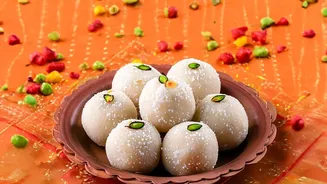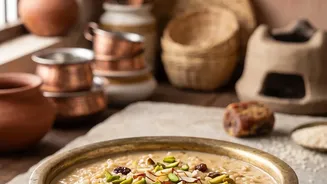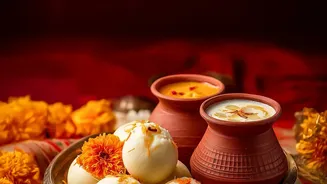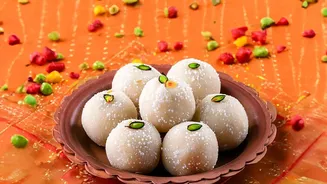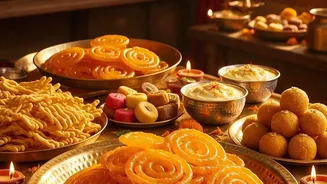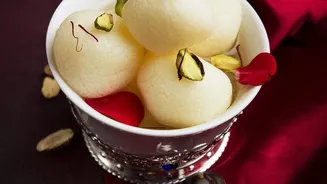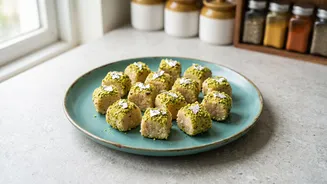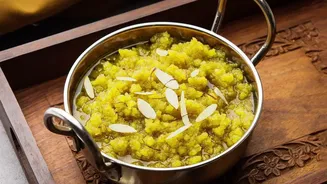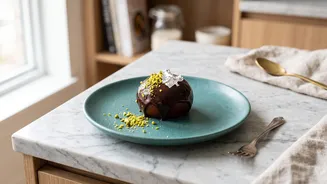


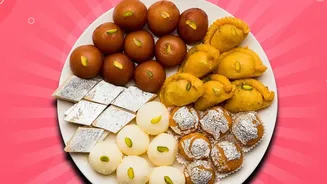
What do you serve at a celebration? The comforting gulab jamun that reminds you of festivals past, or a trendy cheesecake? Urban Indian households are increasingly refusing to choose, creating a delicious new middle ground.
The Sweet Spot Between Nostalgia and Novelty
At the heart of this trend is a desire
to connect with tradition in a modern context. Flavours like cardamom, saffron, rose, and pistachio are deeply woven into the Indian palate, evoking memories of festivals and family gatherings. By infusing these familiar tastes into Western dessert formats like cheesecakes, tiramisu, or crème brûlée, home cooks and bakers are creating something that feels both new and deeply personal. A Gulab Jamun Cheesecake isn't just a dessert; it's a conversation between generations. It allows for the comfort of a known flavour—the syrupy sweetness of gulab jamun—while embracing the creamy, refined texture of a cheesecake. This fusion balances nostalgia with curiosity, offering a taste of the past in a form that is exciting for the present. It’s a way to keep culinary heritage alive and relevant for a new generation.
Convenience is the Secret Ingredient
Let's be practical: life in urban India is busier than ever. Long commutes and demanding work schedules leave little time for the elaborate, multi-step processes required for many traditional Indian sweets. This is where commercial confectionery and ready-to-use products come in. Using a store-bought cake mix, a packet of biscuits for a crust, or even ready-made gulab jamuns significantly cuts down on prep time. The Indian ready-to-cook market is expanding rapidly, driven by this exact need for time-efficient solutions that don't compromise on the feeling of a 'homemade' meal. This blend isn't about shortcuts out of laziness; it's a smart adaptation. It allows busy individuals and families to participate in the joy of creating and sharing festive treats without the pressure of starting everything from scratch. It is a modern approach to convenience, where certain steps are automated to reclaim time.
A Feast for the Eyes and the Instagram Feed
In the age of social media, we eat with our eyes first, and fusion desserts are incredibly photogenic. A Rasmalai Tiramisu or a Thandai Mousse is visually striking, combining layers, textures, and colours in a way that is perfect for an Instagram reel or a blog post. Platforms like Instagram and Pinterest have become powerful drivers of food trends in India, turning home cooks into influencers and making certain dishes go viral overnight. The visual appeal of these fusion creations—often adorned with rose petals, chopped pistachios, or delicate saffron strands—makes them aspirational yet achievable. This digital validation encourages more people to experiment in their own kitchens, sharing their creations and contributing to a dynamic and evolving food culture. A successful post can turn a niche dessert into a nationwide craze.
Reflecting a Modern Indian Identity
Ultimately, this culinary trend is about more than just food; it's a reflection of a contemporary Indian identity. Many urban Indians navigate a world where they are deeply rooted in their culture while simultaneously engaging with global trends. The fusion dessert is an edible metaphor for this hybrid existence. It rejects the binary choice between being 'Indian' or 'Western' and instead celebrates a confident 'both'. By combining a Gajar Halwa with a crumble tart or infusing masala chai spices into a crème brûlée, creators are making a statement: that traditions can evolve without being erased. They are asserting a culinary identity that is creative, adaptable, and unafraid to experiment, mirroring the broader cultural shifts happening across the country.