


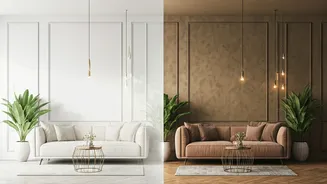


The Great Grey Saturation
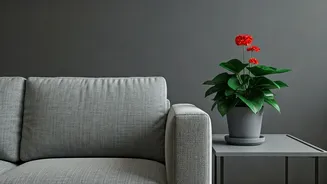
Remember when every modern home, chic cafe, and corporate office was a sea of grey? From slate-coloured sofas to greige walls, the shade became the undisputed king of neutrals in the 2010s. It was the colour of Scandinavian simplicity and minimalist efficiency.
Grey offered a clean, sophisticated backdrop that was easy to work with and felt undeniably modern. It was a safe bet, a versatile canvas that promised a calm and uncluttered space. However, after years of living in what sometimes felt like beautifully designed, yet emotionally sterile, environments, a collective fatigue has set in. What once felt chic can now feel cold, impersonal, and a bit too reminiscent of a concrete jungle, especially when we're spending more time than ever within our own four walls.
Why We're Seeking Comfort in Colour
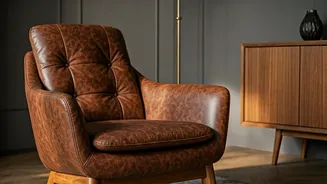
This shift isn't just a random swing of the design pendulum; it's a psychological one. The global experience of the last few years has fundamentally changed our relationship with our homes. We no longer just want a space that looks good on Instagram; we need a sanctuary that feels good to live in. This is where warm browns come in. These hues are inherently grounding. They connect us to the natural world — think rich soil, sturdy tree bark, warm sand, and worn leather. This concept, known as biophilic design, is about strengthening our connection to nature indoors to improve our well-being. Browns evoke feelings of stability, security, and warmth. They're nurturing colours that encourage us to slow down, relax, and feel held by our surroundings. It's a move away from aesthetic perfection and towards authentic, lived-in comfort.
The New Spectrum of Brown
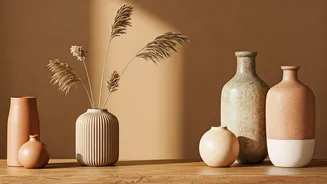
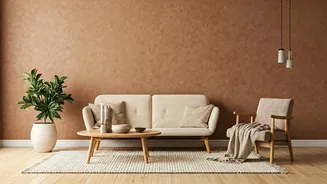
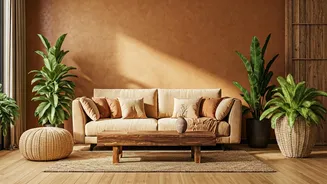
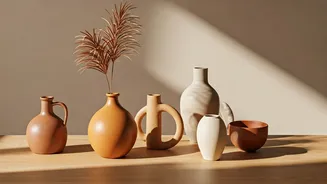
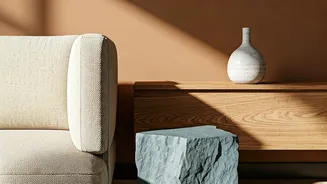
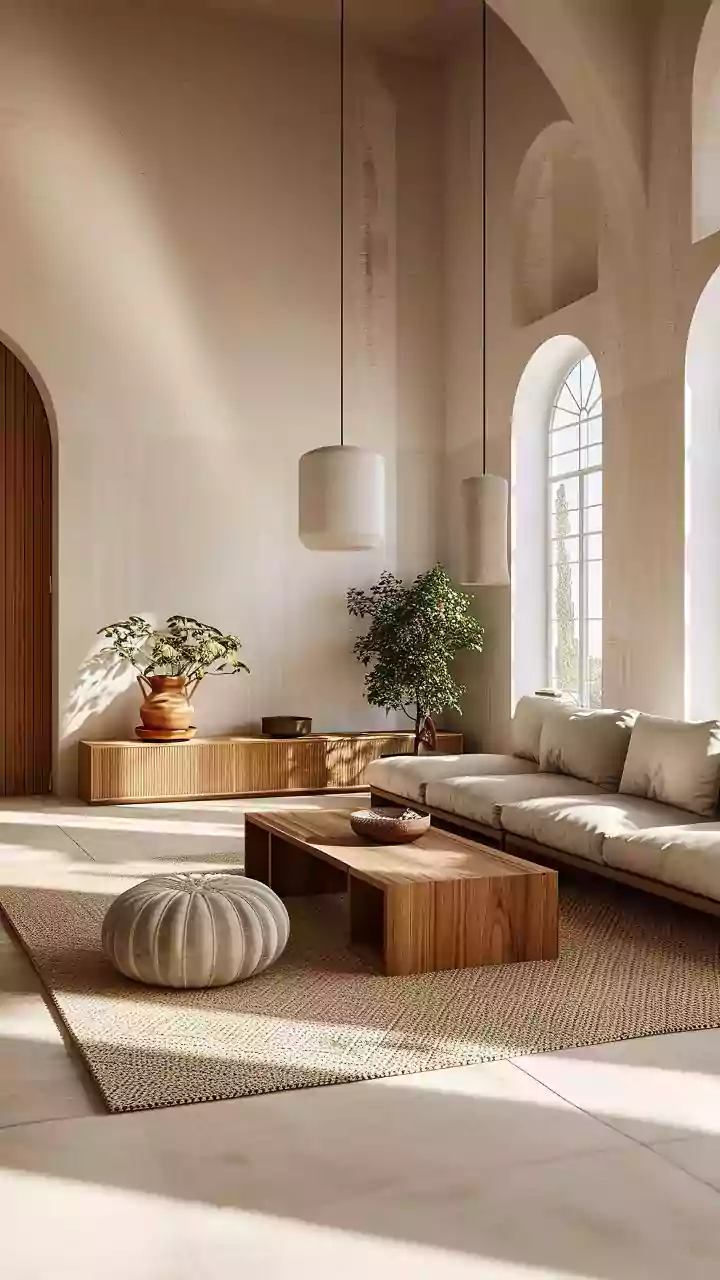
Before you have flashbacks to the dark, wood-panelled living rooms of the 1970s, let's be clear: today's brown is different. It’s not about a single, heavy shade but a rich and diverse palette. We're seeing everything from soft, sandy beiges and muted mushroom tones to rich caramels, spicy terracottas, and deep, luxurious chocolates. The key is layering these tones to create depth and sophistication. A caramel-coloured sofa paired with a light beige wall and a dark chocolate-brown accent chair feels complex and inviting. These new browns are designed to be paired with lots of texture — think nubby bouclé fabrics, natural jute rugs, smooth wooden furniture, and soft linen curtains. It's this combination of warm colour and tactile materials that creates a truly enveloping and high-end feel.
How to Bring Warmth Home (Without Repainting Everything)
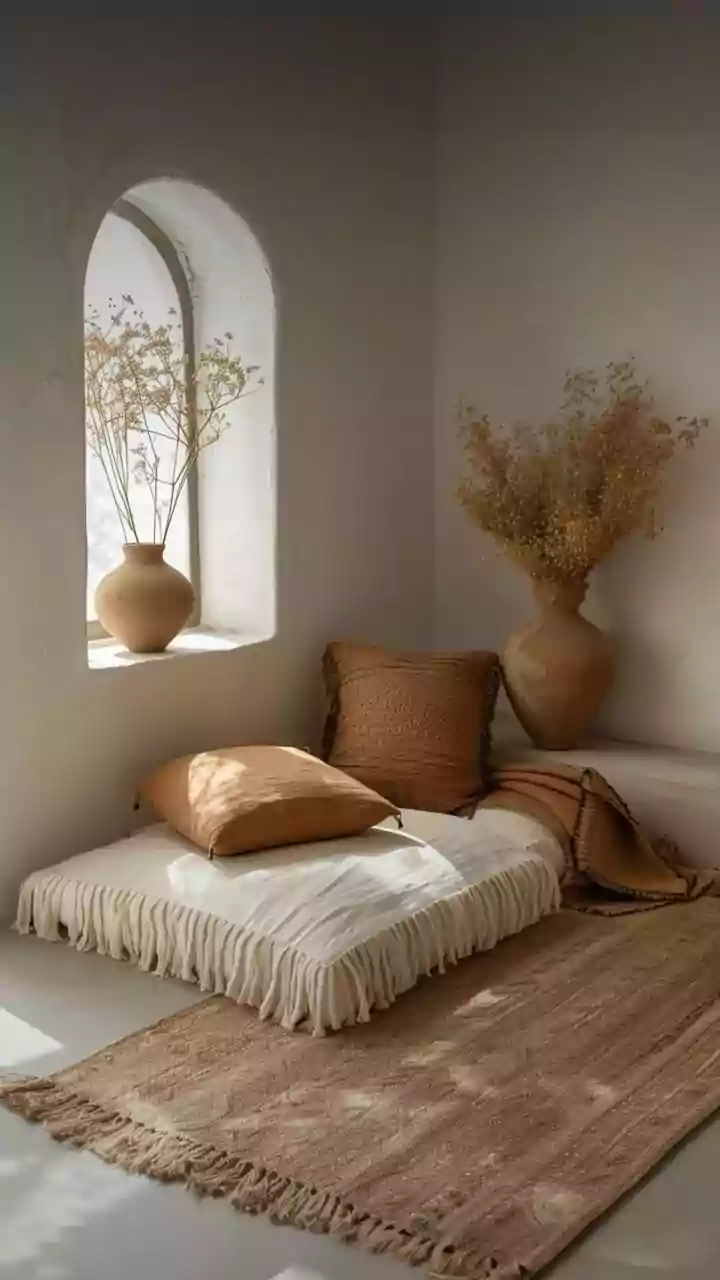
Adopting this trend doesn’t require a complete and costly overhaul. If your home is currently a shrine to grey, you can introduce warmth gradually. Start small with textiles. Swap out grey cushions and throws for ones in shades of rust, camel, or terracotta. A large jute or wool rug in a warm, earthy tone can instantly anchor a room and change its entire mood. Introduce natural wood elements, whether it’s a new coffee table, a set of picture frames, or decorative bowls. Even small touches like amber-coloured glassware or brass decor can cut through the coolness of grey. If you are ready for a bigger change, consider an accent wall. A single wall painted in a warm, deep brown can create a dramatic, cozy focal point without overwhelming the space.
Making Browns Work in Indian Homes
Earthy tones have a long and storied history in Indian aesthetics, making this global trend feel like a natural homecoming. Warm browns, ochres, and terracottas resonate beautifully with traditional Indian craftsmanship. Think of how stunning a rich brown wall looks behind a piece of Warli art or next to intricately carved wooden furniture. These colours provide the perfect backdrop for brass and copper accents, like lamps and urlis, making them glow. They also complement the lush green of indoor plants that thrive in our climate, like fiddle-leaf figs and snake plants. Whether you live in a compact city apartment or a spacious villa, these warm neutrals can make your space feel both contemporary and deeply connected to a familiar, comforting heritage.