


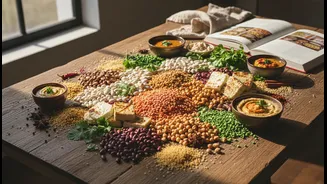


What is Horse Gram?
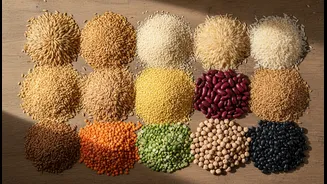
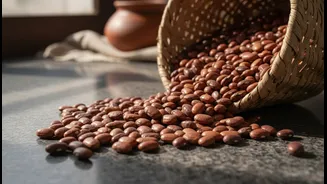
Known as 'kollu' in Tamil, 'ulavalu' in Telugu, and 'kulthi' in Hindi, horse gram is a small, hardy legume that has been a staple in rural Indian diets for centuries. Its English name comes from its traditional use as a high-protein feed for horses and cattle.
Despite its low profile in modern urban kitchens, this pulse has a rich history, with archaeological evidence tracing its cultivation in India back to 2500 BC. Traditionally associated with hearty, warming winter meals, it has an earthy flavour and a texture that holds its shape even after prolonged cooking, making it distinct from other lentils that turn to mush. For generations, it has been valued not just for sustenance but also in Ayurvedic traditions for its medicinal properties.
The Millennial and Gen Z Rediscovery
So why is this ancient pulse suddenly gaining traction with a younger audience? The trend is part of a broader movement towards embracing heirloom ingredients and traditional Indian foodways. As young people become more health-conscious and environmentally aware, they are looking past imported fads and into their own culinary heritage for answers. Horse gram fits this new paradigm perfectly. It's a sustainable crop that can be grown in dry, arid lands with minimal water, making it an eco-friendly choice. Moreover, the digital age has played a significant role; food bloggers, chefs, and nutrition influencers are highlighting the benefits of local superfoods, and horse gram is a standout example. This renewed interest is about connecting with roots, celebrating provenance, and finding nutritional wisdom in the foods our grandparents ate.
From Traditional Rasam to Modern Salads
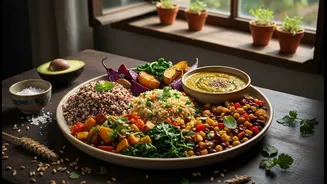
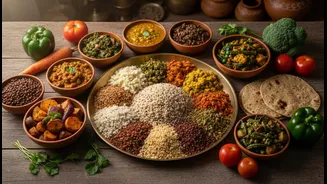
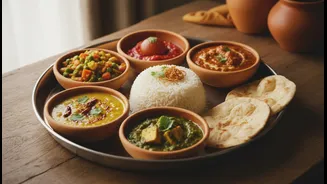
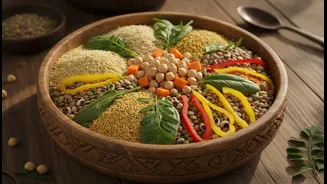
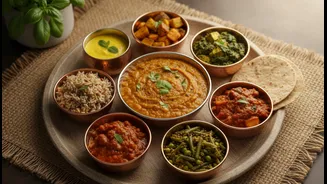
While traditional preparations like kollu rasam (a thin, peppery soup), sundal (a stir-fried snack), and simple dals remain popular, young cooks are experimenting with horse gram in innovative ways. Its robust, nutty taste makes it a versatile ingredient. Today, you might find sprouted horse gram tossed into vibrant salads, ground into flour for protein-rich parathas and dosas, or even blended into a rustic, earthy hummus. Some creative chefs are incorporating it into tikkis, herbed loaves, and even Mexican-style chili. By soaking and sprouting the beans, cooks can make them easier to digest and unlock even more nutrients, turning them into a crunchy, flavourful addition to a variety of dishes.
A Nutritional Powerhouse
The renewed popularity of horse gram is heavily driven by its impressive nutritional profile. It is celebrated for being one of the most protein-rich lentils on the planet. It's also packed with dietary fibre, which aids in digestion and promotes a feeling of fullness, making it a favourite among those focused on weight management. The legume is a fantastic source of essential minerals like iron, calcium, and phosphorus, which are vital for bone health and energy production. With a low glycemic index, it helps in the slow release of sugar into the bloodstream, making it a suitable choice for diabetics. Its abundance of antioxidants, such as polyphenols and flavonoids, helps the body fight oxidative stress and inflammation.
How to Get Started in Your Kitchen
Cooking with horse gram is straightforward, but it does require a bit of planning. The first and most crucial step is soaking. Due to its hard texture, the pulse must be soaked overnight for at least 8 to 12 hours. This not only significantly reduces cooking time but also makes the nutrients more easily absorbable by the body. After soaking, the beans can be pressure-cooked until tender, which usually takes about 30 minutes or 4-6 whistles. The cooked beans can then be used in a variety of recipes. You can use the cooking liquid to make a flavourful rasam or soup, while the beans themselves can be mashed for a dal or used whole in salads and stir-fries. For a quick nutritional boost, you can even find horse gram flour, which can be mixed into regular atta for rotis or added to dosa and idli batter.