






Understanding the 'Hidden Hunger' Crisis
Hidden hunger, or micronutrient deficiency, is a form of malnutrition that often goes unnoticed because its victims may not appear underweight. It refers to a diet lacking in essential vitamins and minerals like iron, zinc, vitamin A, and folate. In India,
the problem is staggering. Over 80% of the population is estimated to suffer from one or more micronutrient deficiencies, with women and children being disproportionately affected. This silent crisis has severe consequences, contributing to anaemia, impaired cognitive development in children, weakened immune systems, and increased risk of chronic diseases. Unlike starvation, which is an acute lack of food, hidden hunger is a chronic condition that undermines the health and productivity of the nation from within.
The Link Between Farming and Nutrition
A significant contributor to hidden hunger is the narrowing of India's food basket. The Green Revolution, while successful in ensuring calorie sufficiency by boosting the production of staple grains like rice and wheat, had an unintended consequence. It led to monoculture farming practices where vast tracts of land are dedicated to these two crops. This focus displaced many traditional, nutrient-dense foods like millets, pulses, and diverse local vegetables from both farms and plates. As a result, many diets became rich in calories but poor in essential micronutrients, creating a direct link between what is grown on farms and the nutritional deficiencies seen across the population.
The Solution: Nutrition-Sensitive Farming
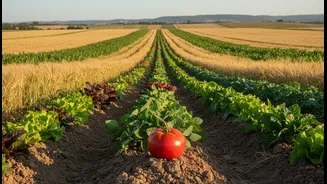
The answer lies in shifting our agricultural focus from simply producing more food to producing more nutritious food. This is the core principle of nutrition-sensitive agriculture. It's a holistic approach that integrates nutritional goals into farming practices and policies. This means moving beyond just yields and calories to intentionally cultivating a wider variety of crops that provide a broader spectrum of nutrients. It involves promoting crop diversification, encouraging the cultivation of nutrient-rich traditional crops, and ensuring that these healthy foods are available, accessible, and affordable for all communities.
Crop Diversity in Action
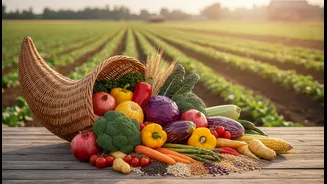
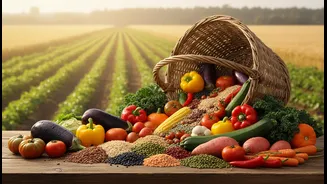
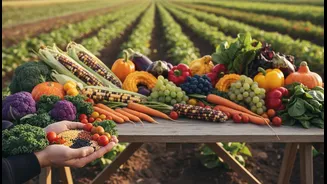
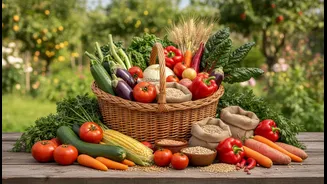
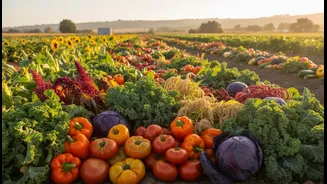
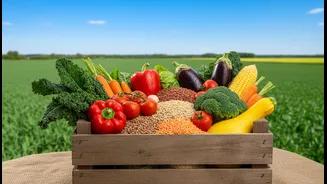
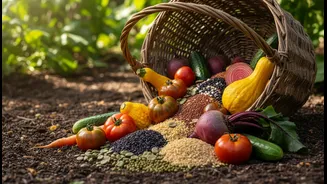
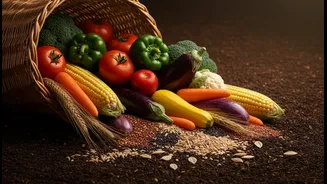
Putting nutrition-sensitive farming into practice starts with crop diversity. Reintroducing traditional grains like millets (bajra, ragi, jowar) is a crucial first step. Millets are not only climate-resilient, requiring less water than rice and wheat, but are also nutritional powerhouses, rich in iron, calcium, and fibre. Similarly, increasing the cultivation of various pulses (dals), leafy greens, and local fruits and vegetables can dramatically improve the micronutrient content of an average diet. Initiatives that encourage homestead gardens, where families can grow their own diverse range of produce, have shown great success in improving household nutrition and dietary diversity. This approach doesn't just improve health; it also enhances soil quality and makes the agricultural system more resilient to climate change.
Challenges and the Path Forward
The transition to a more diverse and nutrition-sensitive agricultural system faces hurdles. Farmers often hesitate to move away from rice and wheat due to guaranteed procurement through the Minimum Support Price (MSP) system, market uncertainties for other crops, and a lack of infrastructure like cold storage for perishable goods. Overcoming these challenges requires a concerted effort. This includes creating better market linkages for diverse crops, providing farmers with quality seeds and knowledge about alternative farming practices, and developing policies that incentivize the cultivation of nutrient-rich foods. Consumer awareness also plays a vital role; as demand for diverse, healthy foods grows, it will encourage farmers to produce them.