





Understanding the Midnight Munchies
Late-night snacking isn’t a sign of weakness; it’s often a physiological response. If you don't eat enough during the day, your body will try to catch up on calories in the evening. An imbalance of protein, fiber, or healthy fats in your meals can also
leave you feeling unsatisfied, triggering cravings long after dinner. Hormones play a role, too. Lack of sleep can disrupt hormones related to hunger and appetite, making you crave high-calorie foods. Sometimes, the cause is simpler: habit, boredom, or stress. The evening is when decision fatigue peaks, and food can feel like a comfort or reward. Recognizing your personal triggers—whether it's true hunger or an emotional cue—is the first step toward making a change.
The Power of Planning Ahead
The single most effective way to avoid a chaotic snack attack is to plan for it. If you know you regularly get hungry before bed, incorporate a small, healthy snack into your evening routine. This isn't about restriction; it's about making a deliberate choice instead of an impulsive one. One strategy is to eat regular, balanced meals throughout the day to prevent intense nighttime hunger from setting in. But for those times when hunger still strikes, having pre-portioned, healthy options on hand makes all the difference. Put a serving of your chosen snack in a bowl instead of eating straight from the container. This simple act encourages mindfulness and helps you avoid mindlessly overeating while distracted by screens.
Smart Snacks to Support Sleep
The right snack can do more than just satisfy hunger—it can actually help you sleep better. Many foods contain nutrients that support the production of melatonin and serotonin, the body's natural sleep regulators. A combination of protein and complex carbohydrates is often recommended, as it helps stabilize blood sugar and can make the sleep-promoting amino acid tryptophan more available to the brain. Foods rich in magnesium, like almonds, spinach, and bananas, also help calm the nervous system and relax muscles. Tart cherries are one of the few natural food sources of melatonin itself. If you're going to snack, choosing foods with these properties is a smart way to make your late-night bite work for you.
Your Go-To Healthy Midnight Snack List
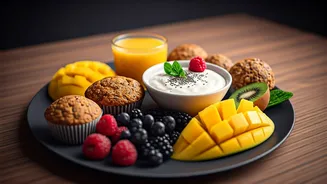
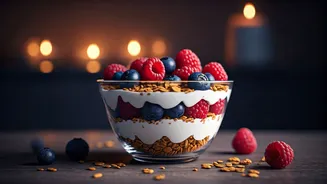
Instead of reaching for chips or cookies, try one of these balanced, sleep-friendly options. For something creamy and satisfying, a small bowl of Greek yogurt with berries or a banana with a spoonful of almond butter are excellent choices. The yogurt provides protein and calcium, while the banana offers muscle-relaxing potassium and magnesium. If you crave something savory, try a handful of nuts like pistachios or walnuts, which contain melatonin. Whole-grain crackers with a slice of cheese or a bit of hummus can also be a great combination of carbs and protein. Even a hard-boiled egg or a small bowl of oatmeal can provide the nutrients to satisfy hunger and prepare your body for rest.
Mindfulness Is the Final Ingredient
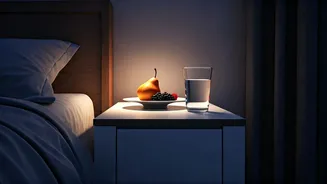
Often, how you eat is just as important as what you eat. Before you reach for a snack, take a moment to ask yourself if you're truly hungry. Sometimes thirst can be mistaken for hunger, so try drinking a glass of water first. If you decide you are hungry, eat your snack away from distractions like the TV or your phone. This practice, known as mindful eating, helps your brain register that you've eaten, leading to greater satisfaction from a smaller portion. Creating a relaxing wind-down routine that doesn't revolve around food—like drinking a cup of herbal tea, reading a book, or doing light stretches—can also help break the habit of stress- or boredom-induced snacking.