
It’s a heartbreaking moment for any plant parent: a beloved houseplant suddenly looks sad, wilted, and yellow. You’ve given it water and light, but the problem might be hidden underground, in soil that’s doing more harm than good.
The Hidden Problem with Dense Soil
When you bring a new
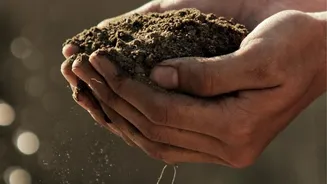
plant home, it’s tempting to use soil straight from your garden or a standard, dense potting mix. But in the confined space of a pot, this soil often becomes compacted. It holds onto too much water for too long, leaving no room for air. Plant roots need oxygen to function, and when they sit in soggy, airless soil, they begin to suffocate and decay. This condition, known as root rot, prevents the plant from absorbing water and nutrients, leading to yellowing leaves, wilting, and a musty smell from the pot. Even if you're careful not to overwater, a dense soil mix can create the perfect environment for this common and deadly problem.
The Airy Solution: Gritty Mixes
The secret to happy roots is a well-draining, gritty soil mix. This isn't just one product, but a type of growing medium you can buy or create yourself. It combines organic material (like compost or coco coir) with a significant portion of inorganic, gritty components. These gritty elements create a light, porous structure with plenty of air pockets. When you water the plant, the excess flows through quickly, while the particles hold just enough moisture for the roots to absorb. This balance of moisture and aeration is what most houseplants, and especially desert plants like succulents and cacti, need to thrive.
The Building Blocks of a Great Mix
Creating your own gritty mix is simple once you know the key ingredients. These inorganic materials are all designed to improve drainage and aeration. The most common are: Pumice, a porous volcanic rock that adds structure, holds a little moisture internally, and is heavy enough to stay mixed in the soil.; Perlite, the lightweight white granules you often see in commercial potting mixes. It's excellent for creating air pockets but can sometimes float to the top when watered.; Coarse Sand, specifically horticultural or builder's sand. Avoid fine play sand, which can clog the pores in your soil and make drainage worse.; Lava Rock (Scoria), which adds weight and stability, perfect for top-heavy plants, while providing excellent drainage.
Your First Custom Soil Recipe
There's no single perfect recipe, as different plants have different needs, but a great starting point for many common houseplants is a simple 1:1:1 ratio. Using the same scoop for each component, combine one part standard potting mix, one part perlite or pumice, and one part coarse sand or fine orchid bark. For desert plants like cacti and succulents that demand even faster drainage, you can increase the mineral components to a 2:1 ratio of grit to organic matter. For tropicals like ferns that prefer more moisture, you would use less grit. The goal is to create a final product that feels light and crumbly, not dense and heavy.
Plants That Crave Good Drainage
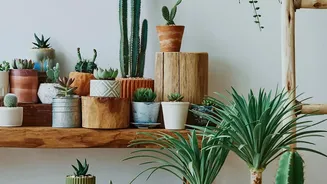
While most potted plants benefit from better aeration, some species are particularly sensitive to wet conditions and will thank you for a grittier mix. Succulents and Cacti are the most obvious candidates; their root systems are adapted for arid environments and will quickly rot in damp soil. Snake Plants, ZZ Plants, and Hoyas also prefer their soil to dry out between waterings and thrive in a chunky, well-draining medium. Even common foliage plants like Philodendrons and Pothos appreciate the improved airflow that a grittier mix provides, making them more resilient to accidental overwatering.